

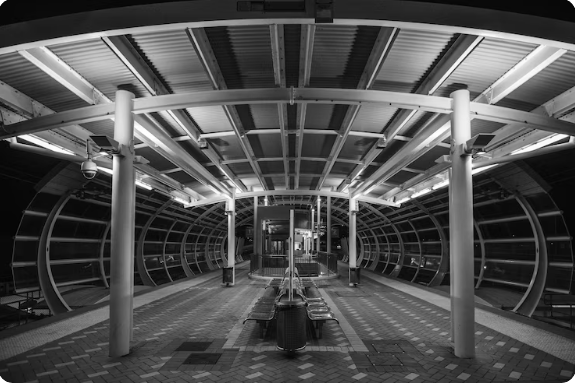
In a world where space is precious and durability matters more than ever, the metal garage has quietly evolved from a simple vehicle shelter into a multifunctional architectural solution. No longer just a utilitarian box of steel, today’s metal garage can be a workshop, a storage hub, a creative studio, or even a statement of modern design. Its rise in popularity is not accidental—it is the result of changing lifestyles, economic practicality, and advances in construction technology.
This article explores the metal garage in depth: its origins, benefits, design possibilities, construction process, and why it continues to outperform traditional garage structures in both urban and rural settings.
A Brief Evolution of the Metal Garage
Metal garages first gained popularity during the industrial boom of the 20th century. Early versions were purely functional—corrugated steel walls, basic frames, and minimal insulation. They were built quickly and cheaply, mainly for factories, farms, and vehicle depots.
Over time, manufacturers refined materials and construction methods. Galvanized steel improved corrosion resistance, engineered frames increased load-bearing capacity, and modular designs made customization easier. What was once an industrial afterthought gradually transformed into a versatile building solution suitable for homeowners, small businesses, and large commercial operations alike.
Today’s metal garages can rival traditional structures in aesthetics while exceeding them in performance.
Why Metal Garages Stand Out
1. Exceptional Durability
Steel is one of the strongest construction materials available. A properly built metal garage can withstand:
- Heavy snow loads
- Strong winds and storms
- Fire exposure
- Pest infestations (termites are not a concern)
Unlike wood, metal does not rot, warp, or crack over time. With proper coating and maintenance, a metal garage can last decades with minimal structural degradation.
2. Cost-Effective Construction
One of the most attractive aspects of a metal garage is its cost efficiency. Compared to brick or wood construction, metal garages typically offer:
- Lower material costs
- Faster installation
- Reduced labor expenses
- Minimal long-term maintenance
For homeowners and businesses alike, this translates into significant savings without compromising quality or safety.
3. Speed of Installation
Metal garages are often prefabricated or modular. Components are manufactured off-site and assembled quickly on location. What might take months with traditional construction can often be completed in days or weeks.
This speed is especially valuable when:
- You need immediate storage or workspace
- Weather conditions limit long construction timelines
- Business operations depend on fast expansion
Design Flexibility: More Than Just a Box
A common misconception is that metal garages all look the same. In reality, modern metal garages offer remarkable design flexibility.
Custom Sizes and Layouts
Metal garages can be built in virtually any size, from compact single-car units to expansive multi-bay structures. Ceiling heights can be adjusted for:
- Vehicle lifts
- RV or boat storage
- Industrial equipment
Interior layouts are equally adaptable, allowing for partitions, mezzanines, and dedicated work zones.
Exterior Aesthetics
Advances in coatings and panel designs mean metal garages no longer need to look industrial. Options include:
- Multiple color finishes
- Faux wood or stone textures
- Decorative trims and roof styles
With the right design choices, a metal garage can blend seamlessly with residential architecture or stand out as a bold modern feature.
Interior Comfort
Insulation, ventilation, and lighting transform a metal garage from cold storage into a comfortable year-round space. Many owners convert metal garages into:
- Workshops
- Home gyms
- Art studios
- Small business operations
Practical Uses of a Metal GarageVehicle Protection
At its core, a metal garage excels at protecting vehicles from weather, UV exposure, theft, and debris. Cars, motorcycles, boats, and recreational vehicles benefit from a controlled environment that reduces long-term wear.
Workshop and Hobby Space
Metal garages are ideal workshops. The open-span design allows for large equipment, while steel walls easily support shelving, tool racks, and electrical installations.
Storage Solution
From household items to agricultural equipment, metal garages provide secure, organized storage. Their clear-span interiors maximize usable space without intrusive support columns.
Business and Commercial Use
Small businesses often use metal garages as:
- Warehouses
- Repair shops
- Distribution hubs
- Equipment shelters
Their scalability makes them perfect for growing operations.
Sustainability and Environmental Impact
Metal garages are increasingly recognized as an environmentally responsible choice.
Recyclable Materials
Steel is one of the most recycled materials in the world. At the end of its life cycle, a metal garage can be dismantled and reused or recycled with minimal waste.
Energy Efficiency
When properly insulated, metal garages can be highly energy-efficient. Reflective roofing and insulated panels help regulate interior temperatures, reducing heating and cooling costs.
Reduced Resource Consumption
Prefabrication minimizes construction waste, while the long lifespan of metal reduces the need for frequent rebuilding or repairs.
Construction Process: What to ExpectSite Preparation
The foundation is critical. Common options include:
- Concrete slab
- Gravel base
- Pier foundations
The choice depends on local regulations, soil conditions, and intended use.
Frame Assembly
Steel frames are erected first, providing the structural skeleton. These frames are engineered to handle specific load requirements based on climate and usage.
Panel Installation
Wall and roof panels are attached next, followed by doors, windows, and ventilation systems.
Finishing Touches
Insulation, electrical wiring, interior walls, and custom features complete the build.
The entire process is streamlined and predictable, reducing unexpected delays.
Maintenance: Minimal but Important
While metal garages require far less maintenance than wood structures, some basic care ensures longevity:
- Periodic inspection for scratches or coating damage
- Cleaning debris from roofs and gutters
- Checking fasteners and seals
These simple steps can extend the life of a metal garage by many years.
Common Myths About Metal Garages
“They are noisy.”
With modern insulation and panel design, noise is rarely an issue.
“They look industrial.”
Contemporary designs offer a wide range of attractive finishes.
“They rust easily.”
Galvanized and coated steel resists corrosion extremely well.
“They are only for vehicles.”
Metal garages are among the most versatile structures available.
The Future of Metal Garages
As construction trends move toward efficiency, sustainability, and adaptability, metal garages are positioned for continued growth. Innovations such as smart ventilation, solar-ready roofing, and advanced coatings are pushing these structures even further into the mainstream.
Urban homeowners value their compact efficiency. Rural landowners appreciate their strength and scale. Businesses rely on their flexibility. Across all sectors, the metal garage has proven itself as more than just a building—it is a smart investment.
Conclusion
The metal garage represents a perfect balance of strength, affordability, and adaptability. What began as a simple shelter has evolved into a highly customizable, long-lasting structure capable of meeting diverse needs. Whether you need a secure place for vehicles, a productive workspace, or a scalable storage solution, a metal garage offers unmatched value.
In a rapidly changing world where durability and efficiency matter, the metal garage stands firm—quietly redefining what modern construction can achieve.