

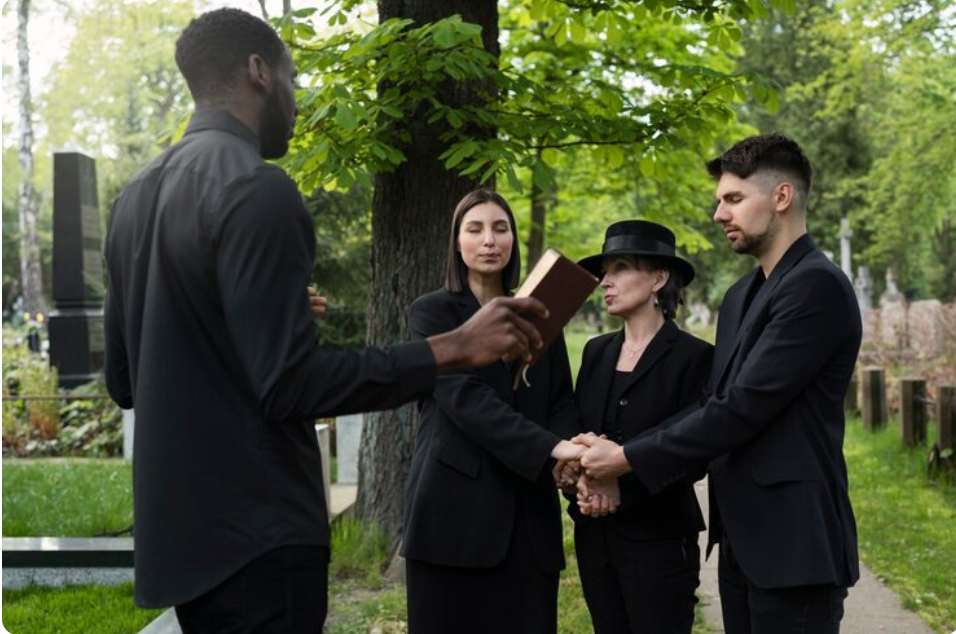
The funeral director’s office smells of air freshener and something else—obligation, perhaps. You’ve just lost someone. Your head is foggy. And now someone in a dark suit is presenting you with a leather folder containing options that start at £3,800 and climb rapidly from there.
Most families nod. Sign. Pay.
A few ask questions.
The average funeral in the UK now costs £4,141 according to SunLife’s latest Cost of Dying report. That figure doesn’t include the wake, the flowers your aunt insists on, or the headstone you’ll agonise over six months later. Factor those in and you’re pushing £9,000. For a single day.
There’s an alternative that funeral directors mention last, if at all—direct cremation. No hearse procession. No church service with the deceased present. No viewing. The person who died is cremated without ceremony, and the ashes returned to the family. Cost: typically between £995 and £1,695.
The price gap is staggering. But the real question isn’t about money—it’s about what you’re actually buying.
What You’re Paying For (And What You’re Not)
Traditional funerals follow a script written in the Victorian era. The body is embalmed—a process that costs around £150 and serves no practical purpose in the UK’s cool climate. It’s stored in a chapel of rest at £50 per day. There’s a coffin viewing, because somehow we decided that seeing our dead makes grief more legitimate.
Then comes the funeral itself. The hearse—£300. Following cars—£200 each. Funeral director fees for “arranging and conducting”—anywhere from £2,000 to £3,500 depending on how much mahogany and brass you can stomach. The crematorium slot—£800 to £1,000. Officiant fees. Order of service printing.
You’re purchasing theatre. Elaborate, expensive theatre.
Direct cremation strips all that away. The person who died is collected, cared for with complete dignity, and cremated during a quiet slot at the crematorium—usually early morning. No one attends the cremation itself. The ashes come back to you in a simple container within a fortnight.
What you do next is entirely up to you.
Some families scatter ashes on a beach their dad loved. Others hold a memorial gathering in a pub, a garden, a village hall—places that actually meant something, rather than the sterile formality of a crematorium chapel booked in 30-minute slots. The money saved goes towards something the deceased actually cared about. Or it stays in the bank account of a widow who now faces years alone on a pension.
The funeral industry calls this “unattended cremation” which sounds clinical and cold. But there’s nothing undignified about it. The same qualified professionals handle the deceased. The same regulations apply. The cremation happens in the same facilities. You’ve simply cut out the performance.
The Psychology of Funeral Spending
Funeral directors aren’t villains. Most entered the profession for decent reasons. But they operate in a unique marketplace where the customer is grieving, time-pressured, and riddled with guilt about doing the “right thing.”
Research from the Competition and Markets Authority found that 46% of people arranging funerals didn’t compare prices. In what other industry would half the customers not shop around on a purchase costing thousands? The funeral sector knows this. Their entire business model depends on it.
There’s a phrase they use—“a fitting send-off.” It’s genius, really. What counts as fitting? Who decides? The implication is clear: spend less and you loved them less. It’s emotional blackmail dressed up as concern.
Direct cremation punctures that logic. It separates the practical necessity of disposal from the emotional need to mark a death. One costs money. The other costs whatever you choose.
A 2023 study by Royal London found that one in five UK funerals is now a direct cremation—up from virtually zero a decade ago. That’s not because Britons suddenly care less about their dead. It’s because they’ve realised that grief doesn’t require granite.
The shift is generational too. Boomers still lean towards traditional funerals, though even they’re wavering as costs spiral. Gen X and millennials are rejecting the whole performance. They’ve watched their parents spend £8,000 on a funeral, then return to an empty house to face the real work of grief alone.
Breaking Down the Real Costs
Let’s put actual numbers to this. Here’s what a traditional cremation funeral costs in 2024:
- Funeral director professional fees: £2,195
- Removal of deceased and care: £395
- Coffin (mid-range): £695
- Hearse: £325
- Limousine: £245
- Crematorium fees: £875
- Officiant: £210
- Order of service (100 copies): £150
Total: £5,090
That’s before flowers (£150-£300), venue hire for the wake (£200-£500), catering (£15-£25 per head), death notices in newspapers (£300+), and a memorial stone (£800-£3,000).
Now here’s direct cremation from NewRest Funerals:
- Collection of deceased (any time, any location in service area): included
- Care and storage: included
- Simple coffin suitable for cremation: included
- Cremation fees: included
- Doctor’s certificates: included
- Return of ashes in scatter tube: included
Total: £1,295
The difference—£3,795—pays for six months of someone’s rent. A year of someone’s energy bills. A holiday the family can take together to actually process their grief somewhere that isn’t a crematorium car park.
What Happens to Tradition and Ritual?
The common objection: “But what about closure? What about saying goodbye?”
Fair question. Rituals matter. Humans have marked death with ceremony for thousands of years. But there’s no cosmic law stating that ceremony must happen with the body present or cost four months’ pension.
Direct cremation doesn’t erase ritual—it postpones and personalises it. Families hold memorial services weeks or months later, once the initial shock has passed and they can actually think clearly. These gatherings often feel more genuine than traditional funerals. People share stories. Laugh. Cry. Play the music the deceased actually liked, not the greatest hits of funeralcore: “Time to Say Goodbye” and “Wind Beneath My Wings.”
Some scatter ashes in instalments—a bit at the football ground, a bit in the garden, a bit at the holiday cottage in Wales. The memorial becomes distributed, woven into places and moments rather than concentrated into one expensive, exhausting day where you’re too numb to remember who attended.
Religious families worry that direct cremation contradicts their faith. It doesn’t. Most religions care about how you treat the dead (with respect) and how you mourn (with community). Neither requires a £5,000 funeral. Catholic, Protestant, Jewish, Muslim, Hindu—all have members choosing direct cremation and holding separate religious services.
The Church of England explicitly states that memorial services without the body present are entirely appropriate. The deceased doesn’t need to be there for God to hear your prayers or for your community to support you.
The Pre-Planning Advantage
Here’s where direct cremation becomes genuinely radical—when you arrange it for yourself, in advance, while you’re still alive.
About 40% of direct cremations are now pre-paid plans. You’re not dead yet, so there’s no grief fog. No time pressure. No guilt. You can compare providers, ask awkward questions about exactly what’s included, and lock in today’s prices.
More importantly, you’ve lifted a burden from whoever survives you. They’ll be dealing with enough—probate, pensions, telling people, clearing your flat, finding your cat a new home. The last thing they need is a funeral director presenting them with fifteen coffin options while they’re still in shock.
Pre-planning direct cremation is the opposite of morbid. It’s practical. You’re stating clearly: when I’m gone, don’t waste money on mahogany and motorcades. Cremate me simply. Spend the money on something that helps the living.
Some providers let you leave instructions—scatter my ashes at X, play Y music at the memorial, donate to Z charity instead of flowers. You’re curating your own farewell without the emotional manipulation.
The peace of mind is real. You know your family won’t be exploited. They know what you wanted. Everyone can focus on grief instead of logistics and guilt.
Frequently Asked Questions
Is direct cremation legal and regulated in the UK?
Completely legal and subject to the same regulations as traditional funerals. All cremations require two doctors’ certificates and the coroner’s approval. The cremation must happen at a licensed crematorium. The only difference is that no one attends the cremation itself.
Can I still have a funeral service with direct cremation?
Absolutely. You can hold a memorial service whenever and wherever you like after receiving the ashes—in a church, community hall, garden, anywhere meaningful. Many families find this more personal than a traditional funeral.
Will I definitely get my loved one’s ashes back?
Yes. Crematoriums follow strict identification procedures. Your loved one’s nameplate stays with them throughout, and ashes are carefully collected and labelled. You receive them in a simple container, typically within 7-14 days.
Is direct cremation disrespectful?
Respect is about care and dignity, not expense. The deceased receives exactly the same professional care as in a traditional funeral. What differs is the absence of ceremony before cremation—which has no bearing on how much you loved them.
What if some family members want a traditional funeral?
This is tricky but common. The person legally responsible for arranging the funeral makes the final call—usually the next of kin or executor. It’s worth having these conversations before someone dies, uncomfortable as that feels. Pre-planning your own direct cremation removes the debate entirely.
How quickly does direct cremation happen?
Usually within 7-14 days, depending on how long the medical certificates take. This is similar to traditional funerals. There’s no unseemly rush—just efficiency without the expensive staging.
Can I visit the crematorium or see my loved one before cremation?
Most direct cremation providers don’t include this as standard, which keeps costs down. However, some offer viewing as an optional extra if it’s important to you. Ask your provider what’s possible—but remember that adding traditional elements gradually removes the cost advantage.
The funeral industry is built on a simple truth: people don’t shop around when they’re grieving. Direct cremation works because it rejects that model entirely. It separates the practical reality of death from the emotional process of mourning. One costs whatever you choose to pay. The other costs whatever you choose to make it mean.
Your mum doesn’t need a £900 coffin. She’s dead. You need time, space, and support to grieve. Direct cremation gives you all three—and leaves several thousand pounds to help with the actual challenges of life after loss.
The mahogany can wait. Or better yet, skip it entirely.