

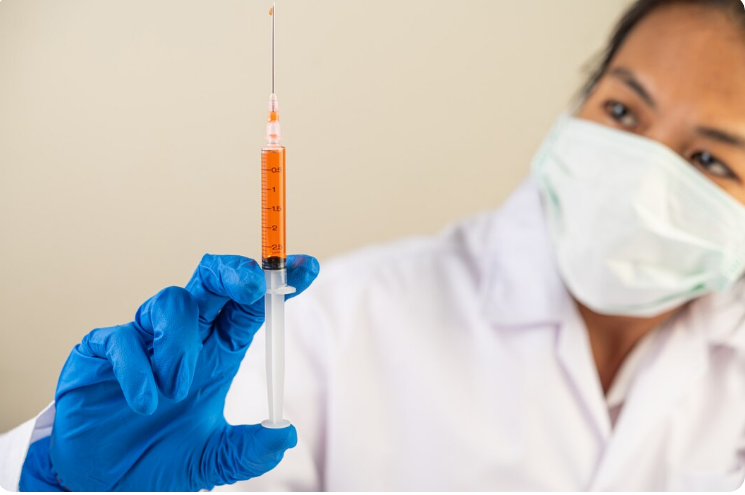
The human body is a masterpiece of perpetual regeneration. Every second, millions of blood cells die and are replaced by new ones produced within the spongy tissue of the bones known as the bone marrow. This relentless production line is driven by hematopoietic stem cells. However, in rare and critical instances, this factory shuts down. The marrow becomes hypocellular, effectively empty, and the production of life-sustaining blood cells ceases. This condition is known as Aplastic Anemia. Far more severe than the common nutritional anemias, it is a life-threatening bone marrow failure syndrome. For patients facing this diagnosis, the definitive path to survival often lies in the advanced capabilities of regenerative medicine, specificallyStem Cell Aplastic anemia treatments.
The Physiology of the Empty Marrow
To understand the gravity of aplastic anemia, one must distinguish it from other blood disorders. In leukemia, the marrow is overcrowded with cancer cells. In aplastic anemia, the marrow is a ghost town, replaced largely by fat cells. This cellular void results in pancytopenia—a dangerous deficiency in all three major blood cell types:
- Red Blood Cells: Responsible for carrying oxygen. Their absence leads to profound fatigue, pallor, and tachycardia.
- White Blood Cells (Neutrophils): The soldiers of the immune system. Without them, even a minor bacterial infection can become fatal.
- Platelets: The clotting agents. A deficiency here results in spontaneous bruising, bleeding gums, and uncontrolled hemorrhage.
The underlying cause is predominantly autoimmune. In most acquired cases, the patient’s own immune system—specifically cytotoxic T-lymphocytes—misidentifies the hematopoietic stem cells as foreign threats and destroys them. While immunosuppressive drug therapy can sometimes dampen this attack, it does not always repair the fundamental deficit in stem cell numbers.
The Transplant Imperative
For severe (SAA) and very severe aplastic anemia (vSAA), hematopoietic stem cell transplantation (HSCT) is the only curative option that restores normal blood formation. Unlike immunosuppressive therapy, which manages the disease, transplantation replaces the defective immune system entirely and restocks the marrow with healthy progenitor cells.
The “gold standard” for treatment is an allogeneic transplant from a histocompatible sibling. A brother or sister who is a perfect human leukocyte antigen (HLA) match offers the highest chance of cure with the lowest risk of complications. In young patients with a matched sibling donor, long-term survival rates now exceed 90%. For those without a sibling match, the medical community utilizes Matched Unrelated Donors (MUD) found through international registries, or in some cases, haploidentical (half-matched) family donors.
The Architecture of the Procedure
The transplant process for aplastic anemia differs significantly from that of leukemia. Because there is no malignancy to eradicate, the “conditioning” regimen—the chemotherapy given before the transplant—is designed primarily to suppress the immune system to prevent rejection of the new cells, rather than to kill cancer cells. This often involves a combination of cyclophosphamide and anti-thymocyte globulin (ATG), a serum that clears the patient’s T-cells.
Following this preparation, the healthy stem cells are infused intravenously. These cells possess a biological “homing” instinct, navigating through the bloodstream to find the empty spaces within the bone marrow. Once settled, they begin the process of engraftment, slowly repopulating the blood with healthy cells.
Navigating Clinical Challenges
The journey is not without peril. The period immediately following the transplant is the most critical. Patients enter a phase of neutropenia, where their immune defense is virtually non-existent. Specialized centers likeLiv Hospital are essential during this window. These institutions are equipped with HEPA-filtered isolation units and advanced antimicrobial protocols to protect the patient until the new marrow begins to function.
Two primary risks dominate the post-transplant landscape:
- Graft Failure: Because aplastic anemia patients have often received multiple blood transfusions prior to transplant, they may have developed antibodies against foreign tissues. This “alloimmunization” can cause the body to reject the new stem cells.
- Graft-versus-Host Disease (GVHD): This occurs when the donor’s immune cells attack the patient’s healthy tissues. While less common in aplastic anemia than in leukemia due to different conditioning regimens, it remains a significant concern that requires careful monitoring.
The Evolution of Care
Advancements in supportive care have revolutionized outcomes. The use of peripheral blood stem cells versus bone marrow harvest is carefully weighed; in aplastic anemia, bone marrow is often the preferred source to reduce the risk of chronic GVHD. Furthermore, better molecular typing of donors and more effective antifungal medications have drastically reduced mortality rates.
A Holistic Return to Life
Recovery from a stem cell transplant is a gradual process of rebuilding. The immune system takes months to mature, requiring a disciplined approach to hygiene, diet, and exposure. Patients transition from a state of acute illness to one of chronic recovery, and eventually, to a cure. This phase requires more than just medical oversight; it demands a commitment to physical and emotional resilience. As the body heals, integrating wellness practices becomes paramount. For those seeking guidance on how to nurture their health and embrace a vibrant future after such a significant medical journey, resources likelive and feel offer valuable insights into maintaining balance and vitality in everyday life.