

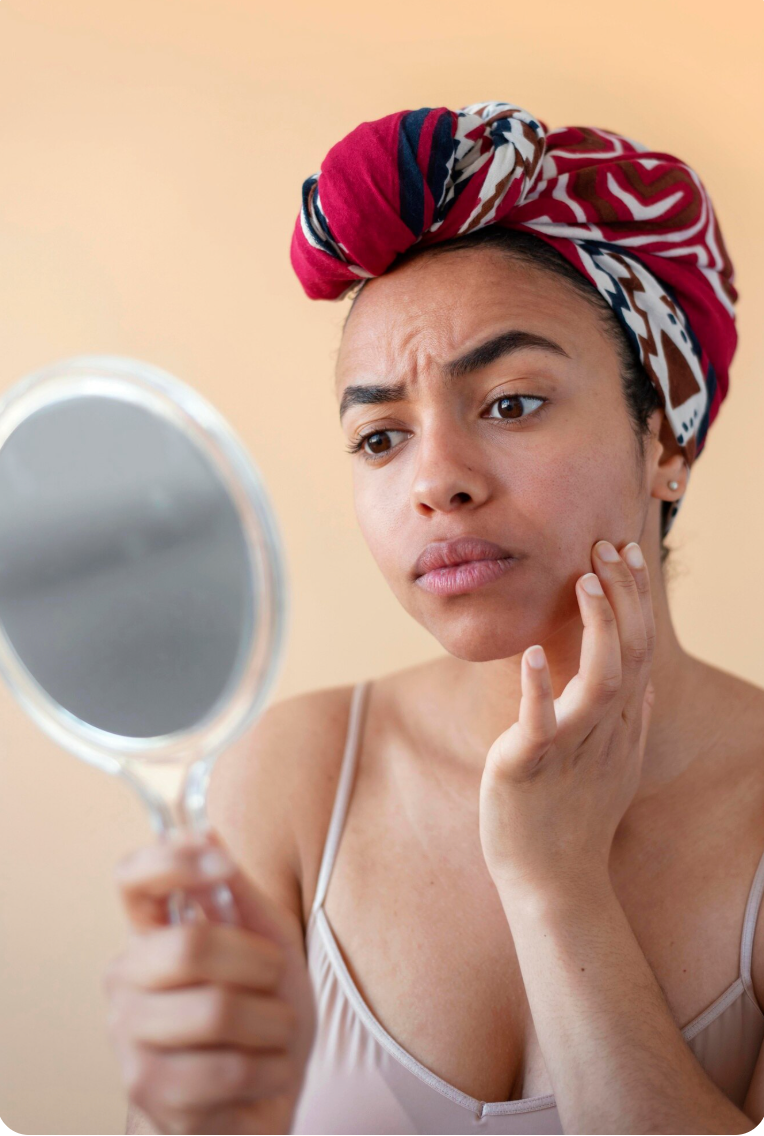
Acne affects millions of people across the UK every year. For many, the spots themselves are only half the problem. Once the skin clears, the marks left behind can last for years, sometimes a lifetime. It is no surprise, then, that interest in acne scar treatment has grown sharply over the past few years, as newer and more accessible options have made it easier for people to actually do something about it.
What Causes Acne Scars?
Acne scars form when the skin is damaged during a breakout. When a spot becomes inflamed, it can injure the tissue beneath the surface. As the skin tries to repair itself, it does not always produce collagen in the right amount. Too little collagen leads to a dip or hollow in the skin, known as an atrophic scar. Too much creates a raised scar, called hypertrophic. The most common types are the pitted, uneven scars that affect the cheeks, forehead, and chin.
The important thing to understand is that acne scars are a medical issue, not just a cosmetic one. They can have a real impact on a person’s confidence and mental wellbeing, particularly in younger people who are still developing their sense of self.
Why Over-the-Counter Products Often Fall Short
Walk down any pharmacy aisle and you will find shelves full of creams, serums, and patches that claim to fade scars. Most of these work on the very surface of the skin and have little effect on deeper tissue damage. They might improve skin tone slightly, but they cannot change the structure of a scar.
This is why many people are turning to clinic-based treatments, which work at a deeper level to actually stimulate the skin’s own repair processes.
What Treatments Are Available?
One of the most well-known options is microneedling. This involves using a small device with fine needles to create tiny, controlled injuries in the skin. The body responds by producing new collagen and elastin, which gradually improves the texture and appearance of the skin over a series of sessions. It can be used on all skin types and has minimal downtime compared to more aggressive procedures.
Chemical peels are another option, working by removing the outer layers of skin to encourage fresh skin to grow in its place. For more stubborn or deeper scars, treatments such as radiofrequency therapy or biostimulators may be recommended, often working alongside microneedling for better results.
The key is that no single treatment works for everyone. The type of scarring, the skin type, and the person’s overall health all play a role in deciding the right approach. This is why the best outcomes tend to come from clinics where a qualified medical professional carries out a proper assessment before recommending anything.
Clinics offering acne scar treatment have reported a clear rise in enquiries, particularly from people in their 20s and 30s who suffered with acne as teenagers and are now looking for a longer-term solution.
Who Should You See?
When choosing where to go for treatment, it is worth looking for a clinic that is led by a doctor or other registered clinician. Acne scarring can vary widely in type and severity, and a medical background means the practitioner is better placed to assess what is actually going on with the skin and recommend something safe and appropriate.
There is a meaningful difference between a beauty salon and a medical clinic when it comes to these kinds of treatments, and patients are increasingly aware of it. Providers offering acne scar treatment within a medically regulated setting give patients an added layer of safety and confidence that the treatment plan is genuinely tailored to them.
A Growing Area of Medicine
What was once seen as a niche concern is now firmly in the mainstream. Advances in regenerative medicine, including the use of exosomes and polynucleotides, are opening up new possibilities for restoring skin health rather than simply masking its imperfections.
For anyone who has lived with acne scars for years, the message is clear: effective, safe, and medically sound options exist. The first step is simply getting the right advice.