

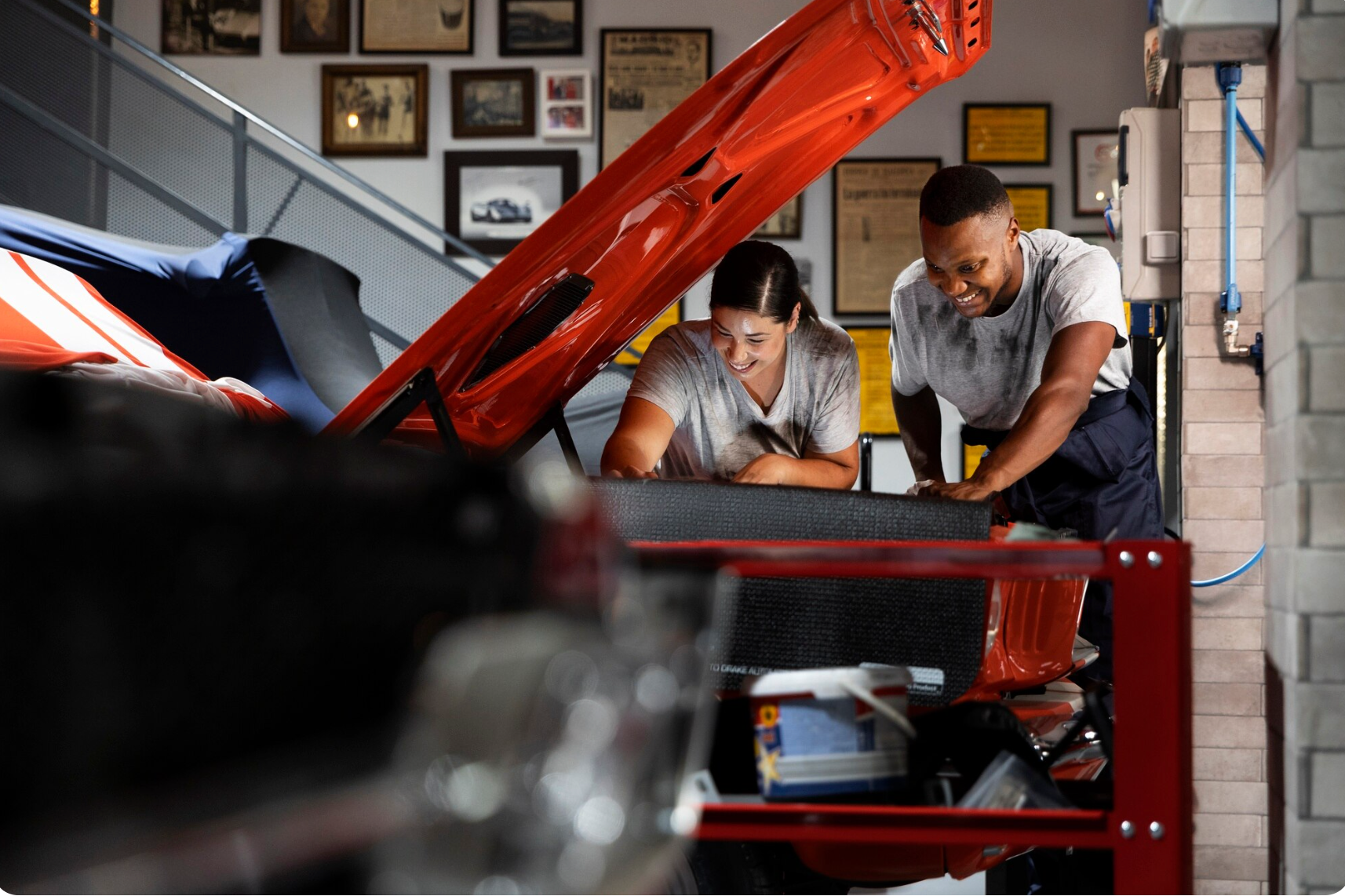
When most people think about car repair garages, they imagine a place you visit only when something goes wrong. A strange noise, a dashboard warning light, or an unexpected breakdown usually triggers the trip. But there’s far more happening behind the scenes of a modern garage than quick fixes and oil changes.
Understanding how garages operate—and what actually goes into diagnosing and repairing a vehicle—can help drivers make better decisions, avoid unnecessary costs, and extend the life of their cars.
The Shift from Mechanical to Digital
Cars today are no longer purely mechanical machines. Over the past two decades, vehicles have evolved into complex systems powered by electronics, sensors, and onboard computers.
Modern garages now rely heavily on diagnostic tools that connect directly to a car’s internal systems. Instead of simply inspecting parts visually, technicians often begin with a digital scan to identify fault codes. These codes provide clues about issues ranging from engine performance to emissions problems.
However, diagnostics is not just about plugging in a machine. Skilled technicians interpret the data, cross-check symptoms, and combine their experience with technology to pinpoint the real issue. This blend of digital tools and human expertise is what defines today’s car repair garages.
Preventive Maintenance: The Work You Don’t See
One of the most overlooked aspects of garages is preventive maintenance. Many drivers only visit when something breaks, but a significant portion of garage work is focused on preventing problems before they occur.
Routine servicing includes:
- Checking fluid levels and quality
- Inspecting brake systems and tyre wear
- Monitoring battery health
- Identifying early signs of engine or transmission issues
These checks might seem minor, but they play a crucial role in avoiding major repairs later. A worn brake pad or low coolant level, if ignored, can lead to much more serious—and expensive—damage.
Common Misconceptions About Repairs
There are several myths surrounding car repairs that often lead to confusion or mistrust.
1. “If the car runs fine, it doesn’t need servicing”
Many issues develop gradually and don’t show immediate symptoms. By the time a problem becomes noticeable, it may already require significant repair.
2. “All garages do the same work”
In reality, garages vary widely in terms of expertise, equipment, and specialization. Some focus on diagnostics, others on specific vehicle types, and some offer a full range of services.
3. “Warning lights always mean something serious”
Not always. While some warning lights indicate urgent issues, others may point to minor faults such as sensor glitches. Proper diagnosis is essential before assuming the worst.
The Role of Experience in Repairs
While technology plays a major role, experience remains just as important. Two vehicles with similar symptoms can have entirely different underlying problems. Experienced technicians often rely on pattern recognition—having seen similar cases before—to narrow down possibilities quickly.
This is particularly important in cases where:
- Fault codes are unclear or misleading
- Multiple issues occur simultaneously
- Intermittent problems are difficult to reproduce
In such situations, experience can save both time and unnecessary part replacements.
Why Transparency Matters
A good garage doesn’t just fix a problem—it explains it. Clear communication helps drivers understand what went wrong, what was repaired, and how to avoid similar issues in the future.
Transparency typically includes:
- Explaining the root cause of the issue
- Showing worn or damaged parts when possible
- Providing a breakdown of labour and parts costs
- Advising on future maintenance
This approach builds trust and helps drivers feel more confident about the work being done on their vehicle.
The Hidden Value of Regular Garage Visits
Regular visits to a garage are not just about compliance or routine—they contribute directly to a vehicle’s longevity, safety, and performance.
Benefits include:
- Improved fuel efficiency
- Reduced risk of breakdowns
- Better resale value
- Safer driving conditions
In many cases, consistent maintenance costs far less over time than dealing with major repairs caused by neglect.
Final Thoughts
Car repair garages are more than places where problems get fixed—they are essential to keeping modern vehicles running safely and efficiently. With the increasing complexity of cars, the role of garages continues to evolve, combining advanced technology with hands-on expertise.
For drivers, understanding what happens behind the scenes can make a significant difference. It shifts the mindset from reactive repairs to proactive care—ultimately saving time, money, and unnecessary stress on the road.