

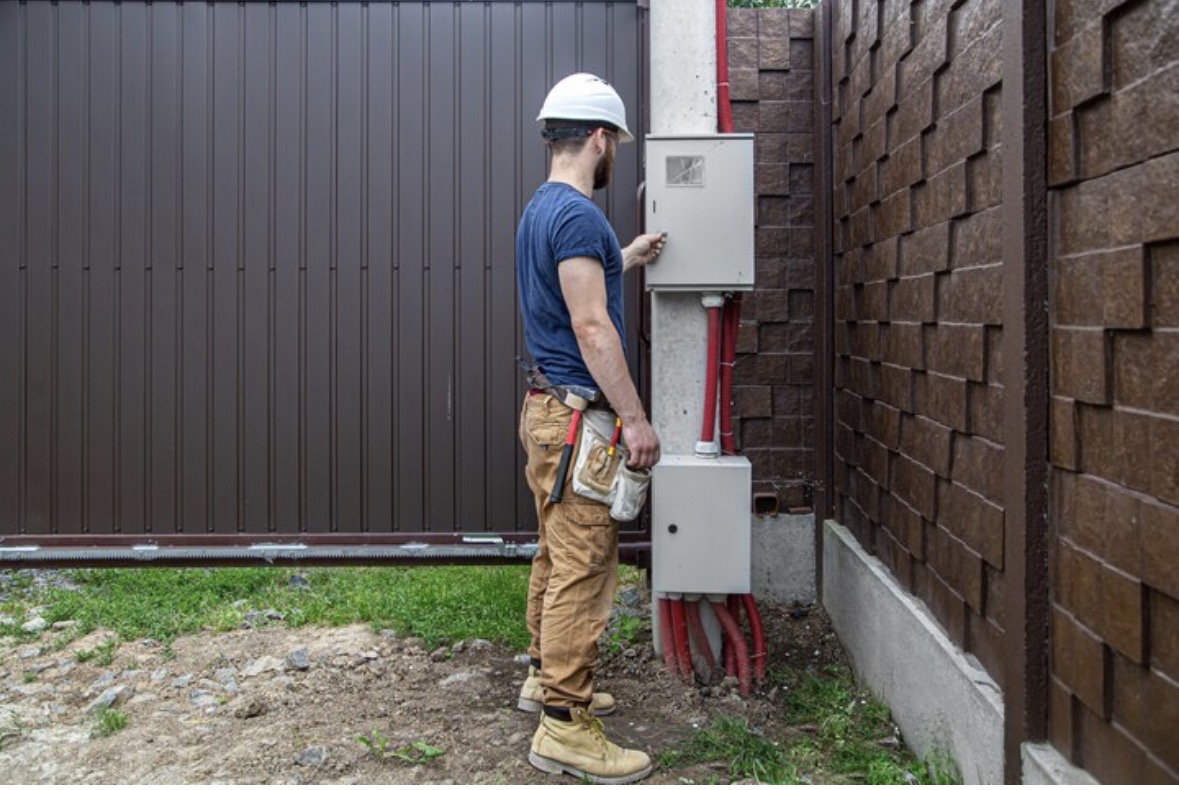
Today’s homes are powered by more technology than ever before. From smart appliances and home offices to electric vehicles and advanced HVAC systems, the demand placed on your electrical system has increased dramatically. Yet many homes—especially older ones—are still operating with outdated electrical panels that were never designed to handle this level of usage.
If your home’s electrical system hasn’t been evaluated in years, it may be time to consider an upgrade. A modern panel not only improves safety but also ensures your home can support your current and future energy needs.
What Is an Electrical Panel and Why It Matters
Your electrical panel is the central hub that distributes electricity throughout your home. It controls how power flows to different circuits and protects your system from overloads by tripping breakers when necessary.
When a panel becomes outdated or overloaded, it can lead to:
- Frequent breaker trips
- Flickering or dimming lights
- Limited capacity for new appliances
- Increased risk of electrical fires
In short, your panel plays a critical role in both convenience and safety.
Signs Your Home May Need an Upgrade
Not every home requires an immediate panel replacement, but there are clear indicators that your current system may be insufficient.
Common Warning Signs
- Your panel is more than 20–30 years old
- You still use a fuse box instead of circuit breakers
- Breakers trip frequently under normal use
- You’re adding high-demand appliances (EV chargers, HVAC systems, etc.)
- You notice burning smells or warm panel surfaces
If any of these sound familiar, it’s worth having a licensed electrician assess your system.
The Growing Demand for Power in Modern Living
Modern lifestyles require significantly more electricity than homes built decades ago were designed to support.
What’s Driving Increased Electrical Demand?
- Electric Vehicles: Home charging stations require substantial power
- Smart Homes: Connected devices run continuously
- Home Offices: Computers, monitors, and networking equipment add load
- Energy-Efficient Systems: New HVAC and appliances often require dedicated circuits
Without a properly sized panel, adding these upgrades can strain your system and limit functionality.
Benefits of Upgrading Your Electrical Panel
Investing in a panel upgrade offers both immediate and long-term advantages.
1. Improved Safety
Outdated panels are one of the leading causes of residential electrical hazards. A modern system reduces the risk of overheating, short circuits, and fire.
2. Increased Capacity
Upgrading your panel allows you to safely power more devices and appliances without constant interruptions.
3. Future-Readiness
Planning to install solar panels, an EV charger, or additional appliances? A panel upgrade ensures your home is ready for these advancements.
4. Higher Property Value
Homes with updated electrical systems are more attractive to buyers and often command higher resale values.
For homeowners in high-growth areas like Silicon Valley, investing in residential panel upgrades Santa Clara is increasingly seen as a necessary step to keep pace with modern energy demands.
Understanding the Upgrade Process
If you’ve never gone through a panel upgrade before, the process may seem complex—but it’s typically straightforward when handled by professionals.
What to Expect
- Initial Assessment: An electrician evaluates your current panel and energy usage
- Capacity Planning: Determining the appropriate amperage (commonly 100A, 200A, or higher)
- Permit and Code Compliance: Ensuring the upgrade meets local regulations
- Installation: Replacing the panel and updating circuits as needed
- Inspection: Final approval from local authorities
Most upgrades can be completed within a day, though larger projects may take longer depending on complexity.
Choosing the Right Electrical Partner
A panel upgrade is not a DIY project—it requires expertise, proper permitting, and strict adherence to safety standards.
What to Look For in a Contractor
- Licensed and insured electricians
- Experience with residential upgrades
- Familiarity with local building codes
- Transparent pricing and timelines
- Strong customer reviews or referrals
Working with a qualified professional ensures the job is done safely and correctly the first time.
Planning Ahead: Don’t Wait for a Problem
One of the biggest mistakes homeowners make is waiting until something goes wrong before addressing their electrical system. By the time you’re experiencing frequent outages or safety concerns, the risks—and potential costs—are already higher.
Instead, take a proactive approach. Evaluating and upgrading your panel before issues arise gives you peace of mind and avoids unexpected disruptions.
Conclusion
As homes continue to evolve, so do their electrical needs. An outdated panel can limit your lifestyle, reduce safety, and prevent you from adopting modern technologies.
Upgrading your electrical panel is a practical, forward-thinking investment that supports both your daily comfort and long-term home value. Whether you’re planning renovations, adding new appliances, or simply ensuring your home is safe and efficient, taking action now can save you time, money, and stress down the line.