

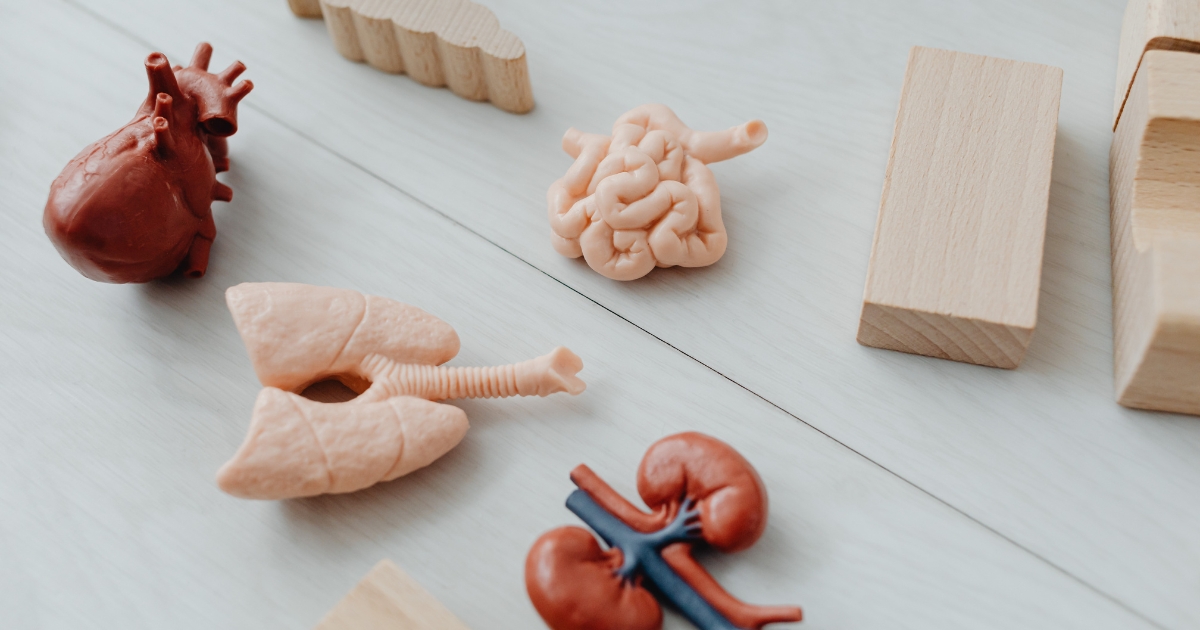
Medical education has evolved significantly over the past decade. While textbooks and digital tools still play an important role, hands-on learning has become a critical component in helping students fully understand complex biological structures. One of the most effective tools supporting this shift is the use of physical anatomy models.
From classrooms to clinical training environments, these models provide a level of clarity and interaction that traditional learning methods often cannot match.
The Importance of Visual and Hands-On Learning
Human anatomy is inherently complex. Understanding the relationships between organs, muscles, and systems requires more than memorisation. It requires visualisation.
This is where an anatomy model becomes invaluable. Instead of relying solely on diagrams, students can explore three-dimensional structures, observe spatial relationships, and develop a deeper understanding of how the human body functions.
For example, studying the cardiovascular system through a model allows learners to see how blood flows through the heart, rather than simply reading about it. This kind of interaction improves retention and comprehension.
Bridging the Gap Between Theory and Practice
One of the biggest challenges in medical education is translating theoretical knowledge into practical skills. Anatomy models help bridge this gap.
Medical students often encounter real-world scenarios where quick understanding is essential. Having previously interacted with physical models, they are better prepared to identify structures and respond effectively.
Institutions that integrate these tools into their curriculum often report improved student engagement and stronger academic performance.
Applications Across Different Fields
Anatomy models are not limited to medical schools. They are widely used across various disciplines, including:
- Nursing education
- Physiotherapy training
- Sports science programs
- Patient education in clinics
For instance, physiotherapists frequently use models to explain injuries and recovery processes to patients. This improves communication and helps patients better understand their treatment plans.
Professionals looking to buy anatomy models often prioritise accuracy, durability, and ease of use, especially in environments where models are used regularly for demonstration and teaching.
Enhancing Patient Communication
Beyond education, anatomy models play a crucial role in patient interaction.
Doctors and healthcare providers often use models to explain diagnoses, procedures, and treatment options. This visual aid simplifies complex information, making it easier for patients to understand their condition.
For example, showing a patient a model of the spine can help explain issues like herniated discs or nerve compression far more effectively than verbal explanations alone.
Choosing the Right Anatomy Model
Not all anatomy models are created equal. Selecting the right one depends on several factors:
- Level of detail required
- Intended use, whether educational or clinical
- Material quality and durability
- Portability and ease of handling
High-quality models offer accurate representations and are designed to withstand repeated use. Providers like https://www.medi-cross.com/ offer a wide range of options tailored to different educational and professional needs.
From full-body models to specialised systems such as skeletal or muscular structures, having access to the right tools can significantly enhance the learning experience.
The Future of Anatomy Learning
As technology continues to advance, anatomy education is becoming more interactive. Digital tools such as augmented reality and 3D simulations are gaining popularity.
However, physical models remain irreplaceable in many contexts. They provide tactile feedback and real-world interaction that digital alternatives cannot fully replicate.
The most effective learning environments combine both approaches, using technology for accessibility and models for hands-on experience.
Conclusion
Anatomy models have become a cornerstone of modern medical education and practice. They enhance understanding, improve retention, and support better communication between professionals and patients.
As the demand for more effective learning tools continues to grow, investing in high-quality models is no longer optional. It is essential for anyone serious about medical education or healthcare training.