

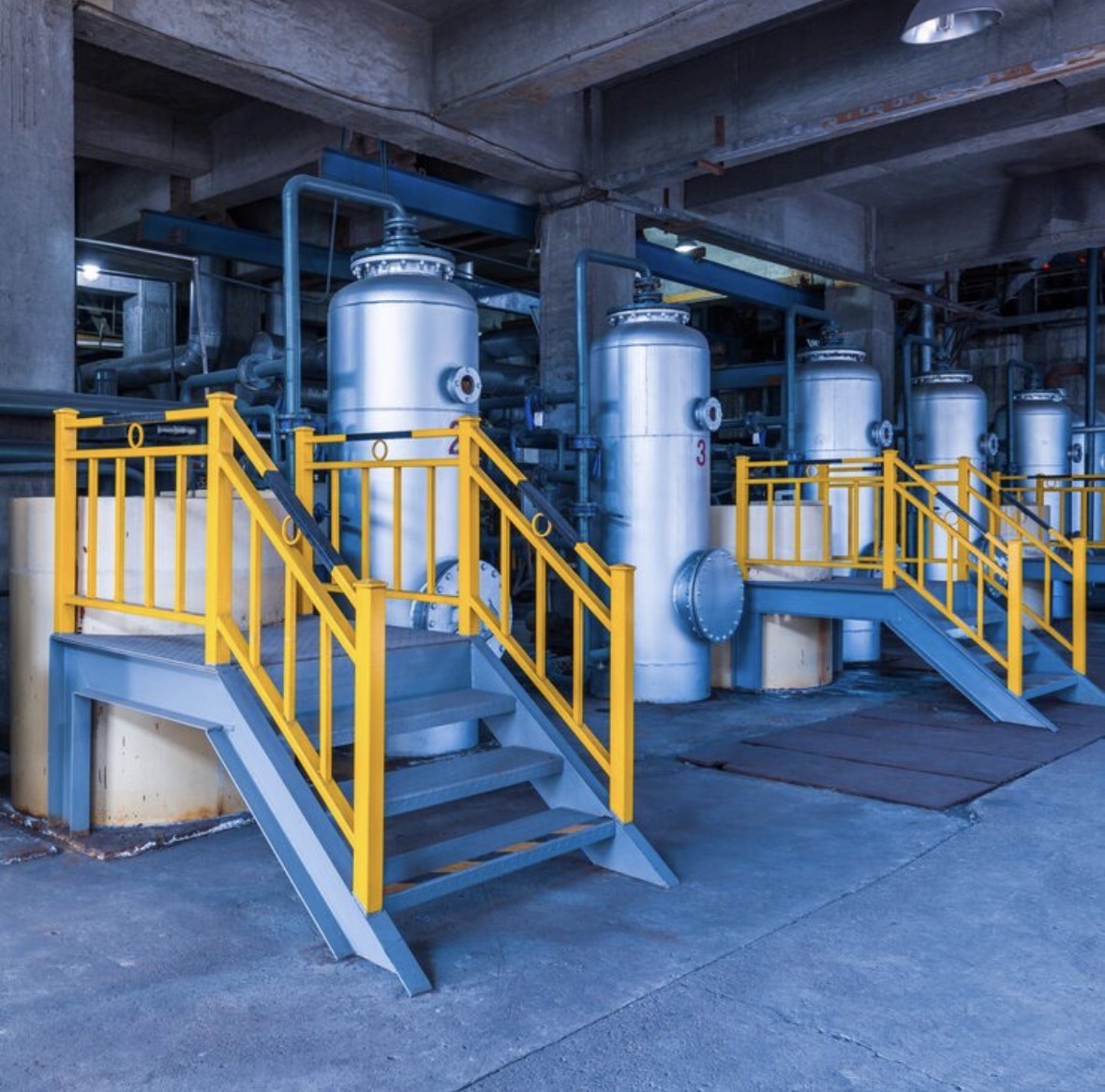
Compressed air is used throughout modern industry for everything from operating pneumatic tools and automated machinery to controlling valves, instrumentation and production equipment. Behind many of these systems sits an air receiver tank, a component that is often treated as simple storage even though it plays an important role in pressure stability, compressor efficiency and overall plant reliability.
In industrial environments, an air receiver should be considered part of a larger engineered pressure system. Capacity, operating pressure, material selection, corrosion resistance, nozzle positions, drainage, inspection access and long-term service conditions all influence how well the vessel performs. For manufacturers, mining companies, processing plants and infrastructure operators, selecting the right receiver is therefore an engineering and procurement decision rather than simply buying a steel tank of a particular size.
A properly designed receiver can provide reserve compressed air during peak demand, reduce unnecessary compressor cycling, help stabilise system pressure and support condensate management. Poorly specified or poorly fabricated equipment can create the opposite result, contributing to pressure fluctuation, corrosion, maintenance issues and premature replacement.Why Industrial Air Receiver Tanks Need Proper Engineering
Industrial compressed air demand rarely remains constant. A facility may operate with relatively low air consumption for several minutes and then experience a sudden increase when multiple pneumatic cylinders, tools, valves or production machines operate at the same time.
The air receiver acts as a buffer between compressor output and plant demand. Stored compressed air can help meet short-term peaks without forcing the compressor to react immediately to every fluctuation. This can improve pressure stability and reduce excessive compressor cycling.
The engineering becomes increasingly important as vessel capacity, pressure and operating duty increase. A receiver supplying a small workshop and one serving a large manufacturing plant may perform the same basic function, but the design requirements can be very different.
Industrial plants replacing existing equipment often need a custom air receiver tank manufacturer capable of matching vessel capacity, operating pressure, nozzle configuration, mounting requirements, available plant space and the conditions in which the receiver will actually operate.Manufacturing Air Receiver Tanks for Industrial Use
Manufacturing an industrial air receiver begins long before fabrication starts.
Engineers first need to understand the intended operating conditions. These can include design pressure, working pressure, compressor output, vessel capacity, temperature, pressure cycling, installation environment, connection requirements and expected service life.
Material selection then becomes critical because the vessel must safely withstand repeated internal pressure throughout its working life. Vessel shell material, heads, flanges, nozzles, supports and other pressure-retaining components need to be appropriate for the design conditions.
Fabrication quality also matters. Pressure-containing welds are not the same as ordinary structural welds. Joint preparation, welding procedures, welder qualifications, penetration, inspection and testing can all influence the integrity of the finished vessel.
A well-manufactured receiver is the result of engineering, controlled fabrication and quality assurance working together.Air Receiver Tanks for Manufacturing Facilities
Manufacturing plants are among the largest users of compressed air. Automotive production, packaging, metal fabrication, food processing, plastics, electronics, building products and general manufacturing operations can all rely heavily on compressed air throughout the production process.
Air receivers in these facilities may supply pneumatic tools, actuators, clamps, automated machinery, packaging equipment, process valves, material-handling systems and production lines. Because many of these systems can operate simultaneously, pressure demand can change rapidly.
A correctly sized receiver provides additional stored capacity that can help smooth those fluctuations. This can improve production stability and reduce the tendency for compressors to constantly cycle in response to short bursts of demand.
For manufacturing facilities operating multiple shifts or running continuously, vessel reliability becomes even more important. Drainage access, inspection requirements, corrosion protection and pressure cycling all need to be considered as part of the design.
The receiver is therefore not simply an accessory to the compressor. It is part of the plant’s wider mechanical and production engineering system.Air Receiver Tanks for Mining and Mineral Processing
Mining environments can place particularly heavy demands on compressed air systems.
Dust, vibration, temperature variation, remote locations and long operating hours all create conditions that differ significantly from those found in a controlled workshop or factory.
Compressed air may be required for pneumatic tools, process control equipment, instrumentation, maintenance operations and mineral-processing systems.
Air receiver tanks manufactured for these applications need to account for durability as well as pressure containment. Capacity may need to support significant peak demand, while vessel orientation, nozzle positions and mounting arrangements may need to suit restricted plant layouts.
Corrosion protection can also become important where equipment is exposed to weather, washdown, chemicals or abrasive contaminants.
For remote mining operations, equipment reliability carries additional commercial importance because a failure can create expensive downtime and logistical delays. This is why industrial pressure equipment should be engineered for the real site conditions rather than selected purely by nominal tank volume.Air Receiver Tanks for Water and Wastewater Infrastructure
Water treatment and wastewater facilities also rely heavily on compressed air.
Pneumatic actuators, control valves, instrumentation and automated process equipment may all depend on a reliable compressed air supply.
Air receivers used in these facilities can help maintain stable pressure when multiple actuators operate or when short periods of increased demand occur.
The environment itself can present additional engineering considerations. High humidity, chemicals, washdown and corrosive atmospheres may require careful attention to coatings, materials and vessel location.
Maintenance access is also important because drainage and inspection cannot be treated as afterthoughts.
A properly engineered receiver for water infrastructure therefore needs to consider pressure vessel design alongside site environment, operational reliability and long-term maintainability.Air Receiver Tanks for Food and Beverage Production
Food and beverage manufacturers use compressed air throughout processing, packaging, filling and automation systems.
Pneumatic cylinders, actuators, packaging equipment, valves and material-handling systems can create repeated short-duration demand peaks.
A suitable air receiver can help absorb those peaks and provide greater pressure stability across the plant.
These facilities often operate in washdown environments, which means external corrosion resistance can become important. Vessel coatings, supports and mounting details may need to withstand regular cleaning and exposure to moisture.
The receiver also needs to fit into the broader compressed air system, including dryers, filtration, drainage and distribution pipework.
For procurement teams in food manufacturing, the correct vessel is therefore one designed for both the pressure requirements and the physical operating environment.Air Receiver Tanks for Chemical and Process Industries
Chemical and process plants can require even more specialised engineering.
These facilities may contain interconnected pressure vessels, pumps, tanks, heat exchangers, piping systems and automated process controls.
Compressed air is frequently used for instrumentation and actuated valves, which means the reliability of the compressed air system can directly influence plant operation.
Receiver specification may therefore need to consider material compatibility, corrosion risk, connection layout, documentation and integration with existing systems.
Space constraints can also influence vessel configuration, particularly in established plants where new equipment needs to fit into existing pipework and access zones.
This is where broader industrial engineering capability becomes valuable. Air receiver manufacturing cannot be separated entirely from the mechanical systems around it.Air Receiver Tanks for Construction and Infrastructure Projects
Large construction and infrastructure projects can also require engineered compressed air systems.
Tunnelling, transport infrastructure, major civil works and temporary site installations may use compressed air for tools, equipment, control systems and specialist machinery.
Air receiver tanks in these environments may need to handle demanding operating conditions while still meeting project-specific engineering requirements.
Some applications may use horizontal vessels within skid-mounted compressor packages, while others may use larger vertical receivers positioned separately within a plant area.
The receiver needs to integrate with compressors, dryers, filtration, valves and pipework while maintaining suitable access for inspection and drainage.
That makes vessel orientation and connection layout part of the overall engineering design.Vertical and Horizontal Air Receiver Tanks
Air receiver tanks are commonly manufactured in both vertical and horizontal configurations.
Vertical receivers are often selected where floor space is limited. They can provide substantial storage capacity while using a relatively small footprint.
This can make them suitable for manufacturing plants, compressor rooms and facilities where equipment space is valuable.
Horizontal receivers may be more appropriate where height is restricted or where the vessel forms part of a skid-mounted package.
The decision should not be made on appearance alone.
Vessel orientation affects supports, nozzle locations, drainage, inspection access and installation requirements.
A properly engineered receiver should therefore be designed around the project rather than forcing the plant to accommodate a standard vessel.Condensate Management and Corrosion
Moisture is one of the most important long-term considerations in compressed air systems.
Atmospheric air contains water vapour, and compression concentrates that moisture. As compressed air cools, some of the water vapour condenses into liquid.
The air receiver provides additional time for cooling and separation to occur, which means condensate can accumulate inside the vessel.
If it is not removed effectively, water can contribute to internal corrosion.
This is particularly important because internal corrosion can reduce vessel wall thickness without being immediately visible from outside.
Drain points should therefore be properly positioned and accessible. Depending on the application, manual or automatic drainage may be used, but either option still needs to form part of a suitable maintenance program.
External corrosion also needs consideration where vessels are exposed to weather, chemicals, washdown or humid environments.Engineering and Compliance Requirements
Air receiver tanks are pressure vessels and need to be treated accordingly.
Industrial projects may require vessels to be designed and manufactured to standards such as AS 1210 or ASME Section VIII, depending on the project requirements and jurisdiction.
These standards influence materials, calculations, fabrication methods, inspection, testing and documentation.
Procurement teams should establish these requirements before fabrication starts.
For projects requiring documented compliance and engineered fabrication, buyers will often look for an AS1210 pressure vessel manufacturer Australia that can manage vessel design requirements, material selection, fabrication, inspection and project documentation within the one supply process.
Trying to resolve compliance or documentation after manufacture has already begun can create unnecessary delays and additional cost.Replacing Existing Air Receiver Tanks
Many industrial air receiver projects are not new installations.
They arise because an existing vessel has reached the end of its service life, has developed corrosion or is no longer suitable for the plant’s current operating demands.
Replacement presents an opportunity to reassess the entire compressed air requirement.
A new receiver does not necessarily need to be an exact copy of the old one.
Engineers may decide to change capacity, vessel orientation, nozzle locations, drainage arrangements or mounting configuration.
Changes to compressor output, production equipment or air consumption may also mean the original vessel is no longer correctly sized.
Custom manufacture allows these requirements to be addressed during replacement rather than simply reproducing an outdated design.Why Engineering Quality Matters
The value of an industrial air receiver is not determined by how much steel has been used to manufacture it.
The real value comes from the engineering, fabrication and quality assurance behind the vessel.
Correct design, appropriate materials, controlled welding, testing, inspection, documentation and suitable corrosion protection all contribute to long-term reliability.
For industrial buyers, the right supplier is therefore one capable of understanding the receiver as part of a larger plant engineering system.
Promec Engineering manufactures and supplies industrial air receiver tanks and pressure equipment for applications where engineering requirements, fabrication quality and project documentation need to be considered from the beginning.