

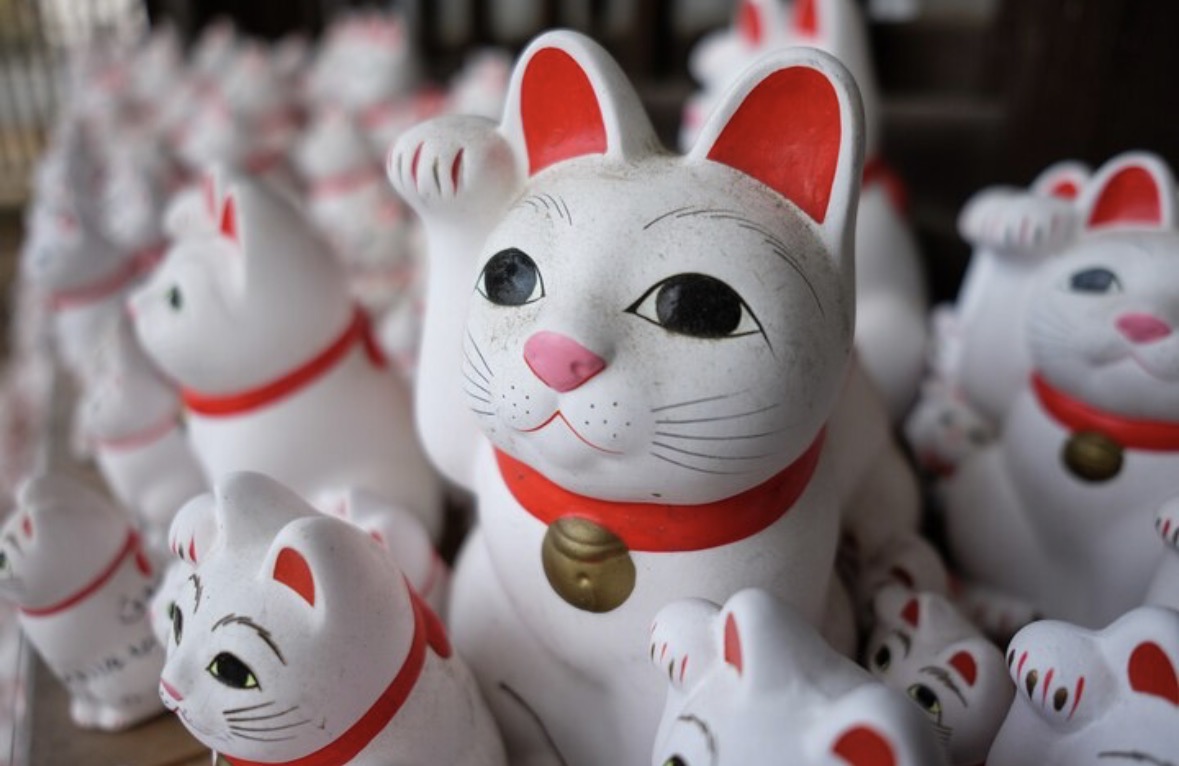
In recent years, Japanese dolls have quietly but steadily gained popularity in the United Kingdom. Once seen mainly in museums, cultural exhibitions, or niche collector circles, these dolls are now finding their way into British homes, concept stores, fashion studios, and even social media trends. Their rise reflects not only an appreciation for Japanese craftsmanship, but also a broader cultural curiosity about Japan’s aesthetics, storytelling traditions, and philosophy of beauty.
This growing interest is part of a wider global fascination with Japanese culture, which includes anime, manga, Japanese fashion, minimal interior design, and traditional arts. Japanese dolls, however, occupy a unique position within this cultural exchange. They are not toys in the Western sense, nor are they simply decorative objects. Instead, they are deeply symbolic creations that blend art, history, spirituality, and craftsmanship.
This article explores why Japanese dolls are becoming popular in the UK, what makes them different from Western dolls, and how they are being reinterpreted by British collectors, designers, and enthusiasts today.
Understanding Japanese Dolls: More Than Just Toys
In Japan, traditional dolls—known broadly as ningyō—have existed for centuries. Unlike many Western dolls, which are primarily designed for children’s play, Japanese dolls historically served ceremonial, spiritual, and artistic purposes.
Some dolls were used in religious rituals to ward off evil spirits or bring good fortune. Others were created to celebrate festivals, represent historical figures, or showcase idealized forms of beauty and elegance. Over time, Japanese dolls became highly refined art objects, often handcrafted by skilled artisans using techniques passed down through generations.
This distinction is one of the main reasons Japanese dolls stand out to UK audiences. In a culture where mass-produced toys dominate the market, the idea of a doll as an art piece—meticulously made, symbolic, and emotionally expressive—feels refreshing and intriguing.
Types of Japanese Dolls Capturing UK Interest
Several types of Japanese dolls are particularly popular among collectors and enthusiasts in the UK.
Kokeshi Dolls
Kokeshi dolls are perhaps the most recognizable Japanese dolls internationally. Originating from northern Japan, they are traditionally made from wood and feature a simple cylindrical body with a round head. Their minimalist design, hand-painted facial expressions, and natural materials resonate strongly with British tastes, especially among fans of Scandinavian and Japanese-inspired interior design.
In the UK, kokeshi dolls are often displayed as decorative art objects rather than children’s toys. Their simplicity aligns with modern British design trends that value craftsmanship, sustainability, and understated beauty.
Hina Dolls
Hina dolls are traditionally displayed during Hinamatsuri (Girls’ Day) in Japan. These dolls represent members of the imperial court and are dressed in elaborate, layered kimono. In the UK, hina dolls are admired for their intricate textiles, historical significance, and regal presence.
Collectors are often drawn to the storytelling aspect of hina dolls. Each figure represents a role, a hierarchy, and a piece of Japanese history. For British audiences interested in history and costume, hina dolls offer a tangible connection to Japan’s past.
Ichimatsu Dolls
Ichimatsu dolls, which resemble children with realistic features, have also gained attention in the UK. Their lifelike expressions can feel uncanny at first, but many collectors appreciate their emotional depth and traditional craftsmanship.
These dolls often spark conversations about cultural differences in how societies represent childhood, innocence, and beauty—making them particularly interesting to academics, artists, and cultural researchers.
Why the UK Is Embracing Japanese DollsGrowing Interest in Japanese Culture
The popularity of Japanese dolls in the UK cannot be separated from the broader wave of interest in Japanese culture. From Studio Ghibli films and anime conventions to Japanese food and travel, British audiences are increasingly open to exploring Japan beyond surface-level stereotypes.
Japanese dolls offer a quieter, more contemplative entry point into this culture. They invite viewers to slow down, observe details, and reflect on tradition—values that appeal to those seeking meaning and authenticity in an increasingly fast-paced world.
Appreciation for Craftsmanship and Handmade Objects
In recent years, there has been a noticeable shift in the UK toward valuing handmade and artisanal products. This is partly a response to mass production and fast consumption. Japanese dolls, often handcrafted using traditional methods, fit perfectly into this mindset.
Each doll carries subtle imperfections that highlight the human touch behind its creation. For many British collectors, owning a Japanese doll feels like owning a piece of living craftsmanship rather than a factory-made item.
Influence of Minimalism and Japanese Aesthetics
Japanese aesthetics such as wabi-sabi—the appreciation of imperfection and impermanence—have influenced British interior design and lifestyle trends. Japanese dolls, especially simpler forms like kokeshi, embody these principles naturally.
Displayed on shelves, desks, or in curated living spaces, these dolls function as visual symbols of calm, balance, and intentional living.
Japanese Dolls in Contemporary British SpacesHome Décor and Interior Design
In the UK, Japanese dolls are increasingly used as statement décor pieces. Interior designers incorporate them into minimalist homes, eclectic apartments, and even traditional British houses as a contrast element.
Rather than overwhelming a space, Japanese dolls often add character and cultural depth. A single doll on a bookshelf can spark curiosity and conversation, acting as both art and cultural artifact.
Fashion and Creative Industries
British designers and artists are also drawing inspiration from Japanese dolls. Elements such as kimono patterns, facial expressions, and symbolic motifs appear in fashion collections, illustrations, and photography projects.
Some creatives reinterpret traditional dolls through a modern lens, blending Japanese influences with British sensibilities. This cross-cultural creativity highlights how Japanese dolls are not just imported objects, but active participants in artistic dialogue.
Collecting and Online Communities
Social media platforms and online marketplaces have played a major role in spreading interest in Japanese dolls. UK-based collectors share photos, historical information, and personal stories connected to their dolls, creating online communities that transcend borders.
These digital spaces allow newcomers to learn about doll types, craftsmanship, and cultural meaning, making the hobby more accessible to a wider audience.
Cultural Sensitivity and Respect
As Japanese dolls become more popular in the UK, conversations around cultural respect and understanding are increasingly important. Many collectors make an effort to learn about the origins, symbolism, and proper care of their dolls.
This respectful approach distinguishes appreciation from appropriation. By understanding the cultural context behind these dolls, UK enthusiasts can engage with Japanese culture in a thoughtful and meaningful way.
Museums, cultural centers, and workshops also play a role by providing educational resources and exhibitions that highlight the historical and cultural significance of Japanese dolls.
The Future of Japanese Dolls in the UK
Looking ahead, the popularity of Japanese dolls in the UK shows no sign of fading. As interest in slow living, cultural heritage, and global craftsmanship continues to grow, these dolls are likely to find an even wider audience.
We may see more collaborations between Japanese artisans and British designers, as well as exhibitions that explore the evolving role of dolls in contemporary society. Japanese dolls are no longer confined to tradition alone—they are becoming dynamic cultural icons that bridge past and present, East and West.
Conclusion
The rising popularity of Japanese dolls in the UK reflects a deeper cultural shift toward valuing craftsmanship, storytelling, and meaningful objects. Far from being mere decorative items, these dolls carry centuries of tradition, symbolism, and artistic expression.
For British audiences, Japanese dollsoffer a unique way to engage with Japan’s cultural heritage while also enriching modern living spaces and creative practices. As cultural exchange continues to evolve, Japanese dolls stand as quiet yet powerful ambassadors of artistry, history, and human connection.