

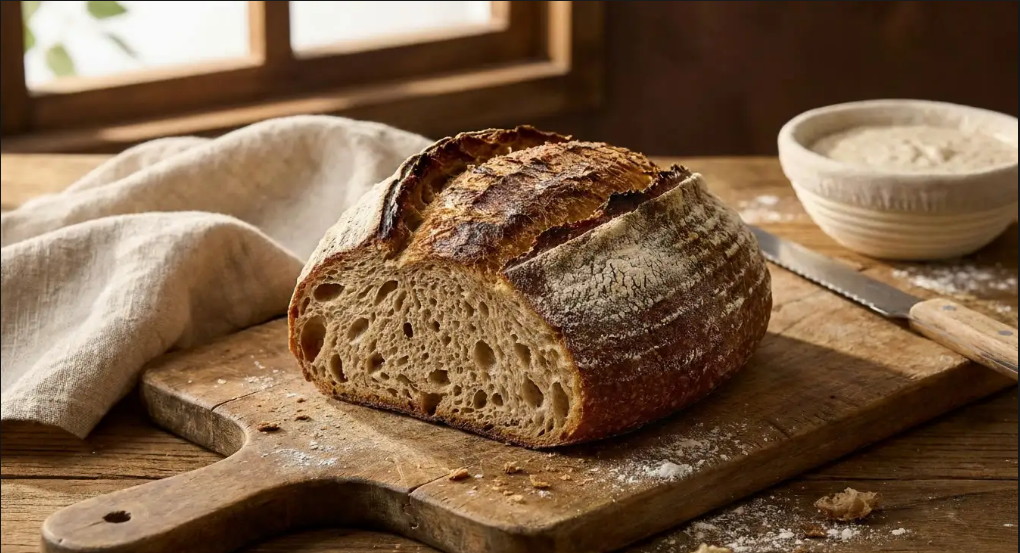
You’re standing in the bread aisle in Dayton, Ohio, flipping over a package stamped “gluten-free.” The ingredient list reads more like a lab formula than food. The loaf itself feels oddly light, almost hollow.
You need something safe for a strict celiac disease diet, but you also want bread with substance, flavor, and real nutrition. That’s when the contrast between mass-produced loaves and true gluten free artisan bread becomes hard to ignore.
A bakery like Gluten Free Artisan Bread Bakery 4U, serving Cincinnati and greater Southwest Ohio, shows just how different gluten-free bread can be.
The Real Problem with Store-Bought Gluten-Free Bread
Most national brands design their recipes for shelf stability first, not for the nutritional value of bread. That usually means refined starches, added gums, and preservatives doing the heavy lifting. The product meets the under 20 ppm gluten requirement, but texture, flavor, and meaningful nourishment often fall short.
Data from the Gluten-Free Artisan Bakery Market: Research & Analysis Report, 2024 values the global gluten-free products market at USD 8.7 billion in 2024. Growth is steady. Still, scale changes priorities. North America accounts for nearly 34% of the global market, according to the 2021 report, and distribution at that level encourages standardization over craft.
Common pitfalls include:
• Water and starch listed as the primary ingredients
• Heavy dependence on xanthan gum for structure
• Added sugars and industrial seed oils
• Preservatives designed to keep bread “fresh” for weeks
So when someone asks, “Where can I find celiac safe bread that actually tastes good?” the standard grocery aisle rarely delivers.
Is Artisan Gluten Free Bread Healthier Than Store Bought?
It can be, especially when it’s made with whole-food ingredients and produced under strict gluten free food safety standards. The distinction isn’t about branding. It comes down to formulation and process.
Gluten Free Artisan Bread Bakery 4U operates as a small batch bakery that is entirely gluten-free and Celiac safe. That eliminates cross-contact risk at the facility level rather than trying to manage it alongside gluten-containing products. Founder Jeannette Werle brings a rare combination of credentials, NDTR, ICHC, and professionally trained pastry chef. It’s not common to find that blend of nutrition training and culinary expertise in a local artisan bakery Cincinnati families depend on.
The bakery leans into alternative flour bread options such as buckwheat and other nutrient-dense blends instead of building recipes around empty-calorie starches. That shift in ingredients is what turns healthy gluten free bread from a slogan into something tangible.
Artisan vs Store Bought Bread: A Structured Comparison
• Ingredient Quality: Many commercial loaves rely on refined starches and stabilizers. Gluten Free Artisan Bread Bakery 4U uses certified gluten-free flours, often organic, with an emphasis on whole-food nutrition.
• Production Model: Industrial bakeries optimize for volume and distribution. This South Dayton bakery prepares custom gluten free bread in small batches, prioritizing freshness and control.
• Food Safety: Some large brands share facilities with gluten-containing products. Gluten Free Artisan Bread Bakery 4U operates as a dedicated celiac safe bakery.
• Customization: Supermarket loaves follow fixed formulas. Here, custom gluten free bread can be tailored for texture, flavor, or specific dietary needs.
• Shelf Life Philosophy: Mass-market brands aim for long stability. This bakery focuses on preservative free bread intended to be enjoyed fresh.
What Makes Gluten Free Artisan Bread Bakery 4U’s Bread Healthier?
The difference lies in how culinary technique and nutrition science work together. As a Registered Nutrition Dietetic Technician and Integrative Certified Health Coach, Jeannette Werle approaches recipe development with more than rise and crumb in mind. She asks what belongs in healthy gluten free bread and why it’s there.
The menu goes beyond traditional loaves. Gluten-free cinnamon rolls, croissants, and biscuits are all prepared under strict gluten free food safety standards. Coverage from the Cincinnati Enquirer, Polly Magazine, 5WLWT, and Cincinnati Refined has helped build credibility throughout Cincinnati, Covington, and nearby Dayton.
How Much Does Custom Gluten Free Artisan Bread Cost?
Artisan gluten free bread usually costs more than what you’ll find at the supermarket. That higher price reflects better ingredients, hands-on labor, and a dedicated gluten-free facility. When weighing the cost, it helps to consider:
• The price of certified gluten-free, often organic, flours
• Small batch production instead of automated high-volume lines
• Eliminating cross-contamination risk for those with Celiac disease
For families navigating a celiac disease diet, value often comes down to safety and consistency. The more useful question becomes whether dependable quality and peace of mind justify the premium.
Customer Journey: From Search to First Slice in Dayton, Ohio
For many, it starts with frustration. Someone in Dayton searches for a gluten free bakery Cincinnati residents trust. They scan labels, read Gluten Free Artisan Bread Bakery 4U reviews, and look closely at ingredient lists.
Then comes the vetting. Is the facility truly Celiac safe? Are there customizable options? Media features and Jeannette Werle’s credentials help answer those questions. Orders are placed for custom gluten free bread, with pickup or regional delivery available across Cincinnati, Covington, and surrounding Southwest Ohio communities.
In the end, taste settles it. A crisp crust, balanced crumb, and full flavor are what turn a first purchase into a regular habit.
Who Should Choose Gluten Free Artisan Bread Bakery 4U?
• Anyone with Celiac disease who needs a dedicated celiac safe bakery
• Health-conscious shoppers looking for nutritious bread suitable for gluten intolerance
• Families in Cincinnati, Covington, and Dayton seeking preservative free bread
• Buyers who care about the quality differences in artisan vs store bought bread
The gluten-free sector continues to grow, driven by medical need and lifestyle demand alike. Industry analyses project CAGRs between 8% and 13% in the coming years.
As the market expands, it is likely to divide more clearly between commodity products and craft producers. Gluten Free Artisan Bread Bakery 4U sits firmly in the craft category, where healthy gluten free bread is treated not as a compromise, but as the baseline expectation.