

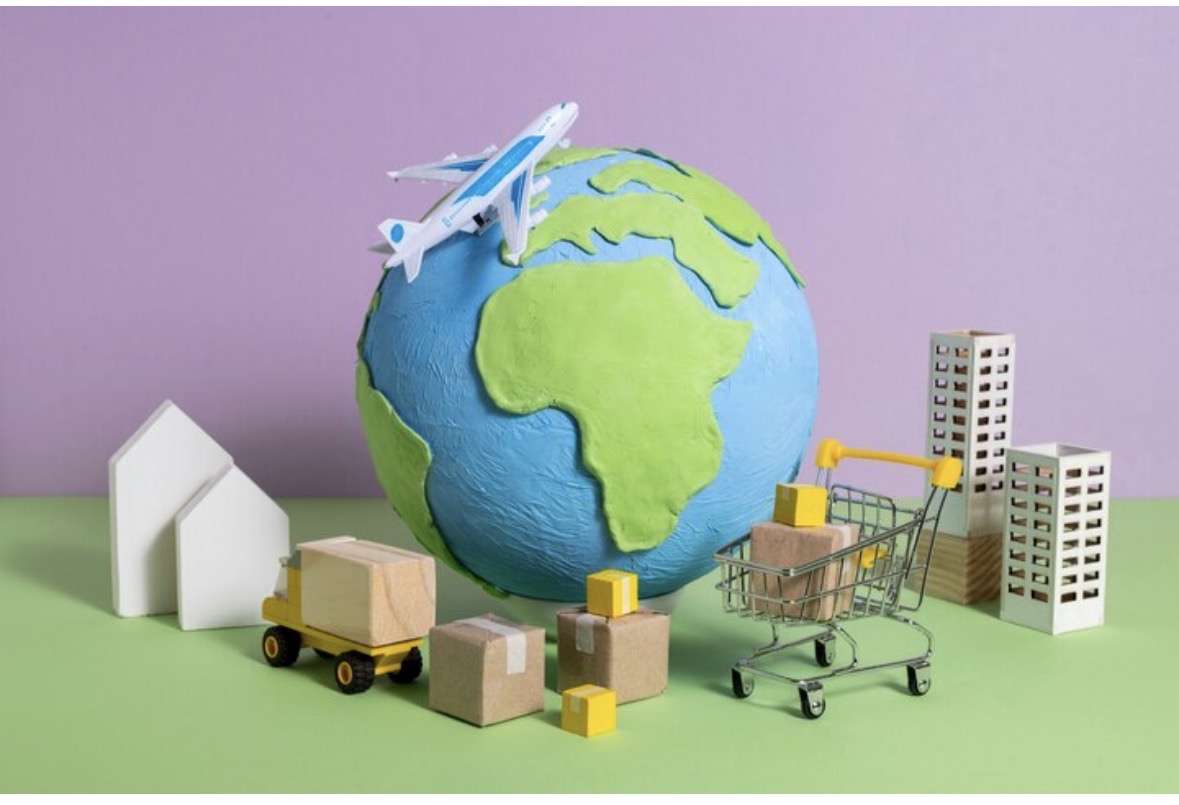
Global supply chains are undergoing a quiet but decisive shift. For decades, trade networks revolved around established hubs in North America, Europe, and parts of East Asia. But in 2026, a new pattern is emerging—growth, efficiency, and opportunity are increasingly driven by emerging markets, particularly across Africa and the Middle East.
These regions are no longer just endpoints for goods. They are becoming active engines of logistics, manufacturing, and distribution, reshaping how businesses think about sourcing, shipping, and scaling operations.
The Shift Away from Traditional Supply Chain Models
For years, global supply chains followed predictable routes: manufacturing in Asia, consumption in Western markets, and limited infrastructure in between. But recent disruptions—ranging from geopolitical tensions to rising transportation costs—have forced companies to rethink this model.
Businesses are now seeking:
- diversified supply chains
- shorter transit times
- reduced dependency on single regions
- access to high-growth markets
Emerging economies are meeting these needs by investing heavily in logistics infrastructure and positioning themselves as strategic trade connectors.
Why Emerging Markets Are Gaining Momentum
Several factors are accelerating the rise of emerging markets in global supply chains.
1. Strategic Geographic Positioning
Regions such as the Middle East sit at the crossroads of major trade routes connecting Asia, Europe, and Africa. Similarly, East Africa serves as a gateway to inland economies that depend on coastal ports for trade.
This positioning allows businesses to:
- optimize shipping routes
- reduce transit times
- access multiple markets from a single hub
2. Infrastructure Investments at Scale
Governments in emerging markets are investing billions into:
- port expansions
- rail and road networks
- logistics zones
- industrial corridors
These developments are transforming countries like Oman and Tanzania into logistics hubs capable of handling high cargo volumes efficiently.
As infrastructure improves, the efficiency gap between emerging markets and traditional hubs continues to narrow.
3. Growth of Industrial and Logistics Ecosystems
Another major shift is happening beyond ports. Emerging markets are seeing rapid expansion in:
- warehousing
- manufacturing facilities
- distribution centers
These ecosystems support not just imports and exports, but also regional production and consumption, making supply chains more localized and resilient.
The Role of Logistics Efficiency in Modern Supply Chains
As trade volumes increase, efficiency becomes the defining factor of success. Businesses can no longer rely on slow, manual systems to handle large-scale operations.
Modern logistics hubs require:
- faster cargo handling
- streamlined warehouse operations
- reduced turnaround times
- improved inventory management
This is where operational systems—and the tools that support them—become critical. Companies are investing in reliable material handling equipment to ensure smooth cargo movement across ports, warehouses, and industrial facilities.
From unloading containers to managing high-volume storage, these systems form the backbone of efficient logistics operations.
Africa: A High-Growth Logistics Frontier
Africa is emerging as one of the most promising logistics regions globally. With a growing population, increasing trade activity, and expanding infrastructure, the continent is attracting attention from global businesses.
Ports in East Africa are handling rising cargo volumes, while inland transport networks are improving connectivity across regions. This is creating new opportunities for:
- import-export businesses
- logistics service providers
- manufacturing companies
As operations scale, businesses are also focusing on improving efficiency. Many are adopting diesel forklift solutions for logistics operations to handle heavy cargo and maintain consistent performance in demanding environments.
This shift reflects a broader trend: emerging markets are not just growing—they are becoming more operationally sophisticated.
The Middle East: From Energy Hub to Logistics Leader
The Middle East is undergoing a transformation that goes beyond its traditional role in the energy sector. Countries in the region are investing heavily in diversification strategies, with logistics and infrastructure at the core.
Large-scale developments are driving:
- industrial growth
- port expansion
- regional trade connectivity
As a result, the Middle East is becoming a central hub for global distribution networks, connecting suppliers and markets across continents.
Efficiency is key in this transformation. Businesses operating in these environments are prioritizing systems that can handle high volumes of goods reliably. This includes investing in industrial forklifts for logistics and warehouse operations, which enable faster and safer material handling.
Technology and Smarter Supply Chains
The evolution of supply chains is not just physical—it is also technological. Emerging markets are adopting modern systems to improve efficiency and visibility across operations.
Key trends include:
- real-time tracking of shipments
- digital inventory management
- automation in warehouses
- data-driven logistics planning
These advancements allow businesses to make faster decisions, reduce delays, and improve overall supply chain performance.
However, technology alone is not enough. Physical operations still depend on reliable systems for moving goods. This is why companies are combining digital tools with efficient logistics equipment solutions to create fully optimized supply chains.
Challenges That Still Remain
Despite rapid growth, emerging markets also face challenges that businesses must navigate:
- infrastructure gaps in certain regions
- port congestion during peak periods
- regulatory complexities
- varying levels of operational efficiency
These challenges require careful planning and local expertise. Companies that succeed in these markets are those that adapt their strategies and invest in systems that improve reliability and flexibility.
What This Means for Global Businesses
The rise of emerging markets is creating new opportunities for companies willing to adapt.
By integrating these regions into their supply chain strategies, businesses can:
- reduce costs through optimized routes
- access new customer bases
- improve resilience against disruptions
- scale operations in high-growth markets
At the same time, success depends on operational efficiency. Businesses must ensure that their logistics systems can support increased demand without compromising speed or reliability.
The Future of Global Supply Chains
Looking ahead, the role of emerging markets in global trade will continue to expand. As infrastructure improves and industrial ecosystems mature, these regions will become even more central to supply chain networks.
The future of logistics will be shaped by:
- interconnected global trade routes
- localized production and distribution
- increased reliance on efficient systems
- integration of technology and operations
In this evolving landscape, companies that invest in both strategy and execution will be best positioned to succeed.
Conclusion
Emerging markets are no longer on the sidelines of global trade—they are at the center of its transformation. With strategic advantages, strong investments, and growing industrial capacity, regions like Africa and the Middle East are redefining how supply chains operate.
As businesses navigate this new reality, one thing is clear: efficiency, adaptability, and smart infrastructure will determine success. Those who recognize the potential of these markets—and build systems to support them—will lead the next phase of global commerce.