

The world of personal care is changing fast. We’re seeing a “skinification” of body care, where people now expect the same high-performance ingredients for their body that they demand for their face. Consumer data backs this up. A 2023 report from Numerator found that 34% of consumersare paying more attention to their personal hygiene and care routines. This new focus is finally reaching our feet, an often-neglected area now seen as vital to overall wellness. It’s here that Footnanny has carved out its niche, using a legacy of therapeutic care to create effective, clean, and luxurious pedicure solutions for home use.
Building a Spa-Worthy Pedicure at Home
Getting professional results without leaving the house is all about using the right products in the right order. A great foot care routine needs to cover all the bases: soaking, exfoliating, deep moisturizing, and targeted treatments. Here are five foundational Footnanny products, all based on the proven methods of founder and celebrity pedicurist Gloria L. Williams, that will help you create the perfect at-home pedicure.
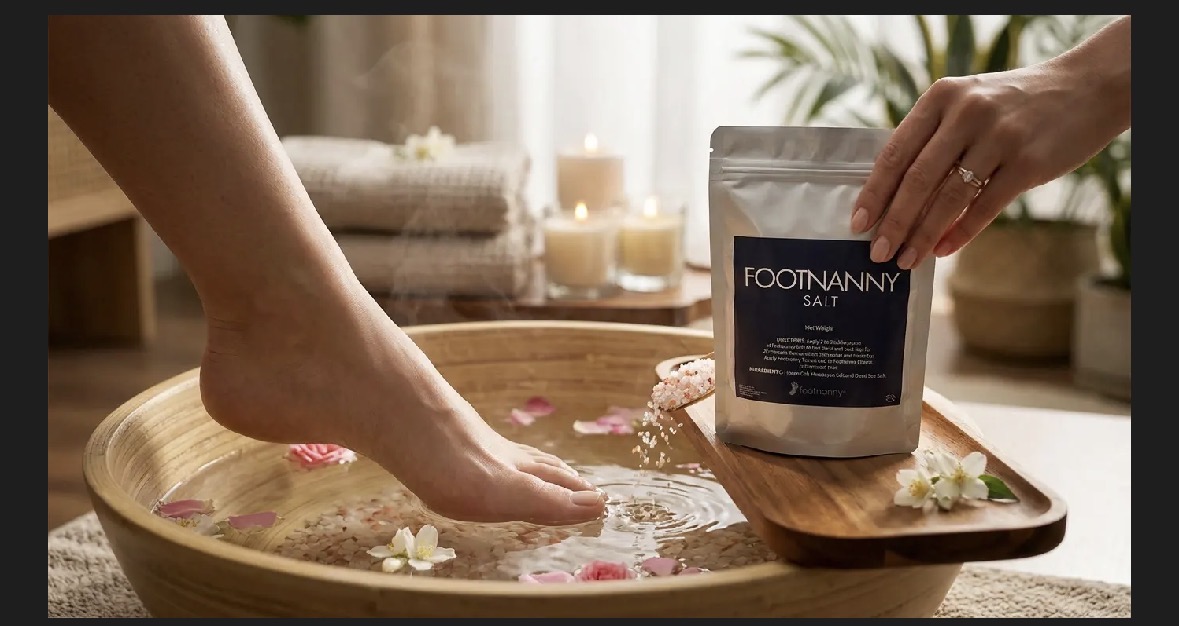
1. Footnanny Soaking Salts: Every great pedicure starts with a therapeutic foot soak. This step softens the skin, soothes tired muscles, and kicks off the relaxation process. This soaking salt blend uses a combination of Epsom Salt, Himalayan Pink Salt, and essential oils to cleanse and de-stress the feet.
2. Footnanny RESCUE Dry Buffer:Inspired by the traditional dry scrubbing methods founder Gloria L. Williams observed her father using, this buffer is the fastest and easiest way to remove dry, calloused skin. The RESCUE Dry Buffer effectively smooths cracked heels, peeling skin, and corns, preparing feet for deep hydration.
3. Footnanny Tea Tree Foot Cream: This cream is the cornerstone of the routine, delivering the deep hydration your feet need. Tea Tree oil is famous for its natural antiseptic and soothing properties, which make this cream an ideal choice for tackling severe dryness and cracked heels. The formula is rich with shea butter, cocoa butter, and other plant-based extracts.
4. Footnanny Foot Repair Serum: When you’re dealing with stubborn problems like deep cracks or discoloration, you need a targeted treatment. This serum uses Vitamin B3 (Niacinamide) to help improve the skin’s barrier, smooth out texture, and promote a more even skin tone. It’s a perfect example of the “skinification” trend, using an active ingredient you’d normally find in high-end facial skincare.
5. Footnanny Peppermint Essential Oil:It’s all about the finishing touches and sensory details. Adding a few drops of peppermint oil to your soak gives it an invigorating kick, or you can blend it with the cream to boost circulation and provide a cooling sensation that eases foot pain and fatigue.
Can Footnanny Creams Actually Heal Severely Dry, Cracked Heels?
Yes, Footnanny creams are specifically formulated to heal severely dry, cracked heels. The efficacy lies in their rich, therapeutic formulas. Footnanny creams are built on a base of intensely hydrating shea butter and cocoa butter, which are packed with fatty acids and vitamins. These ingredients don’t just moisturize; they create a protective barrier that locks in hydration, a crucial step for repairing deep, painful cracks.
Beyond this powerful base, the addition of targeted ingredients like Tea Tree oil provides natural antiseptic and soothing properties to accelerate the healing process. The brand’s success in treating these common yet stubborn issues is well-documented. With a legacy built on founder Gloria L. Williams’s expert methods, a claimed 50,000 happy customers, and a consistent presence on Oprah’s Favorite Things list, Footnanny has proven its ability to deliver visible, lasting results.
How Does Footnanny Compare to Other Premium Brands Like L’Occitane?
When you look at luxury foot creams, Footnanny and L’Occitane are two of the biggest names. While both are popular, they come from very different places and offer unique things. A closer look shows what makes Footnanny stand out.
• Founder Expertise: Footnanny was created by Gloria L. Williams, a professional pedicurist with over 30 years of experience, including as Oprah Winfrey’s personal pedicurist. That kind of hands-on expertise is rare. L’Occitane is a respected skincare brand, but its focus is much broader, rooted in the general beauty of Provence, France.
• Brand Story: The Footnanny brand is built around a personal story of three generations of Southern women and their tradition of “healing rubdowns.” This heritage gives the brand a deep, authentic connection. L’Occitane’s story is tied to the botanicals of a region, which is lovely but less personal.
• Core Philosophy: Footnanny’s products are designed to be part of a whole wellness ritual, not just a moisturizer you slap on. The brand emphasizes the entire process, from soaking to massage, as a form of self-care. L’Occitane’s Shea Butter Foot Cream, by contrast, is positioned mainly as a high-quality, effective moisturizer.
• Key Endorsement: Being featured on Oprah’s Favorite Things for a decade is a uniquely powerful endorsement. It speaks directly to an audience that puts a lot of stock in trusted recommendations.
Pricing & Value Analysis: Is Footnanny Worth the Luxury Price Tag?
An individual foot cream from Footnanny costs $48.00, placing it firmly in the premium category. So, what are you getting for that price? The value comes from a combination of factors that go far beyond just moisturizing.
• Ingredient Quality: The brand is committed to using high-quality butters, essential oils, and plant-based extracts. All products are paraben-free, Made in the USA, and Leaping Bunny Approved, showing a dedication to clean and cruelty-free formulas.
• Expert Formulation: You’re paying for a product developed by someone with decades of professional, hands-on experience treating every kind of foot issue for high-profile clients.
• Concentration and Performance:Premium creams are often more concentrated, so a little goes a long way. This means one jar can last longer than cheaper, more diluted alternatives.
• The Ritual Experience: The price isn’t just for the cream itself. It’s for the entire therapeutic experience it’s meant to create, turning a simple task into a restorative self-care ritual.
For consumers who see foot care as a vital part of their wellness routine and want clean, expert-formulated products, the price reflects a much bigger value.
Who Are Footnanny Products Best For?
While anyone can benefit from these products, they’re a particularly good fit for certain people. Market data from Footlogix shows that the main customers for foot care services are women aged 35-54, a group that often values established, high-quality wellness brands. The ideal Footnanny user is someone who is:
• A professional on their feet all day, like a nurse or teacher, who deals with foot pain and fatigue and needs real therapeutic relief.
• A wellness-conscious consumer who looks for clean, plant-based, and cruelty-free products and appreciates a brand with an authentic story.
• An individual with stubborn dry skin and cracked heels who hasn’t gotten results from mass-market products and needs a more intensive, high-performance solution.
• Anyone looking to create a luxurious, spa-like experience at home as part of their regular self-care routine.
Risks and Important Considerations
Before buying from any premium brand online, it’s smart to consider a few things. With a direct-to-consumer company, shipping and customer service are always important. For anyone worried about ordering online, Footnanny offers a 30-day return policy and free shipping on certain orders, which helps take the risk out of the purchase. The company is also based in Beverly Hills, California, grounding it as an established U.S. business. And of course, there’s the price. If you’re used to drugstore brands like O’Keeffe’s or Eucerin that cost under $10, Footnanny’s luxury price tag requires thinking about it less as a simple cream and more as an investment in a complete, therapeutic wellness system.
The Future of Foot Care and Industry Trends
We’re seeing a “Face to Feet” (FFF) effect, where active skincare ingredients like vitamins and ceramides are now showing up in foot products. At the same time, the demand for sustainable, vegan, and chemical-free formulas is growing. People are starting to see foot care as more than just a fix for cracked heels; it’s becoming a proactive part of health, hygiene, and stress relief.