

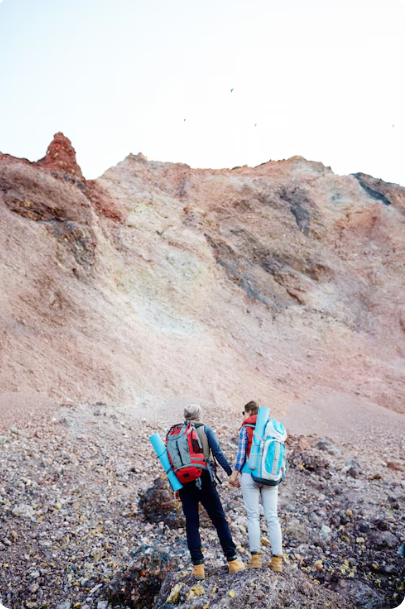
There is a version of the Toubkal climb that most people overlook, and it happens to be the best one. While the 2 day route gets most of the attention, the 3 day Mount Toubkal trek is where the real magic lives. It gives you everything the faster route offers and then adds something the shorter version simply cannot: time. Time to breathe, time to acclimatise, time to actually look around and take in where you are rather than just push through it.
If you are planning a Mount Toubkal expedition and you want to do it properly, the 3 day format deserves serious consideration. Here is why.
The Problem With Rushing a Mountain
Altitude affects people differently and often unpredictably. Someone who runs marathons and cycles at weekends can struggle above 3,000 metres just as much as someone who rarely exercises. The human body needs time to adjust to reduced oxygen levels, and pushing too hard too fast is the most common reason people turn back before the summit.
The 3 day Mount Toubkal trek solves this by building a proper acclimatisation day into the itinerary. Instead of sleeping at the refuge one night and heading straight for the summit the next morning, you have an extra day at altitude to let your body settle in. You might use that day to explore the area around the refuge, take a shorter hike to a nearby ridge, or simply rest and eat and watch the light change across the mountains. Whatever you do with it, that extra day makes a measurable difference when summit morning arrives.
Day by Day on the Mountain
The expedition begins with an early departure from Marrakech to Imlil, the small Berber village at 1,745 metres that serves as the starting point for almost every Toubkal route. From Imlil, the trail climbs steadily through the valley, passing the sacred shrine of Sidi Chamharouch at 2,350 metres before continuing upward to the Toubkal Refuge at 3,207 metres. This first day is around five to six hours of hiking, and it introduces you to the rhythm of the mountain in the best possible way.
The second day is your acclimatisation day, and it is more enjoyable than people expect. The refuge sits in a dramatic bowl of peaks, and there is genuine pleasure in exploring that environment without the pressure of a summit push hanging over you. Your guide will suggest routes based on how the group is feeling, and a Berber cook will keep you well fed throughout. That evening, with your legs rested and your lungs adjusted, you go to sleep genuinely ready for what comes next.
Day three is the summit day. You are up before dawn, headtorches cutting through cold air, and the upper mountain waiting above you. The ascent through steep scree to the summit at 4,167 metres takes three to four hours, and every step of it feels earned. When you reach the top and the full panorama opens up around you, the Sahara to the south, the Atlas stretching in every direction, it lands differently when you know you prepared properly to be there. After taking in the summit, you descend through the Toubkal Valley back to Imlil and transfer to Marrakech.
Why the 3 Day Format Makes the Expedition Feel Complete
A Mount Toubkal expedition should feel like an expedition, not a race. The 3 day format gives the journey its proper shape. There is arrival and orientation, there is preparation and rest, and then there is the summit. That structure makes the whole experience more satisfying and more successful. Groups who take the extra day consistently report feeling stronger on summit morning and more present throughout the entire trek.
Go With People Who Know This Mountain
Omar Ait Zine and the Atlas Mountains Hike team have been running Toubkal expeditions since 2010. Omar is Federation certified and was raised in a Berber village in the High Atlas, which means his knowledge of this mountain goes far deeper than any guidebook. His team handles every detail, from transport and meals to accommodation and mule support, so your only job is to show up and climb.
Check live dates and availability at atlasmountainshike.com.