

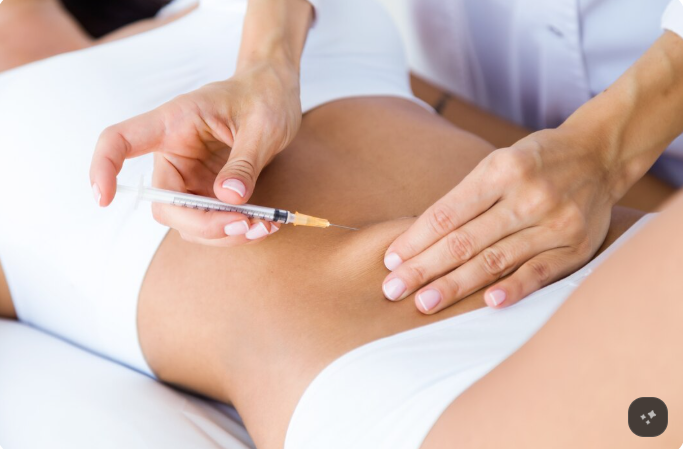
Weight loss injections such as Mounjaro and Wegovy have transformed the way thousands of people across the UK approach weight management. With some users losing several stone in a relatively short period, these medications are helping people achieve results that previously seemed out of reach.
However, as more people experience significant weight loss, another issue is attracting attention: the appearance of loose skin, sagging tissue and stubborn pockets of fat that remain long after the weight has disappeared.
For some, reaching their target weight is only the beginning of a new journey towards feeling comfortable in their bodies.
Why weight loss injections can leave behind loose skin
Medications such as Mounjaro and Wegovy work by influencing appetite and helping people feel fuller for longer. When prescribed appropriately and combined with lifestyle changes, they can produce substantial weight loss.
However, losing a considerable amount of weight does not automatically mean that the skin will return to its previous shape.
Skin contains collagen and elastin, which help it stretch and maintain firmness. When someone carries excess weight for several years, the skin gradually expands to accommodate the additional body fat.
Following significant weight loss, particularly when it happens quickly, the skin may struggle to contract sufficiently to match the body’s smaller proportions.
This can result in loose, wrinkled or hanging skin around the stomach, upper arms, thighs, chest and other areas.
Although weight loss injections do not directly cause loose skin, the substantial weight reduction they can facilitate makes these changes more noticeable.
Age, genetics, the amount of weight lost and how long someone has been overweight can all influence the extent of skin laxity.
The unexpected problem of stubborn fat after weight loss
One of the more frustrating experiences reported by people who have lost significant weight is discovering that certain fatty areas remain despite their overall transformation.
Someone might lose four or five stone yet continue to have a noticeable pouch around their lower stomach. Others may experience soft, fatty folds around their upper arms, back or inner thighs.
This happens because the body does not necessarily lose fat evenly.
Genetics, hormones and individual fat distribution patterns influence where fat is stored and which areas are most resistant to weight reduction.
Importantly, there is a difference between loose skin and remaining fatty tissue.
What appears to be sagging skin may actually contain a combination of excess skin and stubborn subcutaneous fat. Understanding this distinction is essential when considering cosmetic treatments.
For people exploring ways to improve their body shape, treatments such as fat freezing after weight loss are becoming an option worth investigating.
Also known as cryolipolysis, fat freezing targets localised deposits of fatty tissue using controlled cooling. Unlike weight loss injections, which help reduce overall body weight, the treatment focuses on specific areas of unwanted fat.
However, fat freezing cannot remove excess skin, and reducing fat beneath already loose skin can sometimes make sagging more noticeable.
Why the stomach is often the biggest concern
The abdomen is one of the areas most commonly affected by significant weight loss.
People who previously carried substantial weight around their middle may discover that their stomach remains soft, wrinkled or uneven, even after achieving a much smaller waistline.
In some cases, a lower abdominal pouch contains stubborn fat. In others, the problem is predominantly excess skin that has lost its elasticity.
For individuals who have worked hard to improve their health, this can be particularly disheartening.
Clothing may fit differently than expected, while loose abdominal folds can occasionally cause irritation, chafing or discomfort during exercise.
This has encouraged growing interest in body contouring treatments designed to address the physical changes associated with major weight loss.
Are non-surgical tummy tuck treatments becoming more popular?
Traditionally, people with substantial excess abdominal skin might consider abdominoplasty, commonly known as a tummy tuck.
Although surgery can remove significant amounts of loose skin, it involves anaesthesia, recovery time, scarring and the risks associated with an invasive procedure.
Not everyone wants to undergo surgery, particularly after an extended weight loss journey.
Consequently, non-invasive body contouring treatments are attracting interest from people seeking more modest improvements without surgical intervention.
Options such as radiofrequency skin tightening, fat freezing and muscle stimulation may be considered depending on the individual’s concerns.
For example, a non-surgical tummy tuck approach may combine treatments designed to reduce localised abdominal fat and improve the appearance of mildly loose skin.
Radiofrequency treatments use controlled energy to heat tissue and stimulate collagen remodelling, potentially producing modest improvements in skin firmness.
Fat freezing, meanwhile, can help reduce selected fatty deposits that remain around the stomach and waist.
These procedures are not equivalent to surgical skin removal, and results vary considerably. People with substantial hanging skin are unlikely to achieve the same results through non-surgical treatments.
Nevertheless, for suitable candidates with mild skin laxity or small areas of residual fat, they may offer an alternative worth discussing with a qualified practitioner.
The emotional impact of dramatic weight loss
The physical changes associated with rapid weight loss can also have a psychological impact.
Many people begin their weight loss journey imagining how they will look and feel once they reach their target.
While improvements in mobility, health and fitness can be enormously rewarding, the appearance of loose skin may create unexpected disappointment.
Some individuals become self-conscious about their stomach, arms or thighs, particularly when wearing fitted clothing or swimwear.
Others find that their body looks different from what they anticipated, despite achieving a significant reduction in weight.
These feelings do not diminish the health benefits of successful weight management, but they highlight why expectations and emotional wellbeing deserve attention throughout the process.
It is also important to recognise that loose skin is a normal consequence of substantial weight loss for many people, rather than evidence that their efforts have been unsuccessful.
Can loose skin improve naturally over time?
Some improvement in skin firmness may occur as the body adjusts to a lower weight, although the extent of natural tightening varies considerably.
Younger individuals and those who have lost smaller amounts of weight may experience greater skin retraction than people who have carried substantial excess weight for many years.
Maintaining a stable weight, eating a balanced diet and undertaking regular resistance exercise can help support overall health and muscle development.
Building muscle may also improve body shape, although exercise cannot remove large folds of excess skin.
For people considering cosmetic treatments, waiting until their weight has stabilised can make it easier to assess which concerns are caused by remaining fat and which are primarily related to skin laxity.
A professional assessment is particularly important before undergoing fat reduction treatments, as removing additional fat is not always the most appropriate solution.
A new chapter in the UK’s weight loss conversation
The increasing visibility of Mounjaro, Wegovy and other weight management medications is changing conversations about obesity, body image and long-term weight management.
As more people achieve substantial weight loss, attention is naturally shifting towards what happens afterwards.
Loose skin, stubborn fat deposits and changes in body shape are becoming important considerations for people navigating life at a lower weight.
This is also creating opportunities for the body contouring sector, particularly clinics offering non-surgical fat reduction and skin tightening treatments.
However, the distinction between reducing fat and tightening skin remains crucial. No single treatment can address every consequence of dramatic weight loss, and realistic expectations are essential.
Ultimately, successful weight management involves more than reaching a particular number on the scales. Understanding how the body changes, maintaining good health and exploring appropriate options can help people feel more confident about the next stage of their journey.