

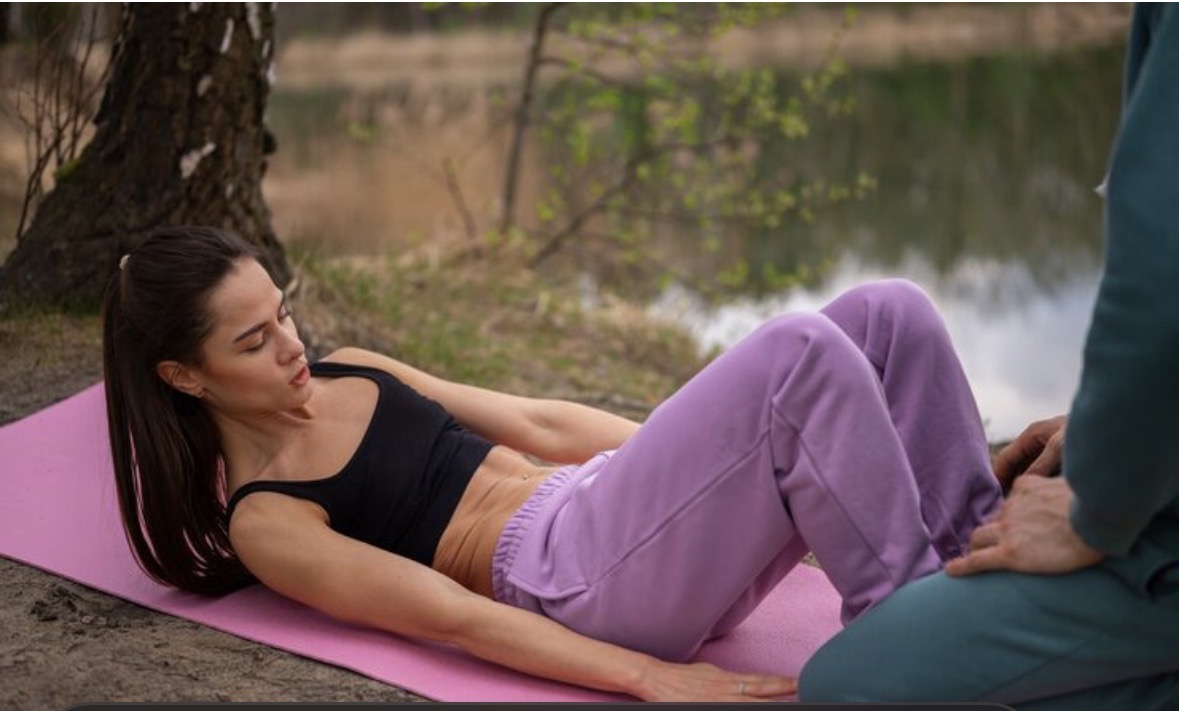
Pelvic floor exercises are often linked with bladder control, but these muscles have other roles too. They support parts of the pelvis and help control the release of urine and stool. Research also suggests that pelvic floor muscle training may improve sexual function for some people. Results vary, and the exercises do not suit every person.
For adults in Dubai, the key is to learn the muscles and use them well. A short, steady routine can help build strength over time. However, more squeezing does not always mean better results. Pain, pressure, or trouble relaxing are signs to seek advice from a health professional.
What are pelvic floor exercises?
Pelvic floor exercises, often called Kegel exercises, train the muscles at the base of the pelvis. These muscles help support the bladder, bowel, and other pelvic organs. They also play a part in controlling urine, stool, and gas.
People of all genders have a pelvic floor. Pregnancy, childbirth, surgery, ageing, long term coughing, and other factors can affect its strength. Some people notice urine leaks when they cough, laugh, lift, or exercise. Others may have bowel symptoms or changes in sexual comfort.
Pelvic floor training can help with some bladder and bowel concerns. The National Institute of Diabetes and Digestive and Kidney Diseases says studies suggest it may also improve sexual function. That does not mean the exercises will solve every sexual concern. Desire, comfort, and sexual function can have many causes.
How can pelvic floor exercises support sexual wellness?
A well coordinated pelvic floor can support control and sensation. Training may help some people, but it is not a guaranteed way to improve sex or treat pain.
The pelvic floor muscles can tighten and relax. This movement is part of normal body function. When a person learns to control these muscles, they may find it easier to notice tension and release it. Some may also find that improved muscle function supports sexual sensation.
Still, a stronger muscle is not always a healthier muscle. A pelvic floor that stays too tight may contribute to discomfort or pain. If exercises make symptoms worse, stop and ask a clinician or pelvic health physiotherapist for advice.
Sexual wellness also depends on other areas of health. Sleep, stress, medication, relationships, and medical conditions can affect comfort and desire. Exercise can support general health, mood, and sleep, but it cannot replace care for a health problem.
How to find the right muscles
Imagine gently lifting the muscles you would use to prevent passing gas. The feeling should come from the pelvic floor, not the stomach, legs, or buttocks.
Try this while sitting or lying down. Keep breathing in a calm, normal way. Gently squeeze and lift the muscles around the back passage and front passage. Then release them fully.
The movement should feel small. Avoid tightening the stomach, thighs, or buttocks. Do not hold your breath. If you are unsure whether you have found the right muscles, ask a health professional for guidance.
Some health guides use the idea of stopping urine flow to help a person identify the muscles once. However, repeatedly stopping urine midstream is not a training method. It may affect normal bladder emptying. Use the image only as a guide, then practise at another time.
How to do pelvic floor exercises
Start with gentle squeezes and full rests. Build up slowly, and follow a health professional’s plan if you have symptoms or a medical condition.
- Choose a comfortable position, such as sitting or lying down.
- Breathe normally and relax your stomach, legs, and buttocks.
- Gently squeeze and lift the pelvic floor muscles.
- Hold only as long as feels comfortable, then let go fully.
- Rest before the next squeeze.
- Add a few quick squeezes if they feel comfortable.
There is no single routine for everyone. NIDDK advises people to ask a health professional for a plan that meets their needs. If you have pain, recent surgery, pregnancy-related concerns, or ongoing bladder symptoms, get guidance before starting a routine.
Try to focus on control rather than force. The release matters as much as the squeeze. If you cannot relax between repetitions, or the exercise causes pain, stop and seek advice.
How to fit pelvic floor training into a fitness routine
Practise in a calm position first. Once the movement feels clear, you can build it into daily life without holding your breath or straining.
A quiet moment at home can make it easier to focus. Some people pair a short set with an existing habit, such as brushing their teeth or taking a break from work. Small, regular practice is often easier to maintain than a long session.
During other workouts, breathe out as you lift or push. Avoid bracing hard through the stomach. If you notice leaks or pelvic pressure during running, jumping, or lifting, consider reducing the effort for now. A pelvic health professional can help you adjust your activity and technique.
Dubai has clinics that offer women’s and pelvic health support. For example, Mediclinic Middle East describes care for pelvic, bladder, bowel, and sexual concerns. A doctor can help you find an appropriate service based on your needs.
When to seek professional advice
Consider speaking with a doctor or pelvic health physiotherapist if you have:
- Pain during exercise or sexual activity
- Ongoing urine or bowel leaks
- A feeling of heaviness or pressure in the pelvis
- Difficulty emptying your bladder or bowel
- Symptoms that get worse when you practise
- Uncertainty about how to contract or relax the muscles
These signs can have different causes. A clinician can assess your symptoms and suggest next steps. In some cases, the right plan may focus on relaxing the pelvic floor, not strengthening it.
It can feel awkward to discuss intimate health. Yet these concerns are common reasons to seek care. You can describe the symptoms in plain terms and ask what kind of specialist may help.
Adult toys and pelvic floor health
Adult toys are personal products for pleasure. They are not a treatment for pelvic floor weakness, bladder symptoms, or sexual pain. Anyone who chooses to use one should read the product instructions and stop if it causes discomfort.
People looking for Sex Toys in Dubai can compare product details and care guidance before choosing. That information may help with general product selection, but it does not replace medical advice.
For a separate product search, a Dubai Sex Shopmay offer different styles and features. Check the product information carefully, and speak with a health professional if you have pain, irritation, or a health concern.
A steady approach matters
Pelvic floor exercises can support muscle control, and may help some people with bladder, bowel, or sexual function. The best approach is gentle, regular, and suited to the person. Strong squeezing is not the goal. Good control includes both contraction and full release.
If symptoms continue or worsen, seek professional advice in Dubai. A tailored plan can help identify what your body needs and reduce the risk of practising the wrong movement.
Frequently asked questions
Question 1: Can pelvic floor exercises improve sexual function?
Answer: They may help some people. Studies suggest pelvic floor training can improve sexual function, but results vary. It does not treat every cause of pain, low desire, or sexual difficulty.
Question 2: How often should I do pelvic floor exercises?
Answer: There is no schedule that suits everyone. Ask a health professional for a routine based on your symptoms and needs. Start gently, and allow the muscles to relax between squeezes.
Question 3: Can I practise pelvic floor exercises while urinating?
Answer: Do not repeatedly stop your urine flow as an exercise. That may affect normal bladder emptying. At most, a clinician may use the idea once to help you identify the muscles.