

The heart works continuously from before birth until the very end of life, quietly sustaining every organ in the body. Cardiology, the medical field dedicated to heart and blood vessel health, exists because even minor disruptions in circulation can have wide-reaching effects on physical and cognitive well-being.
Why the Heart Matters Beyond Chest Pain
Many people associate heart disease solely with dramatic symptoms like chest pain or heart attacks. In reality, cardiovascular issues often develop silently over years. Reduced blood flow can affect the brain, kidneys, muscles, and digestive system long before classic warning signs appear. Fatigue, breathlessness, swelling in the legs, or irregular heartbeats may signal that the heart is struggling to keep up with the body’s demands.
Because the cardiovascular system delivers oxygen and nutrients to every tissue, its efficiency directly influences energy levels, immune function, and recovery from illness.
How Heart Disease Develops Over Time
Most heart conditions are progressive rather than sudden. A common underlying process is atherosclerosis, where fatty deposits gradually build up inside arteries. This narrowing limits blood flow and increases the risk of clots. High blood pressure further strains artery walls, while elevated cholesterol accelerates plaque formation.
What makes heart disease challenging is its slow pace. Damage can occur quietly for years before a noticeable event such as a heart attack, stroke, or heart failure brings it to attention.
The Diagnostic Side of Cardiology
Modern cardiology focuses heavily on early detection. Tools such as electrocardiograms, echocardiography, and ambulatory heart monitors allow doctors to identify rhythm disturbances, valve problems, or reduced pumping strength before symptoms become severe.
Advanced imaging techniques now make it possible to visualize coronary arteries and heart muscle in remarkable detail. These insights help clinicians distinguish between structural problems, electrical abnormalities, and circulation-related conditions—each requiring a different treatment approach.
Treatment Is Often About Balance, Not Extremes
Contrary to common belief, cardiology treatment does not always mean surgery or invasive procedures. Many patients achieve stability through medication, nutritional changes, physical activity, and stress management. Drugs that control blood pressure, regulate heart rhythm, or reduce clot risk can significantly lower the chance of major cardiac events.
When interventions are needed, cardiology emphasizes restoring blood flow and preserving heart muscle function rather than simply reacting to emergencies. Rehabilitation programs also play a key role, helping patients rebuild strength and confidence after cardiac events.
Prevention as a Core Principle
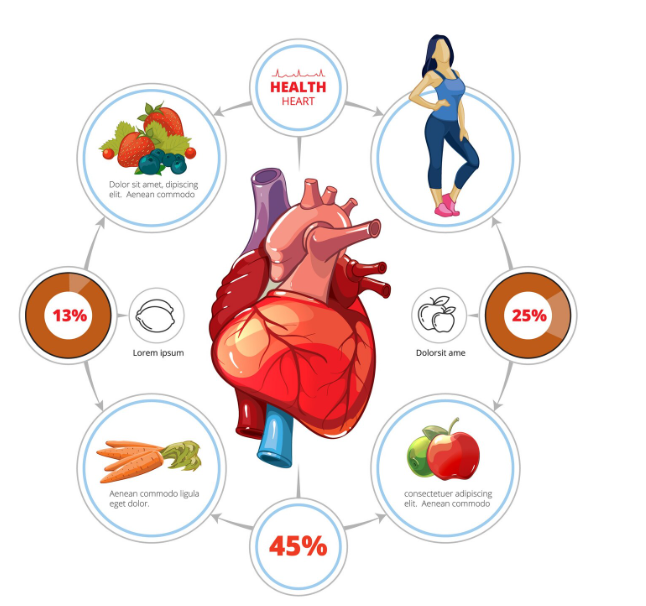
One of the most important aspects of cardiology is prevention. Lifestyle choices such as maintaining a balanced diet, staying physically active, managing weight, and avoiding tobacco have a measurable impact on heart health. Even small improvements—like walking regularly or reducing salt intake—can significantly lower cardiovascular risk over time.
Regular check-ups are especially important for individuals with a family history of heart disease, diabetes, or long-standing high blood pressure.
A Field That Connects the Whole Body
CARDIOLOGY does not operate in isolation. Heart health is closely linked to metabolic health, hormonal balance, kidney function, and mental well-being. This interconnectedness is why cardiologists often work alongside other specialists to understand the full picture rather than focusing on a single organ.