

Most adult healthcare begins when something goes wrong: pain, fever, a test result, a symptom that disrupts life.
The Hidden Science of Growing Up: How Pediatrics Protects Health Before Problems Appear
Most adult healthcare begins when something goes wrong: pain, fever, a test result, a symptom that disrupts life. Pediatrics is different. It is built around a moving target—a child’s body and brain are changing continuously, and the definition of “healthy” depends on age, development, and environment. That is why pediatrics is not simply adult medicine with smaller equipment. It is a specialty shaped by growth, prevention, and the reality that children often cannot clearly describe what they feel.
Why Childhood Illness Looks Different From Adult Illness
Children are still learning how to fight infections. Their immune systems respond differently, their airways are smaller, dehydration happens faster, and fevers behave in ways that can alarm parents. A mild cold for an adult can cause significant breathing difficulty for a young child, not because the infection is “worse,” but because the child’s physiology has less reserve.
Medication is also more complex. Children’s dosing is not standardized in the way adult dosing often is, and metabolism changes as a child grows. Small errors matter more, which is why pediatric care is tightly linked to careful assessment and weight-based decisions.
The Most Powerful Tool in Pediatrics Is Not a Treatment
In pediatrics, the most effective intervention is often the one that happens before illness begins or before it becomes complicated. Routine check-ups are designed to spot patterns that parents may not recognize as important, such as:
- growth slowing down or speeding up unexpectedly
- sleep or feeding issues that suggest an underlying problem
- delays in speech, movement, or social interaction
- subtle hearing or vision concerns that affect learning
- early signs of nutritional deficiency or chronic inflammation
These visits are less about “finding disease” and more about confirming that development is on track—and responding early when it is not.
The Parent’s Observation Is a Clinical Signal
One unique feature of pediatrics is that the patient’s symptoms often arrive through someone else’s description. Infants and toddlers cannot explain their pain, dizziness, or nausea. Instead, they show distress through behavior: reduced feeding, unusual crying, lethargy, changes in breathing, or changes in skin color.
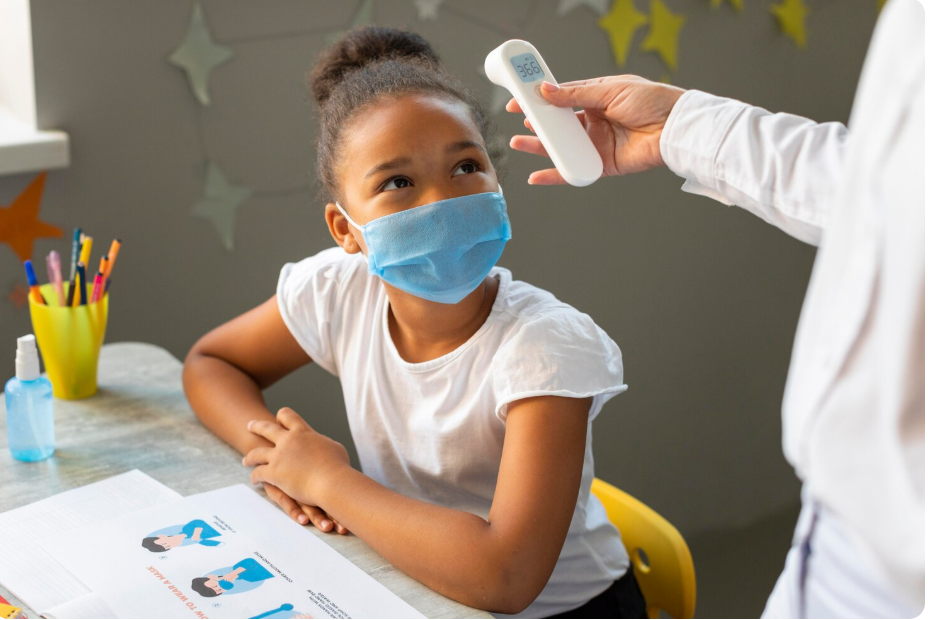
This means pediatrics depends heavily on pattern recognition and context. A fever is not judged only by the number on a thermometer. It is assessed alongside the child’s alertness, hydration, breathing effort, and responsiveness.
Red Flags That Deserve Prompt Attention
Many childhood illnesses resolve quickly, but some warning signs should not be watched passively, especially in very young children. Examples include:
- difficulty breathing (working hard to breathe, fast breathing, chest retractions)
- fever in a newborn or very young infant
- persistent lethargy or reduced responsiveness
- dehydration signs (very dry mouth, no tears, fewer wet diapers)
- rash that does not fade with pressure or is associated with severe illness
- repeated vomiting or severe abdominal pain
Recognizing these signs is part of pediatric safety, because children can worsen faster than adults.
How Pediatrics Handles “Common” Problems in a Safer Way
Even everyday conditions are approached differently in pediatrics because of long-term consequences. For example:
- Antibiotics are prescribed carefully to avoid resistance and unnecessary disruption to the child’s developing microbiome.
- Imaging choices often prioritize methods with no radiation when possible (such as ultrasound), and when radiation is needed, protocols are adjusted to minimize exposure.
- Treatment plans consider the child’s emotional state and the family’s ability to administer care consistently at home.
This makes pediatric care as much about feasibility and comfort as it is about medical correctness.
Pediatrics Is Also About the Future Adult
Childhood health influences adult outcomes. Early nutrition, sleep patterns, physical activity, and vaccination decisions shape long-term risk for chronic disease. Even issues like untreated asthma, repeated infections, or unmanaged allergies can affect schooling, confidence, and development.
Pediatrics, in that sense, protects more than a child’s present health—it protects their future capacity to learn, grow, and thrive.
For an overview of pediatric care, routine screenings, common conditions, and preventive strategies, see: PEDIATRICS is different. It is built around a moving target—a child’s body and brain are changing continuously, and the definition of “healthy” depends on age, development, and environment. That is why pediatrics is not simply adult medicine with smaller equipment. It is a specialty shaped by growth, prevention, and the reality that children often cannot clearly describe what they feel.
Why Childhood Illness Looks Different From Adult Illness
Children are still learning how to fight infections. Their immune systems respond differently, their airways are smaller, dehydration happens faster, and fevers behave in ways that can alarm parents. A mild cold for an adult can cause significant breathing difficulty for a young child, not because the infection is “worse,” but because the child’s physiology has less reserve.
Medication is also more complex. Children’s dosing is not standardized in the way adult dosing often is, and metabolism changes as a child grows. Small errors matter more, which is why pediatric care is tightly linked to careful assessment and weight-based decisions.
The Most Powerful Tool in Pediatrics Is Not a Treatment
In pediatrics, the most effective intervention is often the one that happens before illness begins or before it becomes complicated. Routine check-ups are designed to spot patterns that parents may not recognize as important, such as:
- growth slowing down or speeding up unexpectedly
- sleep or feeding issues that suggest an underlying problem
- delays in speech, movement, or social interaction
- subtle hearing or vision concerns that affect learning
- early signs of nutritional deficiency or chronic inflammation
These visits are less about “finding disease” and more about confirming that development is on track—and responding early when it is not.
The Parent’s Observation Is a Clinical Signal
One unique feature of pediatrics is that the patient’s symptoms often arrive through someone else’s description. Infants and toddlers cannot explain their pain, dizziness, or nausea. Instead, they show distress through behavior: reduced feeding, unusual crying, lethargy, changes in breathing, or changes in skin color.
This means pediatrics depends heavily on pattern recognition and context. A fever is not judged only by the number on a thermometer. It is assessed alongside the child’s alertness, hydration, breathing effort, and responsiveness.
Red Flags That Deserve Prompt Attention
Many childhood illnesses resolve quickly, but some warning signs should not be watched passively, especially in very young children. Examples include:
- difficulty breathing (working hard to breathe, fast breathing, chest retractions)
- fever in a newborn or very young infant
- persistent lethargy or reduced responsiveness
- dehydration signs (very dry mouth, no tears, fewer wet diapers)
- rash that does not fade with pressure or is associated with severe illness
- repeated vomiting or severe abdominal pain
Recognizing these signs is part of pediatric safety, because children can worsen faster than adults.
How Pediatrics Handles “Common” Problems in a Safer Way
Even everyday conditions are approached differently in pediatrics because of long-term consequences. For example:
- Antibiotics are prescribed carefully to avoid resistance and unnecessary disruption to the child’s developing microbiome.
- Imaging choices often prioritize methods with no radiation when possible (such as ultrasound), and when radiation is needed, protocols are adjusted to minimize exposure.
- Treatment plans consider the child’s emotional state and the family’s ability to administer care consistently at home.
This makes pediatric care as much about feasibility and comfort as it is about medical correctness.
Pediatrics Is Also About the Future Adult
Childhood health influences adult outcomes. Early nutrition, sleep patterns, physical activity, and vaccination decisions shape long-term risk for chronic disease. Even issues like untreated asthma, repeated infections, or unmanaged allergies can affect schooling, confidence, and development.
Pediatrics, in that sense, protects more than a child’s present health—it protects their future capacity to learn, grow, and thrive.