

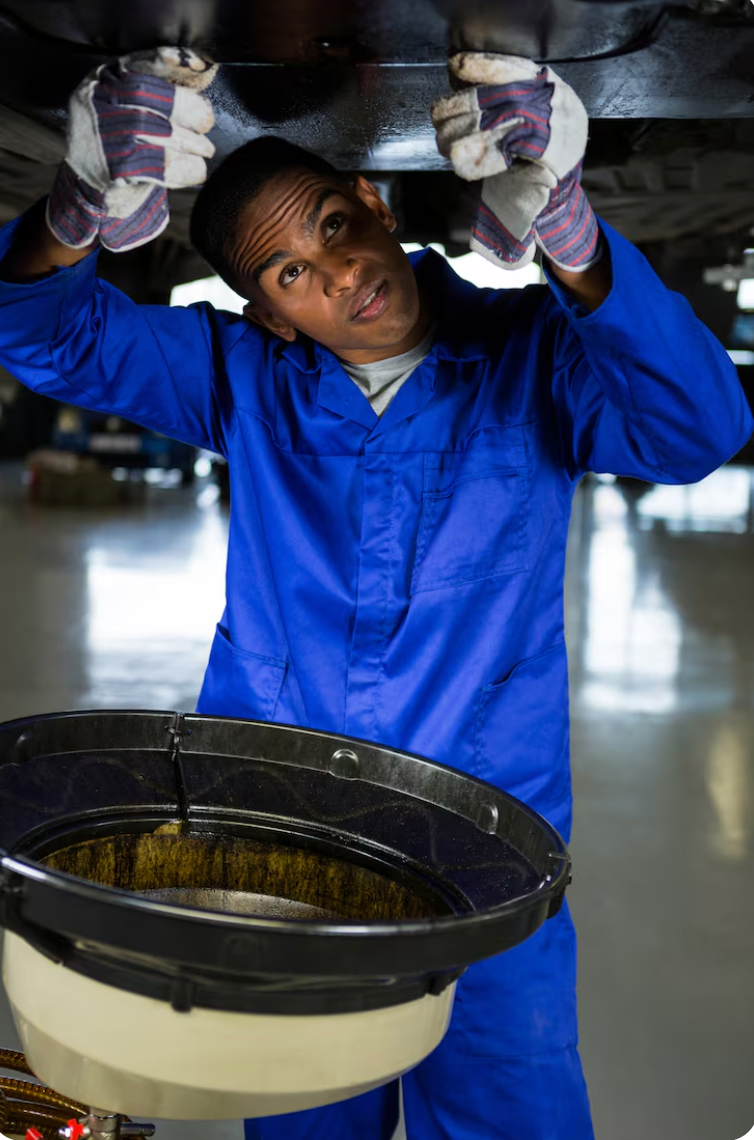
In industries where pipelines play a critical role, shutting down systems for maintenance or upgrades is often costly and disruptive. Whether it’s in manufacturing, oil and gas, or commercial infrastructure, businesses need solutions that maintain operations while allowing necessary modifications. This is where pressure tapping becomes an essential service.
What Is Pressure Tapping?
Pressure tapping, often referred to as hot tapping, is a specialist technique used to create a new connection to an active pipeline without interrupting flow. Instead of draining or shutting down the system, engineers can safely drill into a live pipe and install fittings, valves, or branches.
This process is particularly valuable in situations where downtime is not an option, such as hospitals, industrial plants, or continuous production facilities.
Why Businesses Choose Pressure Tapping
1. Eliminates System Shutdowns
One of the biggest advantages is that operations can continue uninterrupted. This means no costly downtime, no production loss, and no inconvenience for end users.
2. Cost-Effective Solution
Stopping a pipeline system often involves draining, refilling, and restarting — all of which add up in labour and resource costs. Pressure tapping removes the need for these steps.
3. Increased Safety
Modern pressure tapping techniques are designed with safety in mind, reducing risks associated with traditional pipe modifications. Properly executed, it ensures a controlled and secure intervention.
4. Versatility Across Industries
From water systems and HVAC networks to petrochemical pipelines, this method is widely used across multiple sectors.
When Is Pressure Tapping Used?
Pressure tapping is commonly required in scenarios such as:
- Adding new branches to an existing pipeline
- Installing sensors or monitoring equipment
- Connecting additional systems to existing infrastructure
- Carrying out upgrades without halting operations
These applications make it a go-to solution for businesses looking to scale or adapt their systems efficiently.
The Process Behind Pressure Tapping
While the process requires specialist expertise, the general steps include:
- Securing a fitting onto the live pipe
- Attaching a valve to control the connection
- Using specialised drilling equipment to cut into the pipe
- Retrieving the cut section safely
- Closing the valve and completing the connection
Each stage is carefully controlled to maintain system integrity and prevent leaks.
Choosing the Right Pipeline Specialist
Not all contractors have the experience or equipment required to carry out pressure tapping safely. It’s important to work with professionals who:
- Have proven experience in live pipeline services
- Use industry-approved equipment and techniques
- Can handle complex isolation challenges
- Prioritise safety and compliance
Working with a trusted provider ensures that your system remains fully operational while modifications are completed efficiently.
Final Thoughts
In today’s fast-paced industrial environment, downtime can be more than just inconvenient — it can be costly. Techniques like pressure tapping provide a practical and reliable solution for maintaining and upgrading pipelines without disruption.
If you’re looking for expert support with live pipeline services, explore the solutions offered by pressure tapping specialists to keep your operations running smoothly.