

Commercial property owners throughout Southern California are constantly looking for ways to improve energy efficiency, reduce maintenance costs, and extend the lifespan of their buildings. In cities like Los Angeles, where intense sunlight and heat exposure affect structures year-round, roofing systems often experience accelerated wear and tear.
While full roof replacement may eventually become necessary for aging properties, many building owners are discovering that roof coating systems can provide a practical and cost-effective alternative for extending roof performance. These protective systems are increasingly used across office buildings, warehouses, retail centers, apartment complexes, and industrial facilities.
As sustainability and operational efficiency become larger priorities in the construction industry, roof coatings have gained attention for their ability to improve durability while helping property owners avoid premature replacement costs.
What Is a Roof Coating System?
A roof coating system is a fluid-applied protective membrane installed over an existing roofing surface. Once cured, the coating forms a seamless layer designed to protect the roof from UV exposure, water intrusion, thermal movement, and environmental damage.
Different coating materials are available depending on the roof type and building needs. Common systems include:
- Silicone coatings
- Acrylic coatings
- Polyurethane coatings
- Elastomeric coatings
These systems can often be applied over existing roofing materials such as modified bitumen, metal roofing, single-ply membranes, or built-up roofs.
One of the major advantages of coatings is that they can restore and protect a roof without requiring a complete tear-off in many situations.
Why Los Angeles Buildings Face Unique Roofing Challenges
The climate in Los Angeles creates several long-term challenges for roofing systems. Constant exposure to ultraviolet radiation can gradually degrade roofing materials, causing cracking, brittleness, and membrane deterioration.
Thermal expansion and contraction also place stress on roofing assemblies. During the day, roofs may absorb significant heat, while cooler nighttime temperatures create ongoing movement in seams, flashing, and surface materials.
In some areas, occasional heavy rain events can expose weaknesses in aging waterproofing systems. Even small roof vulnerabilities can eventually allow moisture intrusion that damages insulation, ceilings, walls, and interior finishes.
Urban pollution and airborne debris may further contribute to roof surface deterioration over time.
Because of these conditions, many commercial property owners seek preventive solutions that can improve roof resilience before major failures occur.
Energy Efficiency Benefits of Reflective Roof Coatings
One of the most widely discussed advantages of modern roof coating systems is their ability to improve energy efficiency.
Reflective coatings help reduce the amount of solar heat absorbed by a building. By reflecting sunlight away from the roof surface, coatings can lower rooftop temperatures and decrease heat transfer into interior spaces.
This can contribute to:
- Reduced HVAC workload
- Lower cooling costs
- Improved indoor comfort
- Less thermal stress on roofing materials
For large commercial buildings in warm climates, even moderate reductions in cooling demand can lead to meaningful long-term savings.
Cool roof technologies have also become increasingly important as cities work to address urban heat island effects and sustainability goals.
Extending Roof Lifespan Through Preventive Maintenance
Many commercial roofs fail prematurely due to deferred maintenance and prolonged environmental exposure. Small issues such as minor cracks, seam separation, or membrane wear can gradually worsen if left untreated.
Roof coatings help create an additional protective barrier that shields the existing roof system from ongoing damage.
In many cases, a properly maintained coating system can extend the service life of a roof by several years. This allows property owners to delay expensive replacement projects while preserving building performance.
Preventive maintenance strategies that include inspections and coating applications often prove more cost-effective than waiting for significant structural or moisture-related failures to occur.
The Importance of Professional Roof Assessments
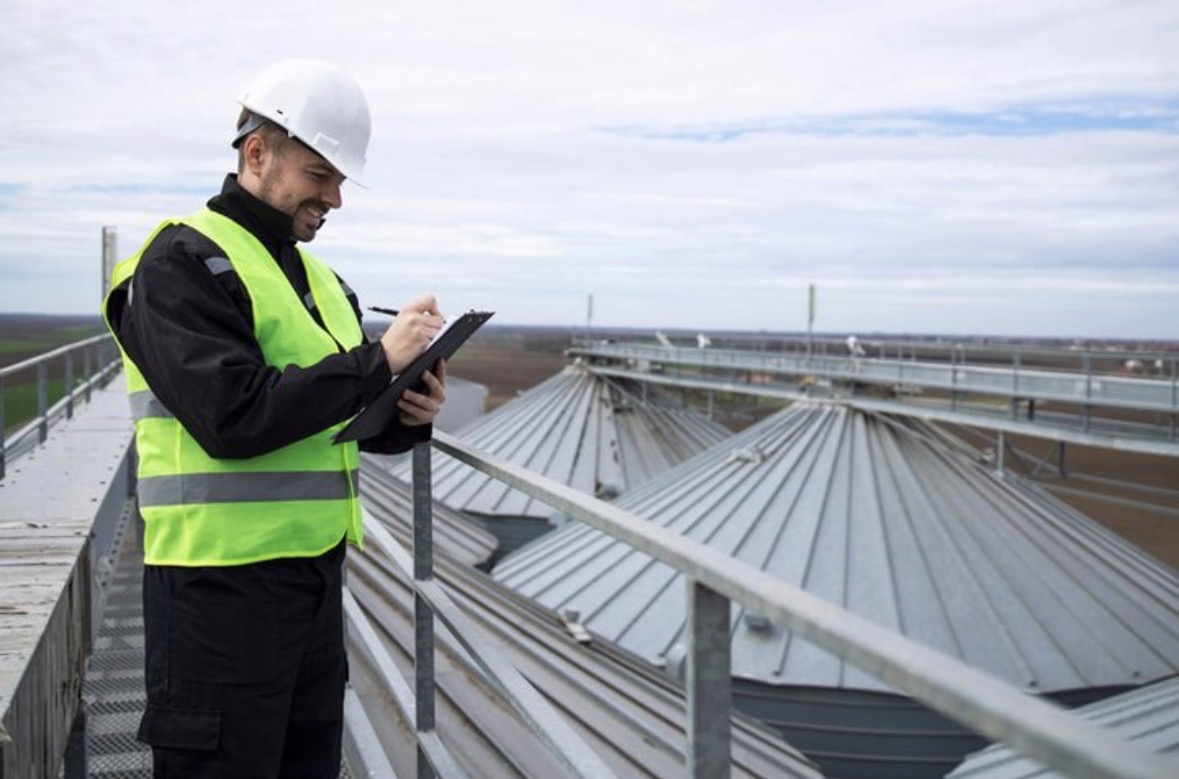
Not every roof is an ideal candidate for coatings. Before any application begins, experienced contractors typically perform a detailed roof evaluation to determine the condition of the existing system.
An assessment may include:
- Moisture inspections
- Surface condition analysis
- Drainage evaluations
- Flashing inspections
- Membrane integrity testing
- Structural observations
This process helps determine whether restoration is feasible or whether more extensive repairs are required.
A quality installation also depends heavily on proper surface preparation. Cleaning, repairs, seam reinforcement, and primer applications all contribute to coating performance and longevity.
Choosing Qualified Contractors for Commercial Roof Coatings
Roof coating performance depends not only on materials but also on installation expertise. Commercial roofing systems are complex, and improper applications can lead to adhesion issues, premature wear, or moisture problems.
Property owners researching experienced Los Angeles roof coating contractors should look for teams with knowledge of waterproofing systems, commercial roofing assemblies, restoration methods, and local environmental conditions.
Experienced professionals can help determine which coating systems are most appropriate for a specific property and ensure that installations meet manufacturer standards.
Roof Coatings and Sustainability Goals
Sustainability initiatives continue to shape construction and property management decisions across California. Many organizations are seeking ways to reduce waste, improve energy performance, and lower environmental impact.
Roof coatings support these goals in several ways.
Reduced Landfill Waste
Because coatings can restore existing roofs instead of requiring full tear-offs, fewer roofing materials end up in landfills.
Lower Energy Consumption
Reflective surfaces can reduce cooling demands and contribute to improved building efficiency.
Longer Material Lifecycles
Protective coatings help preserve roofing systems for longer periods, reducing the frequency of replacement projects.
These factors make coatings an attractive option for property owners pursuing long-term operational sustainability.
Common Commercial Applications for Roof Coatings
Roof coating systems are used across many property types throughout Southern California.
Industrial Facilities
Warehouses and manufacturing facilities often have large roof surfaces exposed to direct sunlight throughout the day. Coatings can help improve thermal performance and protect aging roofing systems.
Multifamily Housing
Apartment buildings and condominium complexes benefit from improved waterproofing and energy efficiency.
Retail Centers
Retail properties often seek coating systems to minimize disruption while extending roof lifespan.
Educational and Healthcare Facilities
Schools and medical buildings may use coatings as part of long-term maintenance programs that prioritize operational continuity.
Planning for Long-Term Roof Performance
Commercial property owners increasingly recognize that roofing systems should be managed proactively rather than reactively.
Waiting until major leaks or visible failures occur often results in higher repair costs, operational disruptions, and interior damage. Regular inspections and restoration planning allow owners to address vulnerabilities early and budget more effectively for future improvements.
Roof coatings can play an important role in this strategy by helping preserve existing systems while improving overall building resilience.
However, successful outcomes depend on careful planning, proper product selection, and skilled installation.
Conclusion
Commercial roofing systems face constant environmental stress in Southern California. Heat exposure, UV radiation, thermal movement, and moisture intrusion all contribute to long-term wear and deterioration.
Roof coating systems offer property owners a practical way to improve protection, increase energy efficiency, and extend the lifespan of existing roofs without immediately resorting to full replacement.
As sustainability, durability, and operational efficiency become more important across the construction industry, roof restoration solutions continue to gain momentum among commercial property owners throughout Los Angeles. By investing in preventive maintenance and working with experienced professionals, building owners can help preserve the long-term value and performance of their properties.