

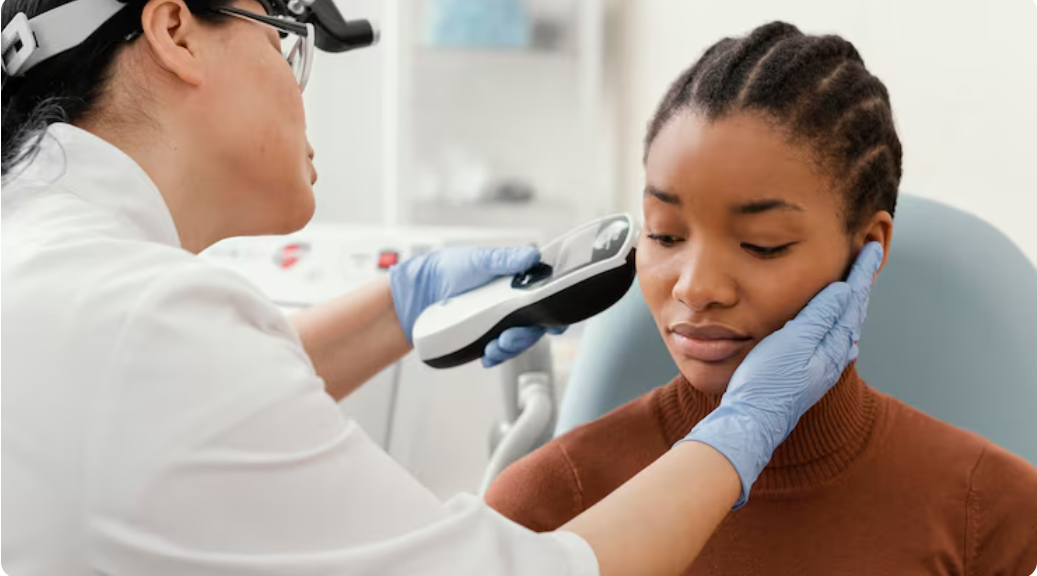
Earwax is one of those things most people would rather not think about. Yet it plays a genuinely useful role in ear health, and problems only tend to arise when it builds up more than the ear can manage on its own.
For many Australians, that tipping point comes without warning. One day the ears feel a little blocked, the television volume seems lower than usual, or there is a dull pressure that simply will not go away. At that point, ear wax removal becomes less of an afterthought and more of a practical priority.
This article explains when earwax becomes a problem, what not to do about it, and how to find the right kind of help when you need it.
Why Does Earwax Build Up?
The ear canal produces cerumen, the medical term for earwax, as part of its natural defence system. It traps dust, dead skin cells, and debris, and has mild antibacterial properties that help protect the canal from infection.
In most people, the ear is largely self-cleaning. Old wax gradually migrates toward the outer ear, dries out, and falls away on its own. Jaw movements from talking and chewing help this process along.
But not everyone’s ears work this way. Earwax can accumulate for a number of reasons, including:
· Producing more wax than average, which some people simply do
· Having a narrow or particularly curved ear canal that slows natural clearance
· Regularly using in-ear earphones or hearing aids, which can interrupt the outward migration of wax
· Using cotton buds or other objects to clean the ears, which often compacts wax deeper into the canal rather than removing it
· Age-related changes in wax consistency, which can make it drier and harder to shift
When wax builds up to the point of becoming impacted, it can cause a range of noticeable symptoms.
Signs That Earwax May Need Attention
Not all earwax build-up requires professional intervention, but there are signs worth paying attention to. These include:
· A blocked or full sensation in one or both ears
· Muffled hearing that has come on gradually
· Tinnitus, which is ringing, buzzing, or hissing in the ears
· Earache or a general feeling of discomfort
· Itchiness deep inside the ear canal
· Hearing aids that seem to be whistling or underperforming
If any of these symptoms have been present for more than a few days, or if they have appeared suddenly, it is worth seeking a professional assessment rather than attempting to manage the problem at home.
Why Cotton Buds Are Not the Answer
The urge to use a cotton bud when ears feel blocked is understandable. It feels intuitive. The problem is that cotton buds are not designed to remove earwax from the ear canal. They are far more likely to push it deeper, compacting it against the eardrum and worsening the very problem they were meant to solve.
In more serious cases, cotton buds can scratch the delicate skin lining the ear canal or, if pushed too far, make contact with the eardrum. The ear canal is a short passage, and the eardrum is closer than most people expect.
Other home remedies, including ear candles, have no reliable clinical evidence supporting their use and carry documented risks, including burns.
For mild cases of wax build-up, over-the-counter softening drops such as olive oil preparations can help loosen wax so the ear can clear it naturally. But when wax is significantly impacted, these are rarely sufficient on their own.
When to Search for Ear Wax Removal Near Me
If softening drops have not resolved the problem after a week or so, or if symptoms are more than mild, that is a reasonable point to start looking for professional help.
Anyone searching for ear wax removal near me should look for a provider with appropriate clinical qualifications, ideally a registered audiologist or trained hearing healthcare professional. The method they use matters too.
Older techniques such as ear syringing use water to flush the canal. They can be effective in some cases, but they are not suitable for everyone, particularly those with a history of perforated eardrums, ear infections, or previous ear surgery. The introduction of water also carries a small risk of residual moisture remaining in the canal.
A more contemporary approach is microsuction, which is now widely regarded as the preferred method by many hearing healthcare professionals.
What Is Microsuction Ear Wax Removal?
Microsuction ear wax removal is a dry procedure. No water is introduced into the ear canal at any stage, which eliminates the moisture-related risks associated with syringing.
During the procedure, the clinician uses a binocular microscope or magnification loupes to get a clear, detailed view of the ear canal. A fine, low-pressure suction device is then used to draw the wax out gently and precisely. Because the clinician can see exactly what they are doing throughout, the level of control is significantly higher than with water-based methods.
The procedure typically takes between 15 and 30 minutes and requires no recovery time. Most patients are able to return to their normal routine immediately afterwards.
Microsuction is suitable for a wide range of patients, including those who have previously had complications with syringing. However, as with any clinical procedure, individual suitability should be assessed by a qualified professional before treatment begins.
What to Expect Before, During, and After
Before Your Appointment
Many clinicians recommend using wax-softening drops for two to three nights before a microsuction appointment. Olive oil-based preparations, available at most pharmacies, help loosen hardened wax and can make the procedure more comfortable and efficient. If you are unsure whether this is appropriate for your situation, check with the clinic when you book.
During the Procedure
The clinician will begin by examining both ears using an otoscope to confirm the presence and location of the wax. The microsuction procedure follows, and you may hear a low suction sound during the process. Most patients describe it as mildly loud but not painful. The clinician will check the ear canal afterwards to confirm the wax has been cleared.
After the Appointment
It is normal for ears to feel slightly different immediately after the procedure as they adjust to the change. Most people notice an improvement in their hearing straight away. In some cases, where wax is particularly stubborn or deeply impacted, a follow-up appointment may be recommended.
Finding Professional Ear Wax Removal
For those in the Sydney region, Hills Audiology in Castle Hill offers professional ear wax removal using microsuction, performed by a qualified and experienced audiologist. As with any healthcare service, it is worth asking about the clinician’s qualifications and the method they use before booking.
If you are outside Sydney, your GP can often refer you to a local audiology practice, or you can search for registered audiologists through Audiology Australia’s member directory.
The Takeaway
Earwax is a normal and necessary part of ear health, but when it builds up to the point of causing symptoms, it is worth taking seriously. Leaving impacted wax untreated can affect hearing and quality of life, while attempting to manage it at home with the wrong tools can make the problem worse.
If you have been experiencing blocked ears, muffled hearing, or persistent ear discomfort, the most sensible step is to seek professional ear wax removal from a qualified clinician. A proper assessment, followed by an appropriate treatment, is far more effective than any home remedy, and for most people, the results are immediate.
Your ears are worth proper care.