

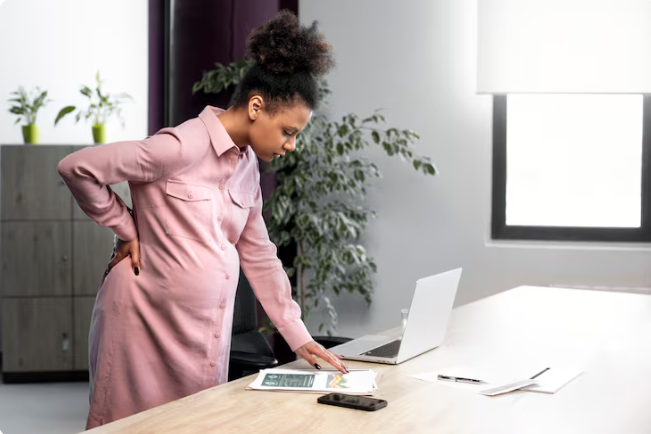
Hip pain after sitting for extended periods is a common concern for people who work at desks, drive frequently, or spend much of their day sitting. You may notice stiffness when standing up, discomfort while walking, or difficulty moving your hip comfortably after being seated. These symptoms can affect everyday activities and may indicate reduced hip mobility, muscle tightness, or an underlying joint issue.
Understanding the possible causes of hip discomfort can help you take steps towards better movement and seek appropriate care when needed.
Common Reasons Your Hip Hurts After Sitting
Prolonged sitting keeps the hips in a flexed position, which can contribute to stiffness and discomfort. Several factors may play a role:
- Tight hip flexors: Sitting for long periods can contribute to reduced flexibility in the muscles at the front of your hips.
- Muscle weakness: Reduced activity may affect the strength of the glutes and other muscles that support hip movement.
- Joint stiffness: Limited movement throughout the day may make the hip joint feel less comfortable when you stand or walk.
- Poor sitting posture: Slouching, uneven weight distribution, or an unsuitable chair may contribute to discomfort.
- Existing conditions: Osteoarthritis, bursitis, tendon irritation, or other musculoskeletal problems can also cause hip pain.
The location and pattern of pain can vary. Some people experience discomfort around the groin, while others notice pain on the outer hip, buttocks, or upper thigh.
How to Improve Hip Mobility During the Day
Small changes to your daily routine can help reduce stiffness associated with prolonged sitting.
Consider these practical habits:
- Take movement breaks: Stand up and walk briefly every 30–60 minutes.
- Change your sitting position: Keep your feet supported and avoid sitting with your legs crossed for extended periods.
- Try gentle mobility exercises: Hip rotations and comfortable leg movements may help maintain mobility.
- Strengthen supporting muscles: Appropriate glute and core exercises can support hip function.
- Avoid pushing through pain: Stop movements that increase discomfort and seek professional guidance if symptoms persist.
The right exercises depend on the cause of your pain, your mobility, and your current physical condition.
How Physiotherapy Can Help With Hip Pain
Physiotherapy can help identify factors contributing to hip discomfort and develop an appropriate recovery plan. A physiotherapy assessment may examine hip mobility, muscle strength, flexibility, posture, walking patterns, and functional movement.
Depending on the assessment, treatment may include:
- Individualized hip mobility exercises.
- Progressive strengthening for the glutes and surrounding muscles.
- Flexibility exercises where appropriate.
- Movement and posture guidance.
- Advice on modifying daily activities and sitting habits.
If you are searching for Physiotherapy Pickering, a personalized assessment can help determine which treatment approach may be suitable for your needs.
People looking online for Physiotherapy near me Pickering can explore local physiotherapy options to find support for persistent hip discomfort. Choosing Physiotherapy in Pickering may also make it easier to attend appointments and follow a consistent rehabilitation routine.
When Should You Seek Professional Help?
Consider arranging an assessment if hip pain continues despite changing your sitting habits, repeatedly returns, affects walking, or interferes with daily activities.
Seek prompt medical attention if you experience severe pain after an injury, cannot put weight on your leg, or notice significant swelling, redness, fever, or sudden worsening symptoms.
Improve Your Hip Mobility With the Right Support
Hip pain after prolonged sitting should not be ignored, especially when it begins affecting your everyday movement. Understanding the cause, staying active, and following an appropriate exercise programme can help support better hip function.
At The Physio Clinic @ West Durham, Pickering residents can explore physiotherapy support for movement-related concerns. Visit to learn more about available services and take the next step towards improved mobility.