

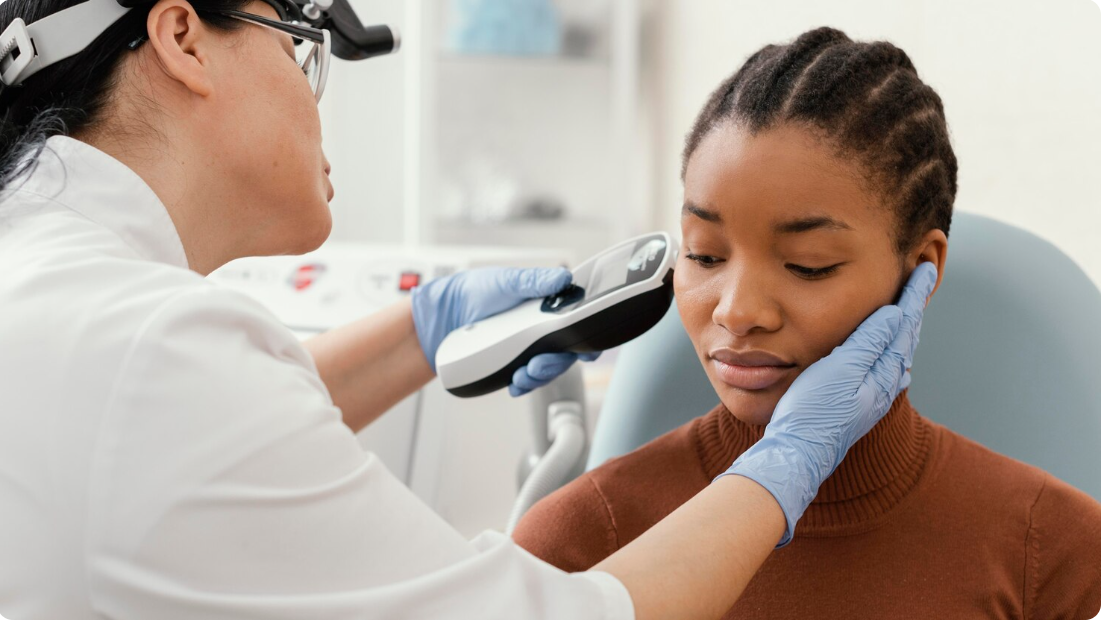
Earwax (cerumen) is a natural substance the body produces to protect the ear canal, trap dust, and prevent irritation. While earwax plays an important role in maintaining ear health, excessive buildup can lead to discomfort, reduced hearing, itching, ringing, and infections. Many people try to remove wax themselves with cotton swabs or other objects, but this often pushes the wax deeper and creates more serious complications.
In this article, we explore everything you need to know about earwax removal, from when it is necessary to the safest clinical methods available today. If you are searching for professional earwax removal, you can find trusted services across the UK through First Medical Consultants.
Understanding Earwax: Why It Forms
Earwax is a mixture of oils, sweat, and dead skin cells produced inside the ear canal. It serves several essential functions:
- Prevents dust and debris from entering the inner ear
- Lubricates the ear canal
- Protects against infection
- Acts as a natural barrier to bacteria and fungi
Under normal circumstances, earwax gradually moves outward on its own. However, certain factors can cause excess buildup, such as:
- Using cotton buds
- Wearing earphones frequently
- Naturally narrow or curved ear canals
- Increased cerumen production due to genetics, age, or skin conditions
When the ear cannot clear wax efficiently, a blockage forms and symptoms begin to appear.
Signs You May Need Earwax Removal
Some earwax buildup is harmless, but a blockage can cause:
- Muffled or reduced hearing
- A sense of pressure or fullness
- Itching inside the ear canal
- Ear pain
- Tinnitus (ringing in the ears)
- Dizziness
- Persistent discomfort
Blocked ears not only affect daily hearing but can also interfere with hearing aids and increase the risk of infection if left untreated.
Why Home Earwax Removal Can Be Unsafe
Despite being common, cotton buds and other household tools pose risks when inserted into the ear canal. They often push wax deeper toward the eardrum instead of removing it.
Potential risks of DIY earwax removal include:
- Impacted wax
- Cuts or abrasions inside the ear
- Perforated eardrum
- Infection from bacteria introduced via tools
- Worsened blockage
Healthcare professionals strongly advise against inserting anything into the ear canal. Safe alternatives exist, and professional care is nearly always more effective.
Clinically Approved Earwax Removal Methods
Clinics specializing in ear care use precise, evidence-based techniques to remove wax safely without damaging the ear.
1. Micro Suction Earwax Removal
Micro suction is widely considered the safest and most effective method. Using a medical grade suction device under microscopic or endoscopic visualization, clinicians gently remove wax without flushing the ear.
Advantages include:
- No water involved
- Fast and highly controlled
- Suitable for patients with perforated eardrums
- Safe for people who experience recurrent blockages
Because the clinician can see the wax clearly, micro suction reduces risks and allows for precise removal.
2. Ear Irrigation (Formerly Known as Syringing)
Irrigation involves rinsing the ear canal with warm water under controlled pressure. When performed properly, it can effectively clear softer wax blockages.
Key considerations:
- Only appropriate when the eardrum is intact
- Requires medical screening beforehand
- Can cause temporary dizziness if water temperature differs from body temperature
It is less precise than micro suction but remains a widely used method in many clinics.
What Happens During a Professional Earwax Removal Appointment
A proper earwax removal appointment follows a structured process:
- Medical review: Your clinician will ask about your symptoms, ear history, hearing concerns, and any previous infections.
- Ear examination: An otoscope or microscope is used to assess the amount and position of wax.
- Selection of technique: Based on the assessment, the clinician chooses the most appropriate method, typically micro suction or irrigation.
- Wax removal: The procedure is done gently with medical equipment designed for safe extraction.
- Post procedure guidance: You will receive advice on preventing future buildup and maintaining long term ear health.
The entire appointment is usually quick, often completed in under 20 minutes.
How Earwax Affects Hearing
Earwax may seem harmless, but even a small blockage can significantly reduce sound clarity. Many patients experience an immediate improvement in hearing after wax removal. Excess buildup can also:
- Reduce hearing aid performance
- Trigger discomfort during daily activities
- Increase the risk of ear infection
Consistent professional care helps maintain optimal hearing, especially for people who use hearing aids or experience frequent blockages.
Who Should Avoid Home Earwax Solutions
Some individuals should never attempt at home removal methods due to higher risks. This includes people who:
- Have perforated eardrums
- Have ear tubes or implants
- Experience chronic ear infections
- Have sudden hearing loss
- Have diabetes or compromised immune systems
Professional evaluation is essential in these cases to avoid complications.
Why Choosing the Right Clinic Matters
Safe and effective earwax removal requires trained clinicians, proper instruments, and sterile technique. Clinics like those offering earwax removal at First Medical Consultants provide:
- Experienced healthcare professionals
- Advanced micro suction equipment
- Clinical grade hygiene standards
- Clear post care instructions
This ensures that patients receive fast relief without unnecessary risks.
Maintaining Ear Health After Removal
Good ear health does not end after the appointment. Here are simple habits that help prevent future wax buildup:
- Avoid inserting cotton buds into the ear canal
- Use ear oils only if recommended by a clinician
- Keep ears dry after swimming or showering
- Monitor symptoms and schedule checks if blockages recur
Moderation is key, as some earwax is normal and even beneficial.
Conclusion
Earwax buildup is common, but it can become disruptive when it leads to hearing loss, discomfort, or infections. Professional methods such as micro suction and irrigation provide safe and effective solutions. By choosing a qualified clinic, you ensure proper assessment, precise treatment, and long term protection of your hearing.
For reliable, safe, and clinically approved professional earwax removal services, visit First Medical Consultants to learn more and book an appointment. Their team offers expert care across multiple UK locations, helping patients maintain clear hearing and healthy ears through safe, modern techniques.