

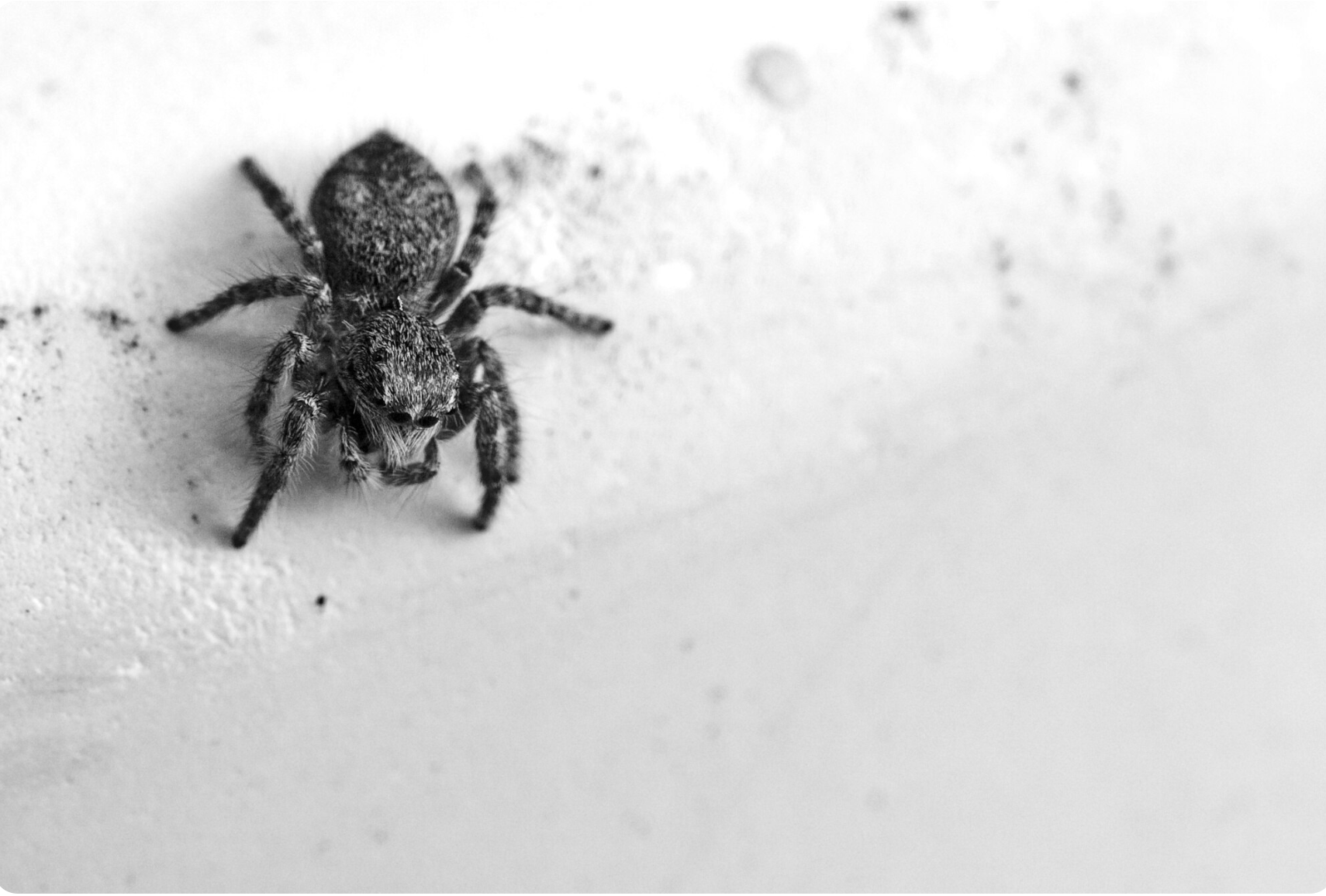
Spiders are one of the most common household creatures in the UK, yet they remain widely misunderstood. While most species are harmless and even beneficial, their presence indoors can still cause discomfort for many homeowners. Understanding why spiders enter homes, how they behave, and what you can realistically do about them is key to managing their presence effectively.
Why Do Spiders Come Indoors?
Spiders don’t randomly invade homes—they are usually driven by specific environmental factors:
- Search for food: Homes often provide a steady supply of insects like flies and moths, which attract spiders.
- Shelter: During colder months, spiders move indoors to escape dropping temperatures.
- Breeding: Some species enter homes to lay eggs in safe, undisturbed areas.
This means that a spider sighting is often a sign of other insect activity, even if you don’t notice it directly.
Common Types of Spiders in the UK
The UK is home to several spider species that frequently appear indoors:
- House Spider (Tegenaria domestica): Often found in corners, basements, and behind furniture.
- Cellar Spider (Pholcus phalangioides): Recognisable by its long legs and tendency to hang in loose webs.
- False Widow (Steatoda nobilis): A species that has gained attention in recent years due to its bite, though serious reactions are rare.
Despite their intimidating appearance, most of these spiders pose little to no threat to humans.
Are Spiders Dangerous?
In the UK, spider bites are uncommon and rarely serious. Most spiders prefer to avoid human interaction and will only bite if provoked. Even species like the false widow are not considered dangerous in most cases, although they can cause mild discomfort.
In fact, spiders can be helpful by controlling populations of other pests, acting as a natural form of pest management.
Why Some Homes Have More Spiders Than Others
Certain conditions make properties more attractive to spiders:
- Cluttered spaces such as lofts, garages, and storage areas
- Poor sealing around windows and doors
- Outdoor lighting that attracts insects (and therefore spiders)
- High humidity levels, especially in basements and bathrooms
Older homes or properties near green spaces may also experience more frequent spider activity.
Practical Ways to Reduce Spider Activity
While it’s nearly impossible to eliminate spiders entirely, there are several steps you can take to reduce their presence:
- Keep your home clean and decluttered: Regular vacuuming removes webs, egg sacs, and food sources.
- Seal entry points: Check for gaps around windows, doors, and vents.
- Reduce outdoor lighting near entryways: This limits the number of insects gathering near your home.
- Control other pests: Since spiders feed on insects, reducing insect activity will naturally discourage them.
Consistency is key—small changes in maintenance can significantly impact how attractive your home is to spiders.
When Does It Become a Problem?
Occasional spider sightings are normal, especially during late summer and autumn when spiders are more active. However, a noticeable increase in sightings, large numbers of webs, or repeated appearances in multiple rooms may indicate a deeper issue.
At that point, it may be worth looking into more structured solutions such as professional spider pest control services to assess the root cause and manage the problem effectively.
Final Thoughts
Spiders are a natural part of the ecosystem and play a useful role in controlling other insects. However, their presence indoors isn’t always welcome, particularly when it becomes frequent or overwhelming.
By understanding what attracts spiders and how they behave, homeowners can take practical steps to reduce encounters while maintaining a balanced and healthy living environment.