

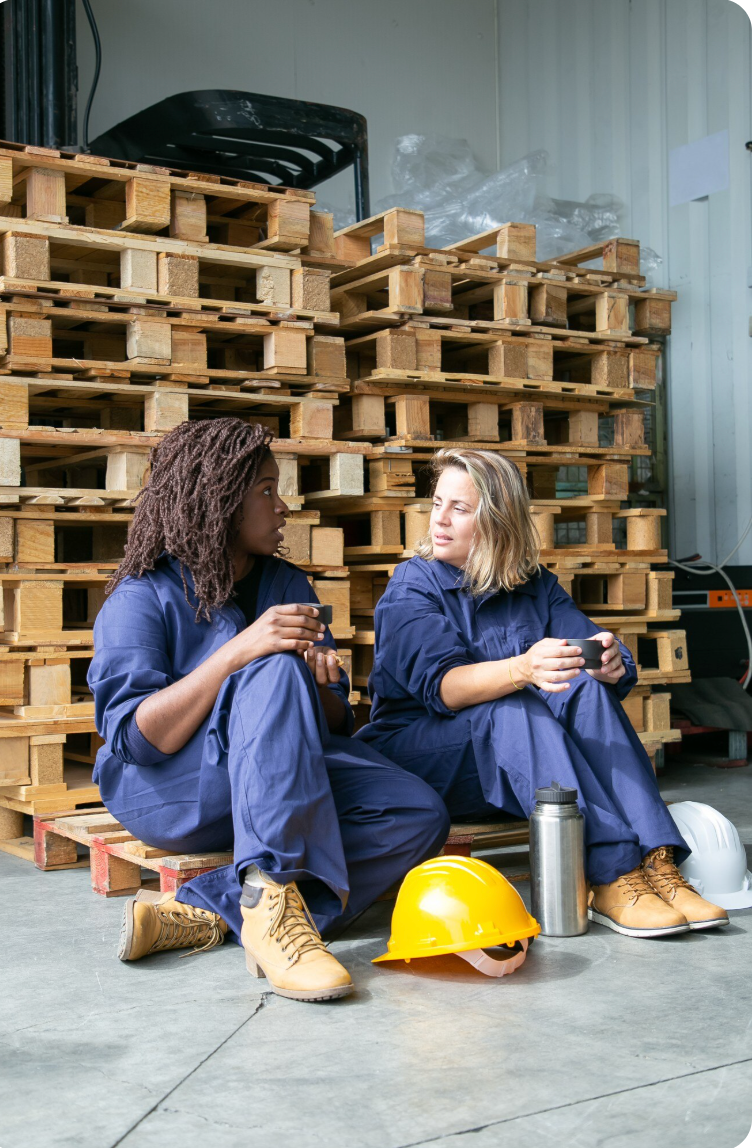
Walk behind any warehouse, retail store, or construction site, and you’ll likely find stacks of wooden pallets waiting to be taken away. While they may seem like simple, disposable items, pallets actually play a crucial role in global logistics—and their lifecycle doesn’t end after a single use.
Understanding what happens to used pallets reveals a surprisingly efficient and environmentally conscious system that supports both businesses and sustainability efforts.
The Hidden Value of Wooden Pallets
Wooden pallets are designed for durability, often carrying heavy goods across long distances. However, not all pallets are built to last forever. Exposure to weather, repeated handling, and heavy loads can weaken their structure over time.
Instead of being discarded, most used pallets enter a recovery and recycling cycle. This process ensures that materials are reused wherever possible, reducing waste and the need for new timber.
The Collection Process
The journey begins with collection. Businesses that accumulate excess or damaged pallets typically arrange for pickup services. Efficient pallet collection systems help prevent clutter, improve safety on-site, and ensure materials are redirected into reuse channels rather than landfills.
For example, services like pallet collection Essex are part of a wider network that gathers used pallets from various industries, including retail, construction, and hospitality.
Sorting and Grading
Once collected, pallets are sorted based on condition and size. This step is essential because not all pallets follow standard dimensions, and their usability varies.
They are generally divided into three categories:
- Reusable pallets: Structurally sound and ready for immediate reuse
- Repairable pallets: Damaged but fixable with minor adjustments
- Non-repairable pallets: Broken beyond repair and suitable for recycling
This classification helps maximise the value extracted from each pallet.
Repair and Refurbishment
One of the most effective ways to extend the life of a pallet is through repair. Skilled workers replace broken boards, reinforce weak joints, and restore pallets to functional condition.
Refurbished pallets are then reintroduced into circulation, often at a lower cost than new ones. This not only benefits businesses financially but also reduces demand for freshly sourced timber.
Recycling into New Materials
Pallets that cannot be repaired are not simply discarded. Instead, they are broken down into raw materials. The wood is typically chipped and repurposed into products such as:
- Biomass fuel
- Animal bedding
- Mulch and landscaping materials
- Particleboard and composite wood
This process ensures that even heavily damaged pallets contribute to a circular economy.
Environmental Impact
Recycling pallets has a significant environmental benefit. By reusing and repurposing wood, fewer trees need to be cut down, and less waste ends up in landfills.
Additionally, reducing the production of new pallets lowers energy consumption and carbon emissions associated with manufacturing and transportation.
In industries where sustainability is becoming increasingly important, pallet recycling is a simple yet effective way to make a positive impact.
Why It Matters for Businesses
For businesses, managing pallet waste efficiently is more than just a logistical concern. It can:
- Improve operational efficiency by freeing up space
- Enhance workplace safety
- Support sustainability goals
- Potentially reduce costs through reuse and resale
As supply chains continue to evolve, responsible pallet management is becoming an essential part of modern business practices.
A System That Works Quietly in the Background
Pallet recycling may not be the most visible part of logistics, but it plays a vital role behind the scenes. From collection and sorting to repair and material recovery, the system ensures that resources are used efficiently at every stage.
Next time you see a stack of used pallets, it’s worth remembering that they’re not waste—they’re part of an ongoing cycle that keeps materials moving, businesses running, and environmental impact in check.