

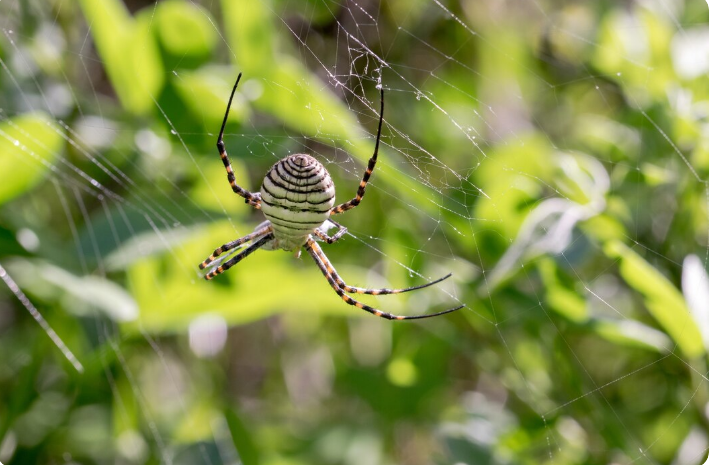
Spiders are among the most misunderstood household pests. While their presence often causes fear or discomfort, they don’t enter homes randomly. In most cases, spiders are following a simple survival instinct — going where food and shelter are available.
Understanding why spiders show up indoors can help reduce their presence more effectively than reacting to each sighting.
Spiders Follow Their Food, Not You
Unlike many pests, spiders are not attracted to food scraps or waste. Instead, they hunt other insects. If spiders are appearing in a home or building, it usually means there is already an existing insect population supporting them.
Common prey includes:
- Flies and mosquitoes
- Ants and small crawling insects
- Moths and beetles
This makes spiders more of an indicator than the root problem. Removing the insects they feed on often reduces spider activity naturally.
Why Spiders Prefer Quiet, Undisturbed Areas
Spiders are not social creatures. They tend to settle in places where there is minimal human activity and a steady chance of catching prey.
Typical indoor locations include:
- Basements and crawl spaces
- Garages and storage rooms
- Corners of ceilings and behind furniture
- Cabinets or rarely used areas
Clutter and low-traffic spaces give spiders the stability they need to build webs or hunt undisturbed.
Seasonal Changes Influence Spider Activity
Spider sightings often increase during certain times of the year, especially late summer and early fall. This is when many species reach maturity and become more visible.
Seasonal behavior includes:
- Moving indoors as temperatures drop
- Increased web-building activity
- Greater visibility due to mating cycles
This seasonal shift can make it seem like an infestation is suddenly occurring, even if spiders have been present for some time.
Not All Spiders Pose the Same Risk
Most household spiders are harmless and prefer to avoid human interaction. However, some species can pose risks if disturbed.
In regions like Washington, certain spiders are more commonly discussed due to their bites. Even so, bites are relatively rare and usually occur only when spiders feel threatened.
Because it’s difficult for most people to identify species accurately, many choose to treat all spider presence as a concern rather than distinguishing between types.
Why Removing Webs Isn’t Enough
A common reaction to spiders is to remove visible webs. While this improves appearance, it doesn’t address the underlying cause.
Spiders will rebuild webs quickly if:
- Food sources (other insects) remain available
- Suitable hiding spots still exist
- Entry points allow continued access
Long-term control depends more on reducing these factors than on repeated cleaning alone.
How Spiders Enter Indoor Spaces
Spiders typically enter buildings through small openings or by hitching a ride on items brought inside.
Common entry points include:
- Gaps around doors and windows
- Cracks in walls or foundations
- Open vents or utility lines
- Bags, boxes, or stored items brought indoors
Because these entry points are often small and unnoticed, spiders can enter without being detected.
Simple Ways to Reduce Spider Activity
Reducing spider presence is often about changing the environment rather than targeting spiders directly.
Practical steps include:
- Minimizing clutter in storage areas
- Sealing gaps and cracks in the structure
- Reducing outdoor lighting that attracts insects
- Keeping surrounding areas clean and well-maintained
- Managing other insect populations indoors
These changes make spaces less attractive to both spiders and their prey.
Looking Beyond the Surface Problem
Spiders are often a symptom of a broader issue — typically the presence of other insects or environmental conditions that support them. Addressing these root causes leads to more effective and lasting results.
For those interested in understanding how spider activity is managed in residential and commercial spaces, this overview of Spider Control provides additional insight into how infestations are approached.
Final Thoughts
Spiders may be unsettling, but they play a specific role in the indoor ecosystem by feeding on other pests. Their presence usually signals that conditions are favorable for insect activity.
By focusing on prevention, reducing attractants, and understanding their behavior, it becomes much easier to keep spider activity under control without relying on short-term fixes.