

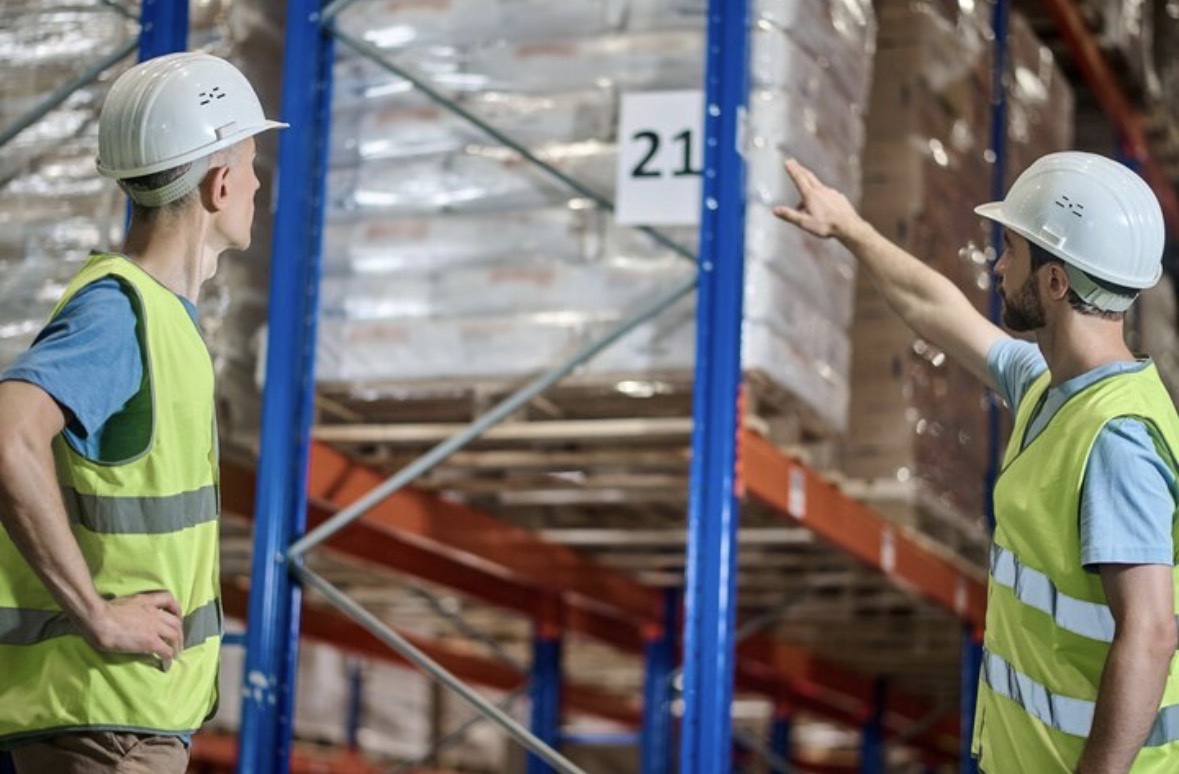
Industrial and logistics facilities in the Netherlands operate within space constrained and highly regulated environments. As supply chains expand and seasonal demand fluctuates, warehouse managers often require flexible storage solutions. The Peak Ceiling Storage Shelter represents a practical approach to extending storage capacity without permanent construction.
These structures support equipment protection, material storage, and workflow continuity. Their role is particularly relevant in logistics hubs where outdoor space must be used efficiently while maintaining safety and accessibility.
Relevance in the Dutch Industrial Context
The Netherlands has a dense network of ports, distribution centers, and industrial parks. Facilities often include outdoor zones for staging goods, storing equipment, or managing overflow inventory. Due to frequent rainfall and changing weather conditions, covered storage is essential.
Peak ceiling storage shelters provide a modular option that can be installed quickly. This allows operators to respond to short term storage needs without interrupting daily operations.
Technical Overview and Use CasesStructural Design and Function
Peak ceiling storage shelters use a straight wall frame combined with a raised roof structure. This design increases internal clearance and allows easier movement of equipment and goods.
Typical applications include:
- Storage of pallets and bulk materials
- Protection of machinery and vehicles
- Temporary staging areas for logistics operations
- Covered workspaces for maintenance activities
Efficiency, Safety, and Productivity
Efficiency in storage management is closely linked to layout and accessibility. Shelters improve productivity by reducing time spent moving goods between indoor and outdoor areas. They also help protect materials from weather related damage, reducing losses and delays.
Clearly defined storage zones contribute to safer operations by organizing traffic flow and reducing clutter.
Technical Considerations and Capabilities
When selecting a peak ceiling storage shelter, several technical aspects should be evaluated:
- Frame strength and material durability
- Cover resistance to rain, wind, and ultraviolet exposure
- Dimensions and internal clearance
- Compatibility with forklifts and loading equipment
- Ease of assembly and relocation
These considerations ensure that the structure meets operational requirements.
Factors Affecting Performance and Safety
Performance depends on proper installation and environmental conditions:
- Ground preparation and anchoring quality
- Exposure to strong winds or heavy rain
- Load distribution within the shelter
- Routine inspection and maintenance
Failure to address these factors may reduce structural stability or operational effectiveness.
Safety Best Practices
Safe use of storage shelters requires clear procedures and regular checks:
- Ensure proper anchoring before use
- Maintain clear entry and exit paths
- Monitor weather conditions and limit use during extreme events
- Train personnel on safe loading and unloading practices
These steps help reduce risks to both personnel and stored materials.
Equipment, Tools, and Accessories
Deployment and operation may involve additional components:
- Anchoring systems for ground stability
- Drive through doors for vehicle access
- Lighting systems for low visibility conditions
- Internal storage racks or pallet supports
Advantages and Limitations
Advantages include:
- Flexible and scalable storage capacity
- Reduced need for permanent construction
- Protection against environmental exposure
Limitations may include:
- Dependence on correct installation
- Limited insulation compared to permanent buildings
- Ongoing maintenance requirements
Example from Logistics Operations
A logistics operator near Amsterdam used peak ceiling storage shelters to manage overflow inventory during peak shipping periods. By placing shelters near loading areas, the facility improved material handling efficiency and reduced congestion inside the warehouse. The solution supported faster turnaround times without major infrastructure changes.
Conclusion and Future Outlook
Peak ceiling storage shelters provide a practical solution for industrial and logistics operations that require flexible and safe storage options. Their ability to support efficient workflows and protect assets makes them valuable in dynamic environments.
Future developments may include improved materials, enhanced structural designs, and integration with digital inventory systems. As logistics operations continue to expand, adaptable storage solutions will remain an important component of facility management.