

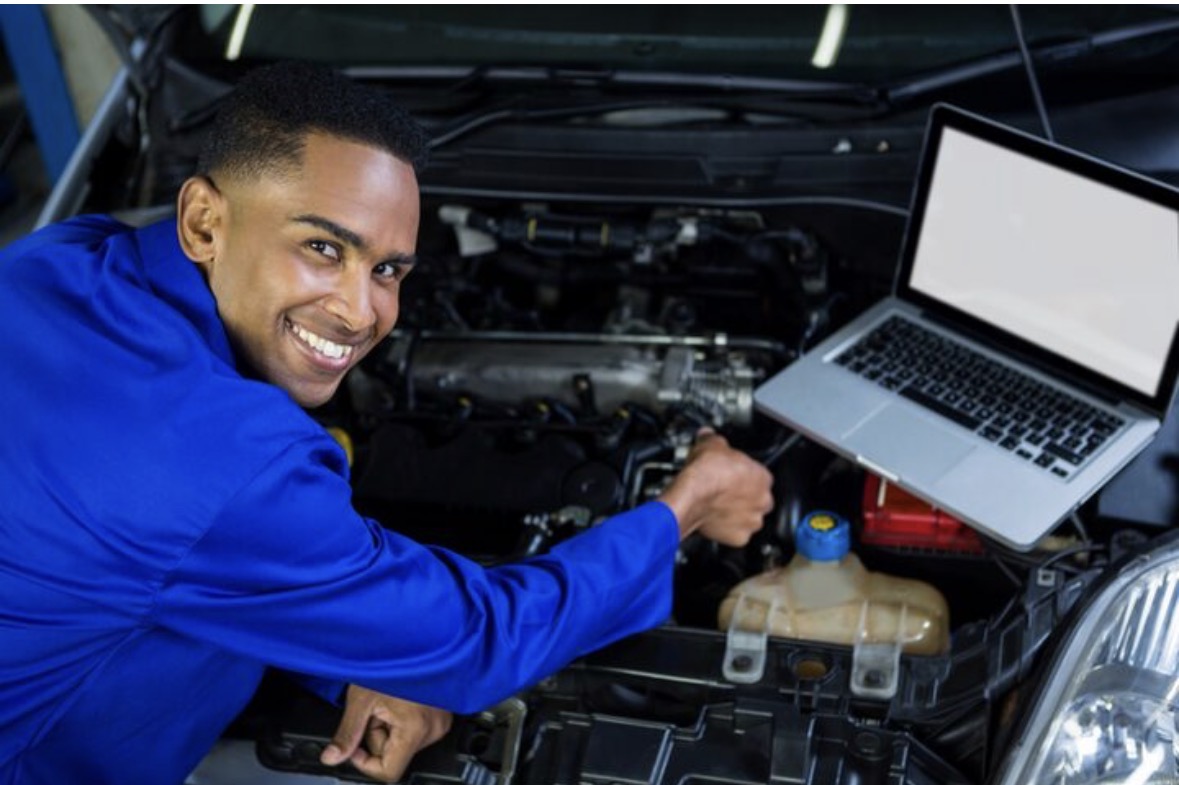
Many vehicle owners expect routine maintenance costs such as oil changes, brake pads, or tire replacements. However, some repairs become surprisingly expensive because of labor requirements, specialized parts, or the complexity of modern automotive systems.
Understanding which repairs commonly lead to large bills can help drivers make smarter decisions about maintenance, budgeting, and long-term vehicle ownership.
Transmission Repairs Can Become Extremely Expensive
Transmission systems are among the most complex components in any vehicle.
Whether automatic or manual, transmissions contain numerous:
- Gears
- Clutches
- Solenoids
- Hydraulic systems
- Electronic controls
Common transmission problems include:
- Slipping gears
- Delayed shifting
- Fluid leaks
- Grinding noises
- Complete transmission failure
Because transmission repairs often require extensive disassembly and labor, costs can rise quickly.
In many cases, replacing or rebuilding a transmission becomes one of the largest expenses a vehicle owner may face.
Engine Repairs Often Involve High Labor Costs
Engines contain hundreds of moving parts operating under intense heat and pressure.
Serious engine repairs may involve:
- Head gasket replacement
- Timing chain repairs
- Piston damage
- Valve train problems
- Oil consumption issues
Even relatively small internal engine problems can require significant labor to access damaged components.
Modern engine compartments are often tightly packed, increasing the time required for repairs.
Air Conditioning Repairs Are More Complex Than Many Expect
Vehicle air conditioning systems rely on pressurized refrigerant systems and multiple interconnected components.
Common AC repairs include:
- Compressor replacement
- Refrigerant leak repairs
- Condenser replacement
- Blower motor issues
- Electrical diagnosis
Because specialized equipment is often required for refrigerant handling and leak detection, repair costs may become surprisingly high.
In some cases, multiple AC components fail together, increasing expenses further.
Electrical Diagnostics Can Take Significant Time
Modern vehicles depend heavily on electronics and computer systems.
Electrical problems involving:
- Wiring damage
- Sensor failures
- Battery drain
- Control module issues
- Communication errors
can be difficult to diagnose accurately.
Technicians may spend hours tracing intermittent electrical faults before the actual repair even begins.
Because labor time adds up quickly, electrical repairs often cost far more than drivers initially expect.
Suspension Repairs Often Involve Multiple Components
Suspension systems contain many interconnected parts responsible for ride comfort and steering stability.
Common suspension repairs include:
- Struts and shocks
- Control arms
- Ball joints
- Tie rods
- Wheel bearings
When one suspension component wears out, nearby parts are often affected as well.
Drivers may initially expect a simple repair but later discover several worn components requiring replacement together.
Cooling System Failures Can Escalate Quickly
Cooling systems help prevent engine overheating during operation.
Problems involving:
- Radiators
- Water pumps
- Thermostats
- Coolant leaks
- Cooling fans
may initially seem minor but can become extremely expensive if overheating damages the engine itself.
A small coolant leak ignored for too long may eventually lead to major engine repairs costing far more than the original issue.
Exhaust and Emissions Repairs Add Up Fast
Modern emissions systems contain expensive components designed to reduce pollution.
Repairs involving:
- Catalytic converters
- Oxygen sensors
- Exhaust manifolds
- EVAP systems
can become costly because of both parts prices and labor complexity.
Catalytic converter replacement is especially expensive because converters contain valuable metals used for emissions control.
Rust Repairs Are Often Labor Intensive
Body and rust repairs frequently cost more than expected because corrosion often spreads beyond visible areas.
Proper rust repair may require:
- Cutting damaged metal
- Welding replacement sections
- Repainting panels
- Replacing corroded hardware
Hidden structural corrosion can significantly increase repair time once technicians begin disassembly.
Older vehicles in snowy climates are especially vulnerable to expensive rust-related repairs.
Luxury and Advanced Technology Increase Costs
Newer vehicles often include advanced systems such as:
- Adaptive cruise control
- Blind-spot monitoring
- Touchscreen electronics
- LED lighting systems
- Driver assistance sensors
While these features improve comfort and safety, repairs involving modern technology can become extremely expensive.
Even minor accidents may require recalibrating cameras, sensors, and electronic systems.
Multiple Small Repairs Can Become Overwhelming
In many aging vehicles, the biggest financial challenge is not always one major repair but several smaller repairs appearing at the same time.
Drivers may suddenly face combined expenses involving:
- Tires
- Suspension wear
- Fluid leaks
- Electrical problems
- Interior deterioration
Individually, each repair may seem manageable. Together, however, the total costs may exceed what many owners expected to spend on the vehicle.
Some Vehicles Eventually Cost More to Maintain Than They’re Worth
At a certain point, repeated repairs may begin outweighing the actual value of the car itself.
When owners face constant maintenance involving:
- Engine wear
- Transmission issues
- Rust damage
- Electrical failures
- Suspension problems
many begin reconsidering whether continued investment remains practical.
This is one reason some drivers eventually consider options such as Cash For Junk Cars when repair costs continue rising faster than the vehicle’s long-term value.
Preventative Maintenance Helps Reduce Major Expenses
Although some repairs become unavoidable with age, regular maintenance still helps reduce the risk of large unexpected costs.
Helpful preventative practices include:
- Addressing warning signs early
- Following fluid service schedules
- Repairing leaks promptly
- Monitoring unusual noises
- Inspecting suspension and brakes regularly
Routine maintenance often prevents smaller problems from developing into much larger repairs later.
Final Thoughts
Some automotive repairs become expensive not only because of parts costs but also because of labor complexity, advanced technology, and interconnected vehicle systems. Understanding which repairs commonly lead to large bills can help drivers better prepare for long-term vehicle ownership and maintenance decisions.