

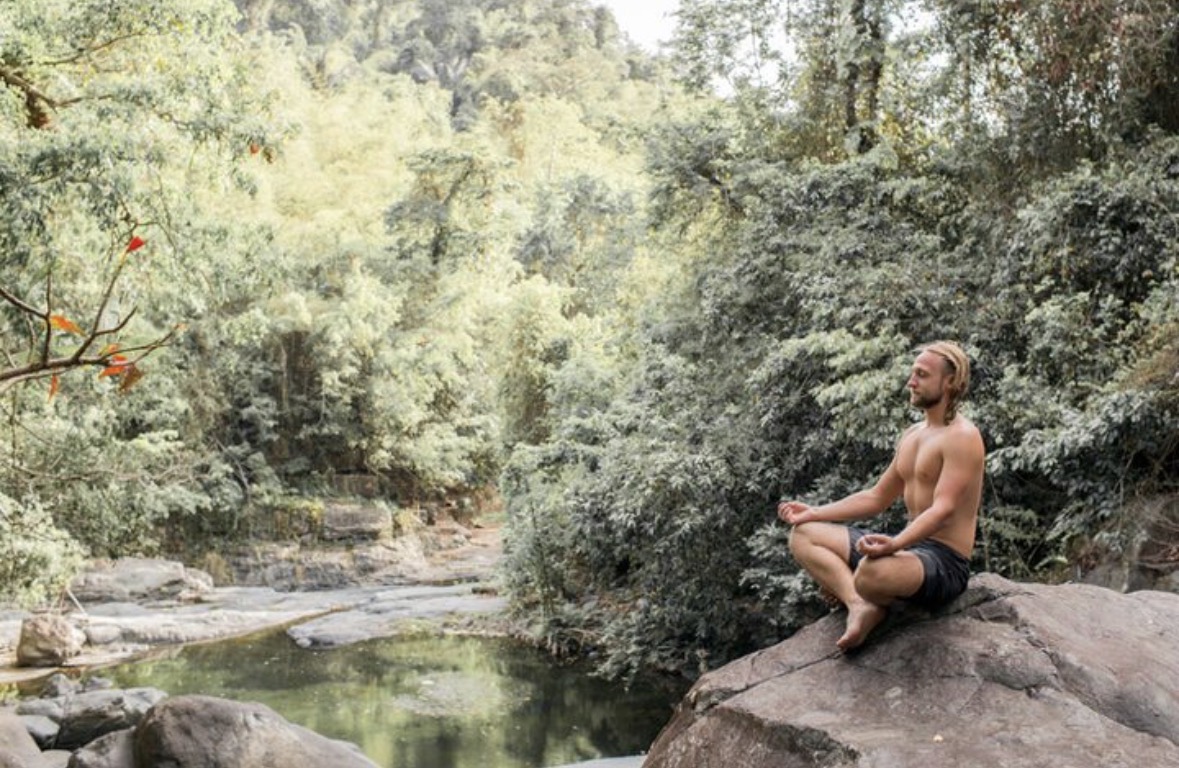
In recent years, ayahuasca retreats have gained worldwide attention as more people seek spiritual healing, emotional clarity, and personal transformation. Originating from the Amazon rainforest, ayahuasca is a traditional plant-based brew used for centuries by Indigenous communities during sacred ceremonies. Today, many retreat centers in countries such as Peru, Brazil, and Costa Rica welcome travelers who wish to experience this ancient practice in a safe and guided environment.
Ayahuasca is made from two primary plants: the Banisteriopsis caapi vine and the Psychotria viridis leaf. When combined, these plants create a powerful psychoactive drink believed to open the mind and deepen spiritual awareness. Participants often describe the experience as intense, emotional, and life-changing. During ceremonies, people may confront unresolved trauma, fears, or painful memories while also gaining insight into their lives and relationships.
A typical ayahuasca retreat lasts from a few days to several weeks. Retreats usually take place in peaceful natural settings, surrounded by forests or mountains, allowing participants to disconnect from modern distractions and focus on inner reflection. Experienced shamans or facilitators guide the ceremonies through chants, music, and traditional rituals designed to support emotional and spiritual healing.
Preparation is considered an essential part of the retreat experience. Participants are often advised to follow a special diet before attending, avoiding alcohol, processed foods, and certain medications. This preparation is believed to help cleanse the body and mind, making the experience more meaningful and reducing potential side effects.
While many people report positive outcomes such as reduced anxiety, emotional healing, and increased self-awareness, ayahuasca is not without risks. The experience can be physically and psychologically demanding. Some participants may experience nausea, vomiting, or emotional distress during ceremonies. Because of its powerful effects, ayahuasca should only be taken under professional supervision and by individuals who have carefully researched the retreat center and its facilitators.
The growing popularity of ayahuasca tourism has also raised ethical and environmental concerns. Some critics argue that commercial retreats may exploit Indigenous traditions or prioritize profit over safety. Others worry about the increasing demand for the plants used to prepare the brew, which can affect local ecosystems. For this reason, responsible tourism and respect for Indigenous cultures are essential when considering an ayahuasca retreat.
Despite the controversies, ayahuasca retreats continue to attract people from around the world who are searching for healing, purpose, or spiritual growth. For many participants, the retreat becomes more than just a travel experience; it becomes a deeply personal journey into the mind and soul. Whether viewed as a sacred medicine or a psychological tool, ayahuasca remains a powerful symbol of humanity’s ongoing quest for understanding and transformation.