

Every garden has pests. The goal of a well-managed food garden is not to eliminate them entirely, which is neither possible nor desirable, but to keep populations below the threshold where they cause meaningful damage. A biodiverse garden with healthy soil and a functioning ecosystem of beneficial insects handles most pest pressure naturally. When intervention is needed, there is a progression of options that begins with the least disruptive and escalates only when necessary.
Build Habitat for Beneficial Insects
Aphids, caterpillars, whiteflies, and many other common garden pests have natural predators that will control them if given the habitat to thrive. Ladybugs, lacewings, parasitic wasps, ground beetles, and hoverflies are among the most valuable allies a food gardener can have. These insects need flowering plants for nectar and pollen as adults, along with undisturbed areas for shelter and overwintering.
Planting a diverse mix of flowers among your vegetables is one of the most effective and beautiful investments you can make. Dill, fennel, yarrow, borage, calendula, and native wildflowers draw and retain populations of beneficial insects that patrol your crops around the clock. Leaving some areas of the garden unmulched or with a brush pile tucked in a corner gives ground beetles and other predators a place to overwinter.
Physical Barriers and Row Covers
Before reaching for any spray, even organic ones, consider physical exclusion. Floating row cover fabric, fine insect netting, and copper tape around container edges are all tools used in serious organic gardening to prevent pest access without any chemical intervention at all. Row covers draped over brassicas from transplanting eliminate the need to deal with cabbage worms entirely if applied before butterflies can lay eggs.
Collars made from cardboard or plastic cups placed around seedling stems at transplanting prevent cutworm damage. Copper tape creates a mild electrical deterrent for slugs and snails. These are simple, inexpensive, and completely non-toxic strategies that can eliminate entire pest categories.
Targeted Organic Sprays
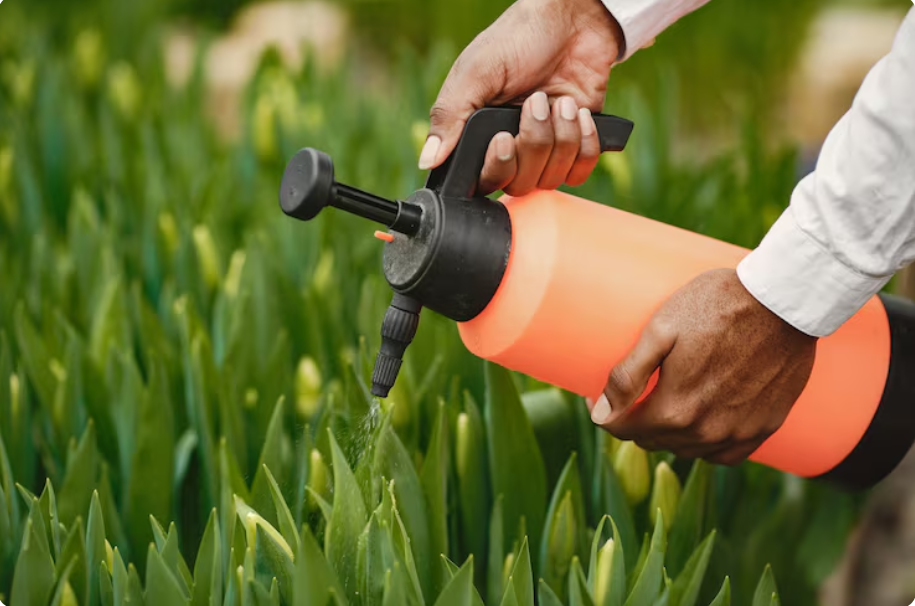
When pest pressure escalates beyond what natural predators and physical barriers can manage, targeted organic interventions are available. Insecticidal soap spray, made from pure potassium fatty acid soap, kills soft-bodied insects on contact without residue. Neem oil, pressed from the seeds of the neem tree, disrupts the life cycle of many common pests and also has antifungal properties. Bacillus thuringiensis, or Bt, is a naturally occurring soil bacterium that kills caterpillars selectively without harming beneficial insects, birds, or mammals.
Apply any spray in the evening to reduce impact on pollinators and to prevent leaf burn from oil-based products in full sun. Always target the undersides of leaves where most pests feed and lay eggs. Spot spray rather than covering entire plants or beds when possible.
Healthy Plants Resist Pests Better
The most overlooked aspect of pest management is plant health itself. Stressed plants, whether from poor soil, inconsistent watering, overcrowding, or wrong-season planting, emit chemical signals that actually attract pest insects. Healthy plants in the right conditions with well-nourished root systems have natural defensive chemistry that makes them significantly less attractive to pests and more resilient when attacked.
This is why soil health, proper spacing, and appropriate variety selection are not separate from pest management but foundational to it. When you grow plants under ideal conditions, you reduce your pest burden before the season even begins.