

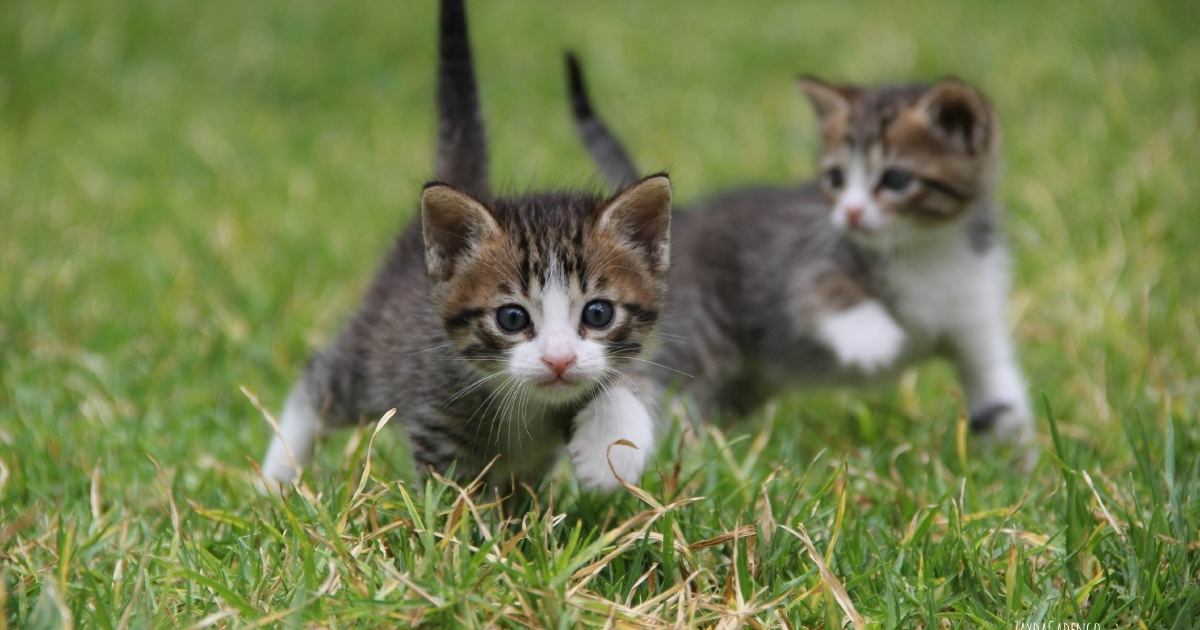
Anyone who has raised a litter of kittens knows how quickly those first few weeks pass. Tiny newborns develop into curious explorers in what feels like a matter of days. While genetics play an important role in a cat’s development, the environment and care provided during the early stages of life can have a lasting impact on health, temperament, and adaptability.
The Importance of Early Socialisation
Kittens begin learning about the world long before they leave for their new homes. Positive exposure to everyday sounds, people, and handling helps build confidence and reduces stress later in life.
Experienced breeders often introduce kittens to normal household activities in a gradual and controlled way. Vacuum cleaners, televisions, visitors, and routine grooming sessions can all become familiar experiences rather than sources of fear. A well-socialised kitten is generally more adaptable when transitioning into a new environment.
Nutrition During the Growth Stage
Good nutrition supports healthy growth, strong bones, and immune system development. Nursing kittens receive vital nutrients from their mother, but the transition to solid food requires careful attention.
High-quality kitten food formulated for growth provides the protein, vitamins, and minerals needed during this demanding stage of development. Fresh water should always be available, and feeding routines should be consistent. Monitoring weight gain can also help identify potential health concerns before they become serious.
Many breeders and cat enthusiasts turn to organisations such as NZ Cat Fancy for information about responsible breeding practices, breed standards, and feline welfare in New Zealand. Access to reliable resources helps ensure that both breeders and owners can make informed decisions about kitten care.
Creating a Safe and Enriching Environment
Kittens are naturally curious. They investigate everything from furniture legs to electrical cords, often without understanding the risks involved. Creating a secure environment allows them to explore safely while supporting healthy mental development.
Simple enrichment tools can make a significant difference. Climbing structures, scratching surfaces, interactive toys, and safe hiding spots encourage natural feline behaviours. Rotating toys periodically also helps maintain interest and prevents boredom.
Environmental enrichment is especially valuable for developing confidence. Kittens exposed to a variety of positive experiences often become more resilient adults who cope better with change and new situations.
Preparing for the Move to a New Home
The transition from breeder to owner is one of the most significant events in a kitten’s life. Careful preparation helps make this change as smooth as possible.
Providing detailed information about feeding schedules, favourite toys, health records, and established routines gives new owners a strong foundation. Familiar scents, such as a blanket from the kitten’s original environment, can also offer comfort during the adjustment period.
Open communication between breeders and owners benefits everyone involved, especially the kitten. Questions about behaviour, nutrition, or health often arise after the move, and ongoing support can help ensure a successful start.
Responsible breeding involves much more than producing healthy kittens. It includes thoughtful socialisation, proper nutrition, environmental enrichment, and careful preparation for life in a new home. These early investments can shape a cat’s wellbeing for many years, creating confident companions that thrive in a variety of households across New Zealand.