

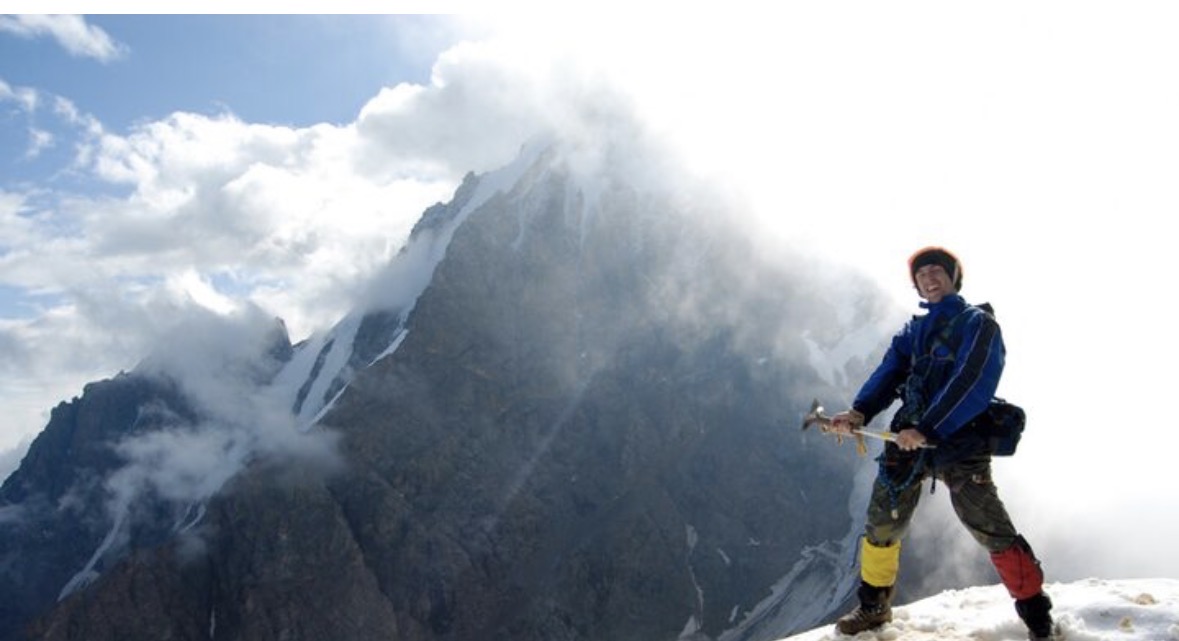
K2, the second-highest mountain, also known as “The Savage Mountain,” isconsidered the ultimate climbing challenge. Standing at 8,611 meters, the mountain possesses significant challenges to the climbers. Climbing K2 requires immense motivation, physical and mental strength, and endurance with technical skills to navigate difficult sections. The mountain gives no place for mistakes. Despite challenges, many experienced climbers regard it as significantly more difficult than Everest.
Success on K2 depends heavily on preparation. Physical fitness alone is not enough; climbers must develop technical skills, mental resilience, and extensive high-altitude experience before attempting this legendary peak.
Build a Strong Mountaineering Foundation
Before climbing K2, climbers must have significant experience on technical alpine routes and multiple high-altitude expeditions. You must have previous experience of climbing several peaks above 6000 m and 7000 m. The experience of climbing technical peaks like Ama Dablam, Manaslu, Annapurna IV, and many other peaks helps to navigate similar sections in K2.
In addition to previous experience, the additional training includes proficiency in fixed-rope climbing, glacier travel, crevasse rescue, ice climbing, and mixed-terrain movement, which can increase summit success rate. Every climber should be comfortable operating independently in extreme mountain environments.
Develop Elite Physical Fitness
The mountain requires exceptional endurance and strength. Climbers must be trained for 12 to 18 months before the expedition. The training should focus on or include:
- Cardiovascular endurance training
- Long-distance hiking with heavy packs
- Strength and conditioning programs
- Altitude-specific preparation
- Flexibility and mobility exercises
Climbers often spend 10 to 14 hours moving on steep terrain during summit pushes, making endurance one of the most critical factors for success.
Understand the Risks
The risk of K2 is higher in comparison to Everest and other 8 thousanders. It possesses risks by demanding extreme strength and harsh climatic or weather conditions. Its remote location in the Gilgit-Baltistan region makes the mountain difficult to access and conduct quick rescue operations. K2 is known as Savage Mountain, as the mountain tries to kill you at every step. The fatality ratio of the mountain is 1:4, meaning 1 death in 4 climbs on an average. The key hazard possessed by K2 involves the following:
- Risk of sudden Avalanches
- Hazard of rockfall
- Extreme weather challenges
- Technical climbing requirements
- Risk of high-altitude sickness
- Limited rescue operation due to remote location
- Bottlenecks in summit due to steep terrain and exposure to hanging seracs
Invest in Quality Equipment
Equipment reliability becomes a matter of safety at extreme altitude. A compromise in equipment selection and its quality means you are exposing yourself to the vulnerable environment of K2. You require investment in gear such as the following:
- High-altitude mountaineering boots
- Down suits
- Technical climbing hardware
- Oxygen systems (if used)
- High-performance sleeping systems
- Communication devices
Testing equipment on previous expeditions is highly recommended before arriving at K2 Base Camp.
Mental Preparation Matters
Physical strength may get climbers to the mountain, but mental resilience often determines who reaches the summit. K2 expeditions can last two months or longer, and climbers face isolation, harsh weather delays, exhaustion, and uncertainty. The ability to remain composed and focused and make sound decisions under pressure is important.
Mental conditioning should include exposure to difficult environments, stress management techniques, and realistic expectations about expedition outcomes.
Choose the Right Expedition Team
The most important preparation decision one must take when choosing a K2 expedition is selecting an experienced expedition operator. A professional team provides logistical support, safety planning, weather monitoring, route management, and emergency coordination.
Experienced guides and Sherpa support significantly improve efficiency and decision-making throughout the expedition. Climbers should carefully evaluate an operator’s safety record, leadership experience, and success on major Himalayan peaks.
The Road to K2 Starts Long Before Pakistan
A K2 expedition is not a goal that can be achieved overnight. It represents years of climbing progression, training, and personal development. For aspiring K2 climbers, the Himalayas provide the perfect training ground. Mountains such as Himlung Himal, Manaslu, and other technical expedition peaks allow climbers to gain valuable experience while building confidence for future 8,000-meter objectives.
NAMAS Adventure specializes in Himalayan expeditions designed to help mountaineers develop the skills and altitude experience needed for larger objectives. Whether you’re preparing for your first 7,000-meter peak or building toward K2, the right progression can make all the difference