Roku has become one of the most recognizable names in home entertainment, yet many viewers still wonder exactly what it is and how it delivers the streaming experience they enjoy daily. At its core, Roku is both a company and a platform that makes it simple and affordable to watch internet-delivered television on a regular TV screen. Unlike smart TVs from Samsung or LG that bundle their own operating systems, or devices from Amazon and Google that prioritize their ecosystems, Roku focuses on neutrality, ease of use, and broad content access. This approach has helped it claim a significant share of the streaming device market and influence how millions of households consume television.
The Origins and Evolution of a Streaming Pioneer
Roku was founded in 2002 by Anthony Wood, an entrepreneur with prior experience in digital video recorders. The company’s initial goal was to create a device dedicated solely to streaming Netflix, which at the time was primarily known for DVD rentals. The first Roku player launched in 2008 as a small box that connected to a television and delivered Netflix content over a home internet connection. This timing proved prescient: broadband adoption was accelerating, and consumers were beginning to explore alternatives to traditional cable packages.
Over the next decade and a half, Roku expanded its vision from a single-service device to a comprehensive streaming platform. It introduced new hardware form factors, built its own operating system, and opened its platform to thousands of content providers. Today Roku offers everything from inexpensive streaming sticks to premium soundbars and even licenses its software to television manufacturers, allowing brands like TCL, Hisense, and Element to produce affordable Roku-powered smart TVs.H
Hardware Options That Fit Different Needs
Roku’s product lineup is designed to meet a wide range of budgets and technical requirements. The simplest option is a compact streaming stick that plugs directly into an HDMI port and draws power from a USB connection or wall adapter. Higher-tier models include standalone boxes with Ethernet ports for more stable wired connections, enhanced processors for 4K and HDR playback, and advanced audio features like Dolby Atmos passthrough.
Roku also collaborates with television manufacturers to integrate its operating system directly into the TV hardware. These Roku TVs eliminate the need for an external device while maintaining the same interface and feature set. The result is a consistent experience whether a viewer uses a dedicated Roku player or a Roku-powered television set. This flexibility has made Roku particularly popular in price-sensitive segments of the market, where consumers seek high-quality streaming without paying premium prices.
The Roku Operating System: Simple Yet Powerful
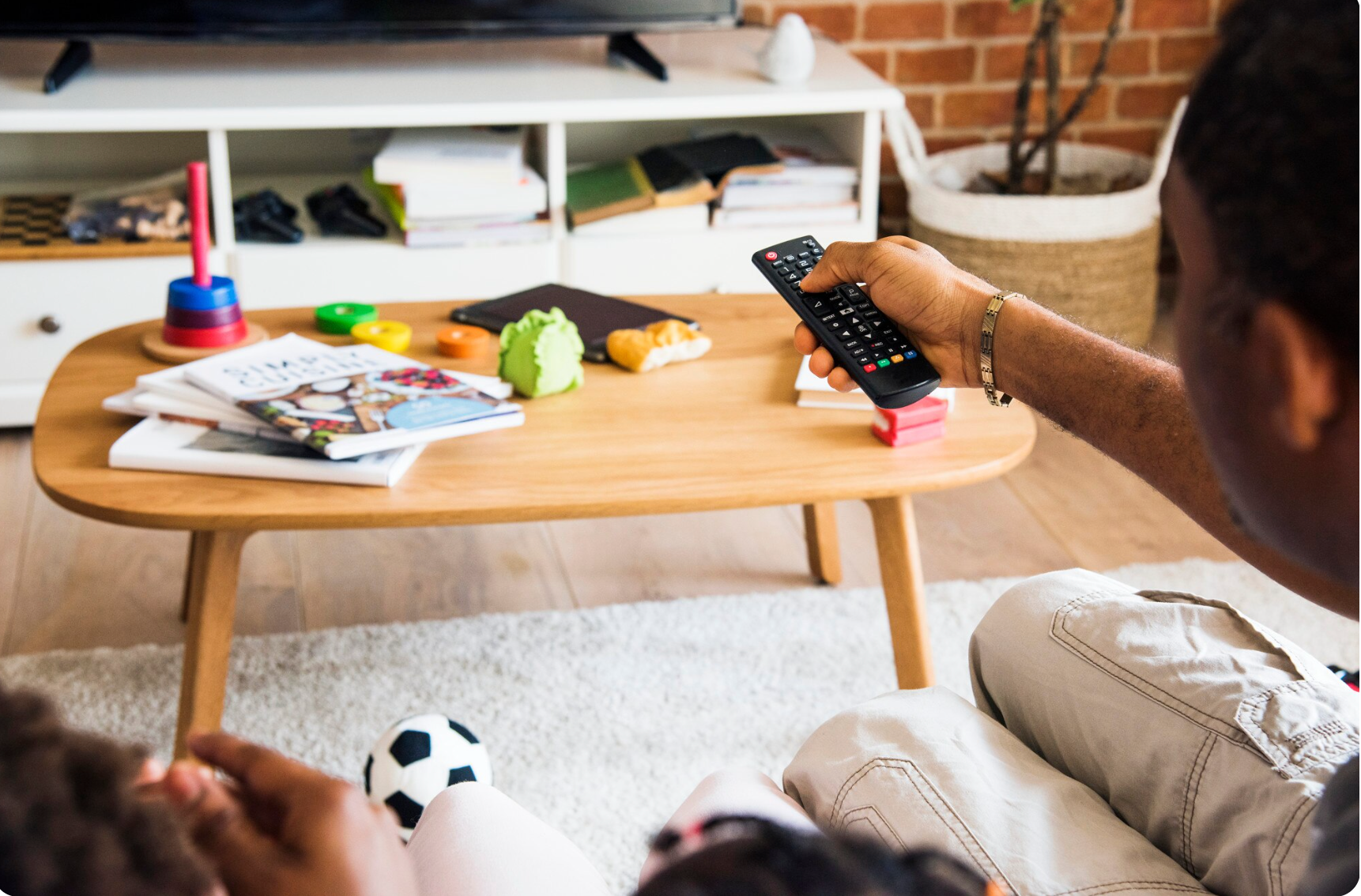
The heart of the Roku experience is its proprietary operating system, known simply as Roku OS. Regularly updated, the software prioritizes speed, clarity, and intuitive navigation. Upon powering on a Roku device, users are greeted with a home screen featuring large, colorful tiles for installed channels and recommended content. A universal search function allows viewers to type or speak a movie title, actor name, or topic and see availability across multiple services simultaneously, often highlighting free options first.
Roku OS supports virtually every major streaming service—Netflix, Disney+, Hulu, Amazon Prime Video, Apple TV+, YouTube, and hundreds more—along with niche and international channels. The platform’s neutrality means no single service receives preferential placement based on corporate relationships, a deliberate contrast to competitors that promote their own content libraries more aggressively. Regular software updates introduce new features, improve performance, and add support for emerging video and audio standards.
Content Delivery and the Channel Ecosystem
Roku refers to individual streaming services as “channels,” a nod to traditional television terminology that underscores its goal of replacing cable boxes. Developers can publish channels through the Roku Channel Store, which now contains over ten thousand options ranging from global broadcasters to small independent creators. This open approach encourages diversity of content and rapid innovation.
A key component of Roku’s own content strategy is The Roku Channel, a free, ad-supported service that aggregates movies, TV shows, live news, and original programming. By offering high-quality content at no subscription cost, The Roku Channel attracts viewers who might otherwise rely solely on paid services, while also providing Roku with a direct advertising revenue stream.
How Roku Generates Revenue in the Streaming Economy
While consumers purchase Roku hardware at retail, the company’s primary business model centers on platform economics rather than device sales. Roku earns money through several interconnected channels:
- Advertising displayed on the home screen, within The Roku Channel, and across third-party channels that opt into Roku’s ad network.
- Revenue sharing with content providers when users subscribe to services through the Roku platform.
- Promotional placements and featured content slots purchased by streaming services seeking greater visibility.
This model aligns Roku’s interests with both viewers and content providers: the more time people spend watching on Roku devices, the more opportunities exist for targeted, non-intrusive advertising and new subscriptions.
Roku’s Contribution to the Cord-Cutting Movement
By offering an affordable, user-friendly alternative to cable and satellite subscriptions, Roku has played a significant role in the shift toward internet-based television. Households can assemble their own customized bundles of streaming services—often at lower total cost than traditional pay-TV packages—while retaining the familiar experience of channel surfing and on-demand viewing. Features like live TV guides that integrate both antenna broadcast channels and streaming sources further bridge the gap between old and new television paradigms.
Challenges and Competitive Dynamics
Roku operates in a highly competitive landscape alongside Amazon Fire TV, Google TV/Android TV, and Apple TV. Each platform brings distinct strengths: Amazon integrates tightly with Prime services, Google emphasizes search and voice control, and Apple prioritizes premium build quality and ecosystem cohesion. Roku differentiates itself through neutrality, aggressive pricing of hardware partners’ TVs, and a relentless focus on simplicity.
Regulatory scrutiny of advertising practices and data privacy, along with the ongoing consolidation among streaming services, presents ongoing challenges. Nevertheless, Roku’s installed base continues to grow, particularly in markets where consumers seek straightforward, cost-effective streaming solutions.
The Ongoing Influence of Roku on Television Viewing
More than a decade and a half after its debut, Roku remains a central force in how people access and experience television content delivered over the internet. Its combination of accessible hardware, neutral software platform, and sophisticated yet unobtrusive monetization has helped democratize streaming, making high-quality entertainment available to a broad audience without requiring expensive equipment or complex setup. As viewing habits continue to evolve and new technologies emerge, Roku’s emphasis on simplicity and openness positions it to remain a key player in the future of television.